EN
EN
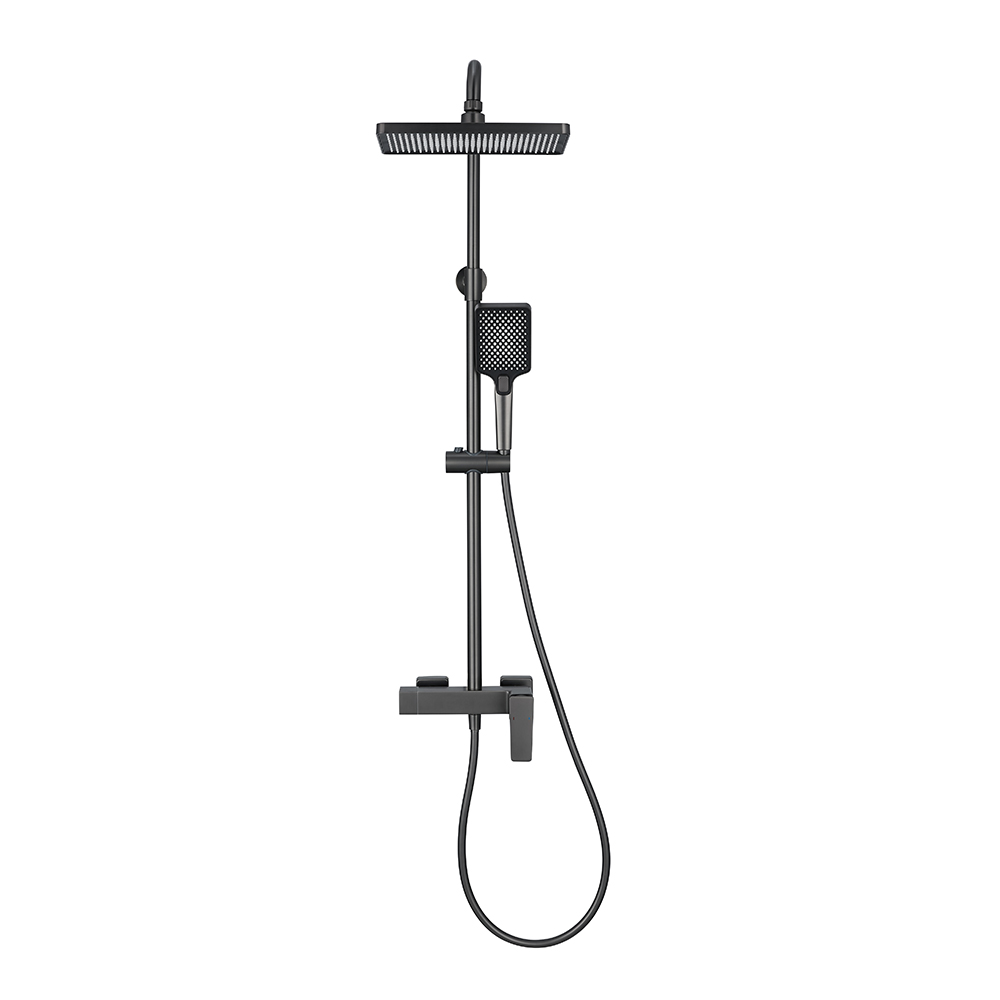
The production of high-end shower systems represents a sophisticated blend of engineering precision, material science, and craftsmanship. Every luxury shower begins with meticulous planning and advanced manufacturing techniques that ensure durability, aesthetic appeal, and superior performance. Understanding how premium shower units are manufactured reveals the complexity behind what appears to be a simple fixture. The journey from raw materials to a finished shower installation involves multiple specialized processes, quality checkpoints, and skilled labor. High-end shower manufacturers employ cutting-edge technology alongside traditional craftsmanship to deliver shower solutions that exceed industry standards and customer expectations.
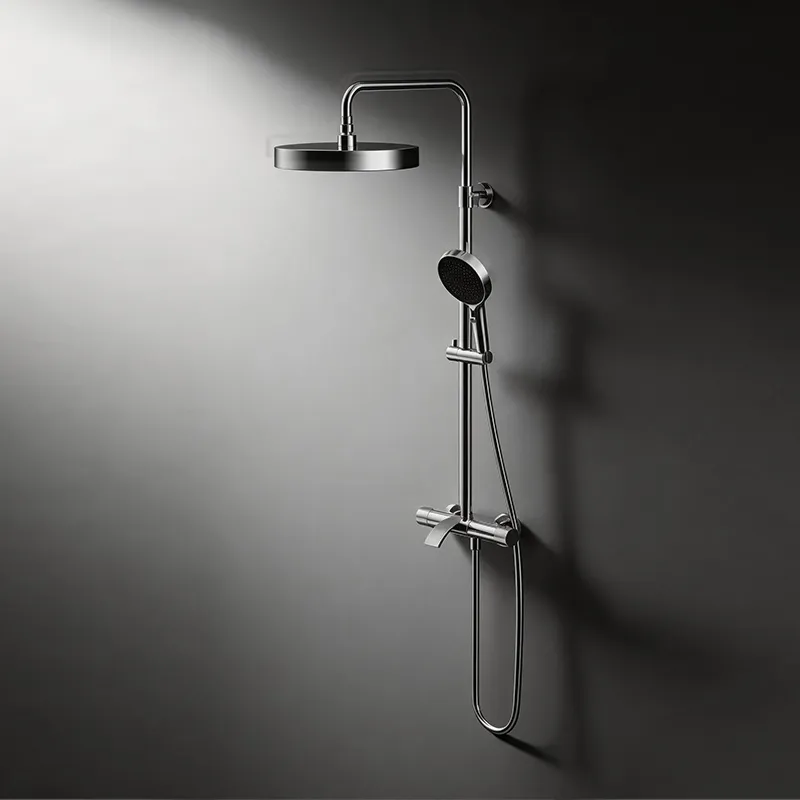
Manufacturing a shower at the highest quality levels demands expertise across multiple disciplines. Premium shower production requires specialized equipment, stringent material sourcing, and comprehensive testing protocols. Each component of a luxury shower—from the valve assembly to the rainfall head—undergoes individual verification before integration. The shower manufacturing industry has evolved significantly, with modern facilities incorporating automation, computer-aided design, and advanced metrology. Understanding these processes helps customers appreciate the value proposition of high-end shower products and make informed purchasing decisions about their bathroom investments.
Material Selection and Preparation for Premium Shower Components
Raw Material Sourcing and Quality Standards
The foundation of any high-end shower begins with premium material selection. Manufacturers of luxury shower units source brass, stainless steel, and specialized alloys from certified suppliers who meet rigorous international standards. For shower valve bodies, marine-grade brass is commonly selected due to its corrosion resistance and workability. The shower industry recognizes that material quality directly impacts longevity and aesthetic retention. Incoming material for shower production undergoes comprehensive testing including chemical composition analysis, hardness verification, and dimensional accuracy checks. This rigorous vetting ensures that every shower component meets specifications before entering the manufacturing floor.
Surface Treatment and Finishing Preparation
Before a shower unit takes shape, raw materials must be prepared through surface conditioning. Manufacturers clean and inspect all shower-destined materials to remove impurities and oxidation. Some shower manufacturers employ shot peening or pickling processes to prepare surfaces for subsequent operations. The preparation phase for a shower installation is critical because surface defects can compromise both function and appearance. High-end shower production facilities maintain controlled environments to prevent contamination during this preparatory stage. This attention to material preparation ensures that the final shower product exhibits flawless finishes and reliable performance throughout its service life.
Precision Machining and Assembly Processes
CNC Machining and Component Fabrication
Advanced computer numerical control technology forms the backbone of modern shower manufacturing. CNC machines shape shower valve bodies, mixing chambers, and outlet components to exacting tolerances measured in fractions of a millimeter. For a shower valve assembly, precision machining ensures proper flow characteristics and consistent water temperature control. Luxury shower manufacturers typically employ multi-axis CNC centers that can complete complex features in single setups, reducing secondary operations. The shower manufacturing process relies heavily on CAD-designed programs that optimize tool paths and minimize material waste. Quality assurance technicians verify shower component dimensions using coordinate measurement machines to guarantee that assembled shower units function flawlessly.
Internal Passageway Engineering and Testing
The internal architecture of a premium shower valve determines water flow patterns and temperature stability. Manufacturers use advanced machining to create precisely engineered shower pathways that balance flow rates between hot and cold water streams. For luxury shower systems, the valve body features intricate channels that enable precise temperature regulation and emergency anti-scald protection. Manufacturers conduct flow testing on every shower valve to confirm that water distribution meets specifications. These shower-specific internal designs are often proprietary, representing years of research and development. The complexity of shower valve internals explains why premium shower solutions command higher prices than standard alternatives.
Final Assembly, Coating, and Quality Assurance
Coating Systems and Surface Finishing for Shower Units
Once individual shower components are machined and inspected, they enter the finishing department. High-end shower manufacturers apply multi-layer coating systems that provide both aesthetic appeal and long-term corrosion protection. Electroplating processes deposit chrome, brushed gold, or matte finishes onto shower brass bodies. Advanced shower manufacturers use PVD (physical vapor deposition) technology to achieve durable, uniform finishes on shower fixtures. The coating process for a shower unit must withstand humid bathroom environments without peeling, discoloration, or degradation. Quality shower coatings maintain their appearance for decades, protecting the underlying shower metal from moisture penetration and ensuring that your shower fixture looks as beautiful in year ten as it did on installation day.
Final Assembly and Pressure Testing
Assembly of a complete shower system brings together dozens of precisely manufactured components. Skilled technicians assemble shower valve bodies with cartridges, springs, seals, and outlet attachments using calibrated torque tools to ensure proper fit without over-tightening. Each shower assembly undergoes rigorous pressure testing at pressures exceeding normal operating conditions to verify integrity and identify potential leaks. Manufacturers test shower units across temperature ranges to ensure that materials expand and contract uniformly without creating stress points. Functional testing confirms that a shower temperature control responds accurately across its full range and that safety features engage properly. Only after completing these comprehensive tests does a shower product receive final packaging and shipment to customers.
FAQ
What materials are typically used in luxury shower manufacturing?
Premium shower units commonly incorporate marine-grade brass for valve bodies, stainless steel for internal components, and specialized alloys for springs and seals. Shower manufacturers select materials based on corrosion resistance, machinability, and aesthetic properties. High-end shower fixtures often feature chrome, brushed gold, or matte finishes applied through electroplating or PVD coating processes. The choice of materials significantly impacts both the durability and appearance of a shower system throughout its operational lifespan.
How do manufacturers ensure shower quality and reliability?
Quality assurance in shower production involves multiple inspection stages from raw material verification through final assembly. Manufacturers employ coordinate measurement machines to verify component dimensions, pressure-test every shower valve, and conduct functional testing across temperature ranges. High-end shower producers maintain ISO certifications and follow international building codes. Comprehensive testing protocols ensure that each shower meets performance standards and safety requirements before reaching customers.
What makes high-end shower production different from standard manufacturing?
Premium shower manufacturers invest in advanced CNC technology, employ skilled technicians, and implement stricter quality control standards than standard shower producers. High-end shower design emphasizes precision engineering for consistent water temperature control and enhanced durability. Luxury shower manufacturers often develop proprietary valve designs and apply premium coating systems that provide superior corrosion resistance. These investments in technology, expertise, and materials create shower products that deliver superior performance and aesthetic appeal.