EN

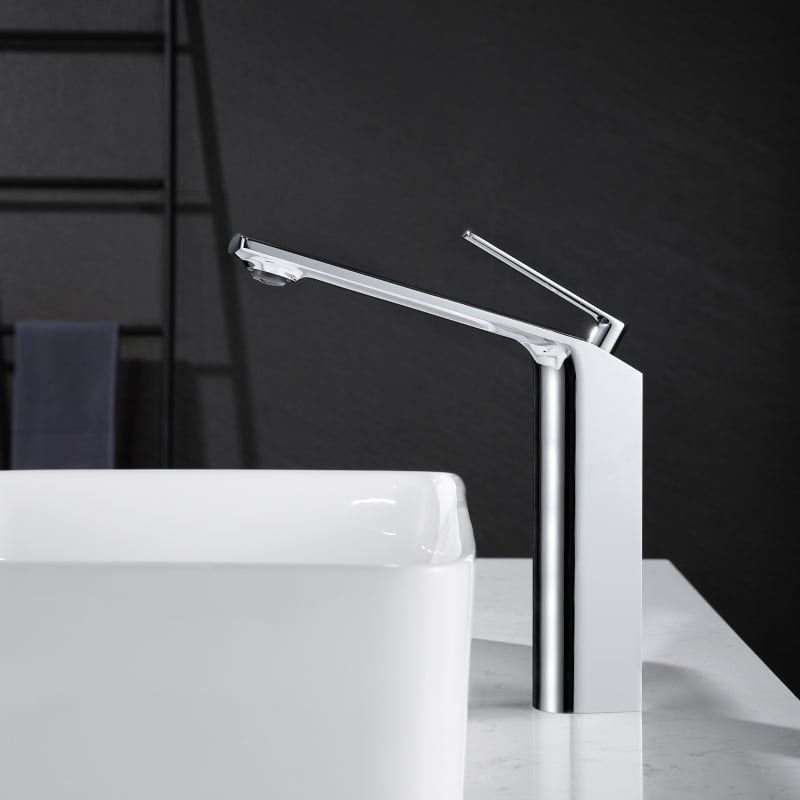 Wholesalers who source basin mixer products face a complex decision landscape. Every basin mixer you select directly impacts your profit margins, customer satisfaction, and brand reputation. The sourcing process requires evaluating multiple dimensions simultaneously—from material specifications and manufacturing standards to design appeal and long-term supplier relationships. Understanding what to prioritize when evaluating basin mixer options ensures you stock products that meet market demand, maintain competitive pricing, and deliver lasting value to your retail partners.

The wholesale basin mixer market demands careful assessment of supplier capabilities, product consistency, and technical performance. When you evaluate a basin mixer product, you must look beyond surface-level specifications. Your evaluation framework should encompass material durability, water flow performance, installation compatibility, aesthetic versatility, and compliance with industry standards. This comprehensive approach to sourcing basin mixer solutions protects your business interests and ensures your customers receive reliable, high-quality products that perform well in residential and commercial installations.
Material Quality and Durability Assessment
Brass Composition and Corrosion Resistance
The foundation of any quality basin mixer lies in its material composition. Brass remains the preferred material for basin mixer construction because it offers superior corrosion resistance, durability, and machinability compared to alternatives. When evaluating a basin mixer made from brass, verify the brass grade and alloy composition. Premium basin mixer products typically use brass alloys with appropriate zinc content to prevent dezincification and ensure longevity in hard water environments. Request material certifications and test reports from potential suppliers before committing to large orders of basin mixer stock.
Surface Treatment and Finish Protection
The finish applied to your basin mixer directly affects its aesthetic appeal and protection against corrosion and wear. Chrome plating remains the most common finish for basin mixer products, offering a polished look and protective barrier. However, the quality of chrome plating varies significantly across manufacturers. When assessing a basin mixer, evaluate the plating thickness—typically measured in microns—and verify whether the supplier applies multiple coating layers. A well-executed basin mixer finish will resist tarnishing, water spots, and fingerprints while maintaining visual appeal over years of use. Test the basin mixer finish under simulated daily-use conditions to confirm durability expectations.
Technical Performance and Installation Compatibility
Water Flow Rate and Pressure Performance
Functional performance distinguishes a reliable basin mixer from an inferior alternative. Water flow rate, measured in gallons per minute (GPM) or liters per minute (LPM), directly affects user satisfaction and water efficiency. Quality basin mixer products deliver consistent flow rates across temperature settings while maintaining adequate pressure for comfortable washing. Test the basin mixer under varied water pressure conditions to confirm stable performance in different installation environments. Additionally, examine whether your basin mixer includes aerators or flow restrictors that meet local water conservation standards. This attention to technical specifications ensures your basin mixer appeals to environmentally conscious retailers and end-users alike.
Installation Footprint and Mounting Compatibility
Installation compatibility determines whether your basin mixer fits the diverse plumbing infrastructures of your retail customers. Evaluate whether the basin mixer requires single-hole or multiple-hole deck-mounted installation, as this affects its market applicability. Verify that your basin mixer includes necessary mounting hardware, supply line connections, and installation documentation. Different regions and building codes impose varying requirements for basin mixer installation spacing and connection types. When sourcing basin mixer products, confirm that the mixer accommodates both hot and cold water feeds and includes integrated shut-off valves or installation points for them. A basin mixer with flexible installation options expands your addressable market and reduces customer compatibility concerns.
Design Appeal and Market Positioning
Aesthetic Versatility Across Interior Styles
Design represents a critical differentiator when wholesalers evaluate basin mixer options for their retail partners. A basin mixer must appeal to diverse customer preferences—from minimalist modern aesthetics to traditional bathroom designs. Examine whether your basin mixer features proportions, handle style, and spout geometry that work across multiple interior contexts. Chrome finishes typically offer broader compatibility, though other finishes like brushed nickel or matte black increasingly appeal to contemporary design segments. When assessing a basin mixer for wholesale potential, consider its ability to blend seamlessly into various bathroom fixtures and décor themes. Products with timeless design profiles remain saleable longer and attract broader customer bases than trend-dependent designs.
Spout Reach and Functional Design Details
The spout design of your basin mixer significantly impacts functional user experience and customer satisfaction. Evaluate spout reach—the distance from the base to the water outlet—to ensure the basin mixer provides comfortable access to the basin without splashing or awkward reach angles. Modern basin mixer designs increasingly feature adjustable or swiveling spouts that enhance versatility and functionality. Examine the handle mechanism, including lever action smoothness, handle height for comfortable grip, and any anti-scalding features that protect users from sudden temperature shifts. These design details transform a basic basin mixer into a premium product that justifies higher retail pricing and generates positive customer reviews. When sourcing basin mixer inventory, prioritize products that demonstrate thoughtful engineering beyond minimum compliance standards.
Supplier Reliability and Quality Assurance
Certifications, Compliance, and Testing Standards
Supplier credibility determines whether your basin mixer investment protects your wholesale business. Require suppliers to provide certificates of compliance with relevant standards—whether ISO certifications, water quality certifications, or regional building codes. When evaluating a basin mixer from a prospective supplier, request documentation showing that products undergo rigorous testing for water safety, pressure resistance, and temperature stability. Third-party testing reports add credibility and reduce your liability exposure. Many regions require basin mixer products to meet specific standards for lead content, flow rates, and materials safety. Confirming compliance before purchasing basin mixer inventory prevents costly recalls, customer disputes, and regulatory complications. Trustworthy suppliers readily provide detailed technical documentation and test results as standard practice.
Consistent Quality and Supply Chain Transparency
Long-term wholesale success depends on consistent product quality across every basin mixer shipment. Evaluate supplier quality control practices, manufacturing process documentation, and defect rates on existing products. Request samples from multiple production batches before committing to volume orders of basin mixer stock. Site visits to manufacturing facilities provide direct visibility into production standards and quality management systems. A reliable basin mixer supplier maintains detailed production records, implements statistical process controls, and investigates any quality deviations systematically. When you source basin mixer products, establish clear quality agreements that specify acceptable defect rates, surface finish standards, and performance tolerances. Consistent suppliers reduce warranty claims, returns, and customer dissatisfaction—critical factors that protect your wholesale margins and reputation.
FAQ
What certification standards should basin mixer products meet?
Basin mixer products should comply with relevant water safety and building standards specific to your market region. Common standards include ISO certifications for material and safety requirements, NSF certification for drinking water safety, and local plumbing codes. Some regions require basin mixer products to meet WaterSense standards for water conservation. Before sourcing basin mixer inventory, research the specific certifications your retailers and end-customers expect. Suppliers should provide documentation proving that each basin mixer model meets applicable standards. Requesting third-party test reports adds an additional layer of assurance when evaluating a basin mixer supplier's credibility and commitment to quality.
How do I evaluate basin mixer performance before placing a large order?
Request sample units from potential suppliers and test the basin mixer across multiple conditions—varying water pressures, temperatures, and usage patterns. Flow rate consistency, temperature stability, and handle operation smoothness should all perform reliably. Install sample units in test installations to observe real-world performance over several weeks. Additionally, solicit feedback from experienced retailers who may have existing relationships with suppliers. When evaluating a basin mixer, examine the quality of included accessories, instruction manuals, and warranty documentation. Many wholesalers negotiate trial orders before committing to full inventory purchases, allowing thorough basin mixer performance validation before financial commitment.
What factors impact the wholesale cost of basin mixer products?
Brass quality, chrome plating thickness, design complexity, and manufacturing location significantly influence basin mixer pricing in the wholesale market. Premium brass composition and multi-layer plating increase production costs but extend product longevity. Design features like swivel spouts or integrated aerators add manufacturing complexity and cost to the basin mixer. Order volume affects pricing substantially—larger commitments typically yield better per-unit costs on basin mixer products. Supplier geographic location and labor costs influence pricing, though not necessarily quality. When sourcing basin mixer inventory, balance cost considerations against quality requirements and customer expectations. The lowest-cost basin mixer may generate warranty claims and negative reviews that ultimately cost more than slightly higher-priced, reliable alternatives.