EN
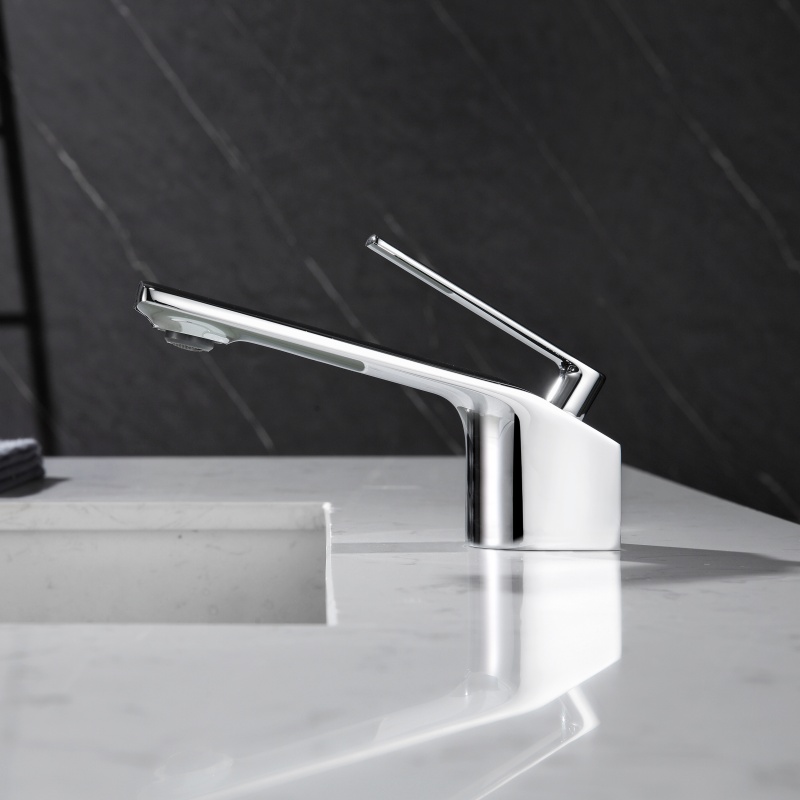
The performance of a basin mixer in your bathroom depends on multiple interrelated factors that work together to deliver reliable water flow, temperature control, and durability. Understanding these factors helps you select the right basin mixer for your needs and maintain it effectively over time. A basin mixer's ability to function smoothly in daily use is influenced by water pressure, internal valve construction, material composition, aerator design, installation quality, and maintenance practices. Each of these elements plays a critical role in determining how well your basin mixer performs under regular household conditions.
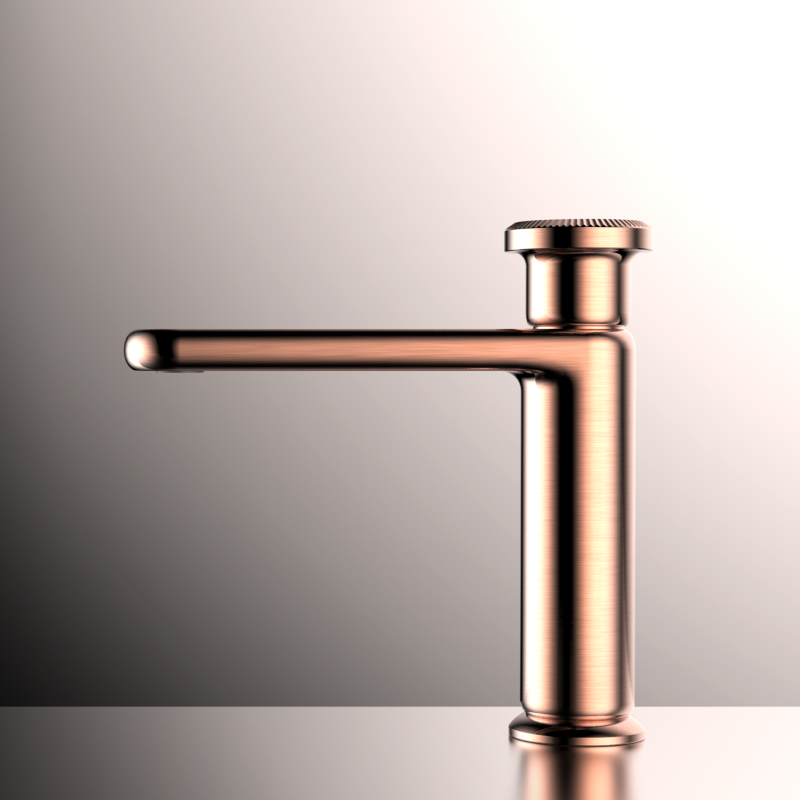
When evaluating basin mixer performance, it is essential to recognize that not all factors carry equal weight in every installation scenario. Water pressure variations, for instance, can dramatically affect how a basin mixer responds to handle adjustment, while material durability determines whether the basin mixer maintains consistent performance over years of use. By examining each performance factor methodically, you can make informed decisions about which basin mixer specifications best suit your household water conditions and usage patterns.
Water Pressure and Supply System Dynamics
Understanding Minimum and Maximum Pressure Requirements
Every basin mixer is designed to operate within a specific pressure range, typically between 0.5 and 5 bars for residential applications. Low water pressure can prevent a basin mixer from reaching optimal flow rates, causing weak streams and frustration during daily washing tasks. Conversely, excessively high pressure can overwhelm a basin mixer's internal components, leading to valve damage, leaks, and accelerated wear. The basin mixer's cartridge or valve mechanism must be compatible with your home's water pressure to ensure smooth operation and longevity.
Pressure Fluctuations and Valve Response
Water pressure in residential systems fluctuates throughout the day based on neighborhood demand, municipal supply variations, and seasonal changes. A well-engineered basin mixer incorporates pressure-balancing technology to compensate for these fluctuations, maintaining consistent temperature and flow regardless of external pressure changes. Lower-quality basin mixer designs lack this stabilizing mechanism, resulting in sudden temperature spikes or pressure surges that compromise user comfort and safety. Testing a basin mixer's performance across different times of day reveals whether its internal components effectively manage pressure variance in your specific water supply.
Material Quality and Construction Standards
Brass, Stainless Steel, and Alloy Durability
The material composition of a basin mixer directly influences its resistance to corrosion, mineral buildup, and mechanical failure. Solid brass construction remains the industry standard for high-performance basin mixer applications because brass resists both corrosion from water minerals and oxidation from exposure to humidity and temperature swings. Cheaper basin mixer alternatives utilizing pot metal or low-grade alloys deteriorate rapidly, developing leaks and losing their finish within months. The basin mixer body, spout, and handle materials must all meet consistent quality standards to ensure uniform durability across all components.
Surface Coatings and Finish Integrity
Chrome, nickel, and PVD coatings protect a basin mixer's underlying metal from tarnishing and corrosion while contributing to aesthetic appeal. A superior basin mixer features multiple plating layers that withstand daily contact with water droplets, soap residue, and cleaning products without peeling or discoloring. Inferior coatings on budget basin mixer models flake away within one or two years, exposing raw metal underneath and accelerating corrosion. The finish quality of a basin mixer is often an accurate indicator of the overall craftsmanship and material standards employed in its manufacturing.
Valve Technology and Temperature Control Precision
Ceramic Disc Cartridges and Single-Lever Mechanisms
Modern basin mixer designs use ceramic disc cartridges that provide precise temperature and volume control through smooth, reliable operation. Ceramic discs in a basin mixer create a better seal than older rubber washers, reducing internal friction and extending component lifespan significantly. Single-lever basin mixer handles connected to these ceramic cartridges allow users to adjust both water volume and temperature with one intuitive motion, improving usability in daily routines. The responsiveness and smoothness of a basin mixer's handle action directly correlates with the quality of its internal valve mechanism and cartridge engineering.
Balancing Spools and Thermostatic Features
Advanced basin mixer models incorporate balancing spools that automatically equalize hot and cold water pressure, preventing scalding temperature shifts when other fixtures in the home are used simultaneously. Thermostatic basin mixer variants maintain a preset temperature, reducing the need for constant handle adjustment and enhancing safety for households with children or elderly residents. These sophisticated mechanisms in a quality basin mixer require higher manufacturing precision and tighter tolerances than basic models, contributing to superior performance and user experience. Understanding whether a basin mixer includes these safety and convenience features helps determine its suitability for different household needs.
Aerator Design and Flow Rate Optimization
Water Conservation Through Aerator Technology
The aerator at the end of a basin mixer's spout mixes air with water to create a coherent stream while reducing overall water consumption. A well-designed basin mixer aerator maintains satisfying flow rates while meeting water efficiency standards, balancing environmental responsibility with practical performance. Inferior aerator designs in budget basin mixer models create turbulent, uncomfortable streams that force users to increase flow rates, negating water-saving benefits. Sediment and mineral deposits accumulate in aerators over time, requiring periodic cleaning to maintain the basin mixer's performance and flow characteristics.
Sediment Filtration and Maintenance Accessibility
Quality basin mixer aerators include integrated screens that filter sediment and debris before water reaches the outlet, protecting the basin mixer's internal components from damage. Easy removal and cleaning of aerator screens is essential for long-term basin mixer performance, particularly in areas with hard water or aging municipal supply pipes. A basin mixer with accessible aerator maintenance design allows homeowners to perform simple cleaning tasks themselves, reducing the need for professional service and extending the fixture's operational life. Regular aerator inspection is a fundamental maintenance task that preserves basin mixer functionality and prevents performance degradation caused by mineral accumulation.
FAQ
What water pressure range is ideal for basin mixer operation?
Most residential basin mixer models operate optimally between 1 and 3 bars of water pressure. If your home's pressure falls outside this range, consult a plumber about pressure regulation solutions to ensure your basin mixer performs reliably. Pressure regulators can be installed to bring supply pressure into the basin mixer's recommended operating window, preventing performance issues and component damage.
How often should I clean a basin mixer aerator?
Cleaning a basin mixer aerator quarterly is recommended in most households, though harder water areas may require more frequent maintenance. Simply unscrew the aerator from the spout end of your basin mixer, rinse it under running water, and use a soft brush to remove mineral deposits and sediment. Regular aerator cleaning keeps your basin mixer flowing smoothly and prevents pressure reduction caused by accumulated debris.
Can I upgrade an existing basin mixer's valve cartridge?
Many basin mixer models allow cartridge replacement if the valve eventually fails, extending the fixture's lifespan significantly. Before purchasing a replacement cartridge, verify that it matches your specific basin mixer model, as compatibility varies across different manufacturers and product lines. Professional plumbers can guide you through cartridge selection and installation if you prefer expert assistance with maintaining your basin mixer's performance.