EN
EN
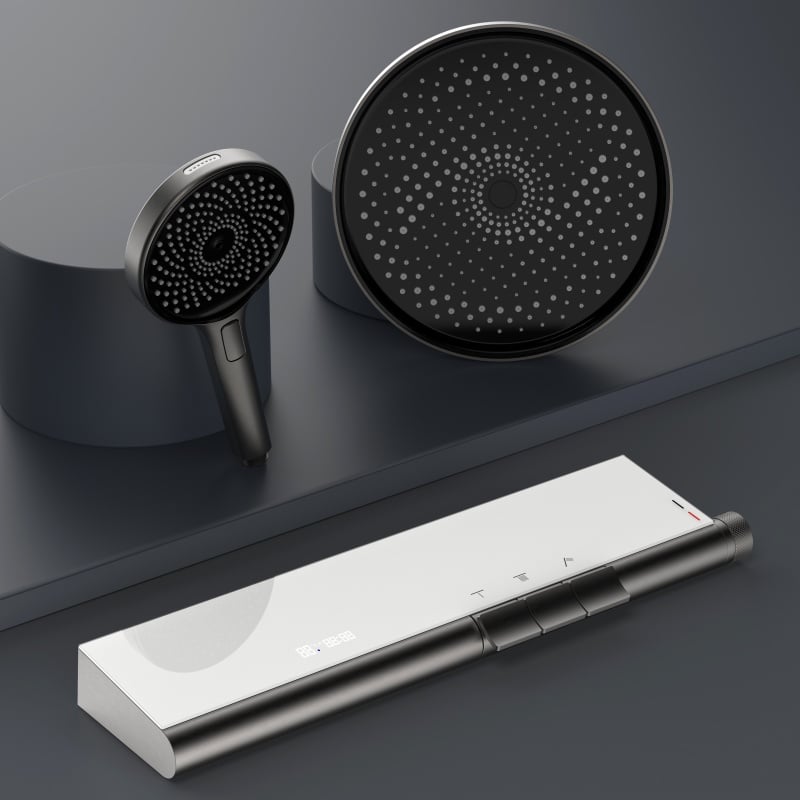
A concealed shower has become one of the most sought-after features in modern bathroom design, particularly in spaces where minimalism defines the overall aesthetic. By hiding the pipework, valves, and fixtures behind the wall, a concealed shower delivers a seamless, uncluttered look that open plumbing simply cannot match. For homeowners and designers who value clean lines and purposeful simplicity, the concealed shower represents more than a plumbing choice — it is a design statement that transforms how a bathroom feels and functions.
Understanding why the concealed shower suits minimalist bathrooms so well requires looking at both visual and practical advantages. A concealed shower reduces visual noise, supports spatial efficiency, and aligns perfectly with the core principle of minimalism: every element must serve a purpose without adding clutter. Whether you are renovating a compact urban bathroom or designing a high-end spa-inspired retreat, a concealed shower offers benefits that go far beyond aesthetics alone.
Visual Clarity and Aesthetic Harmony
The Clean-Wall Effect of a Concealed Shower
The most immediate advantage of a concealed shower in a minimalist bathroom is the dramatic visual clarity it creates. When pipework and valve bodies are hidden behind the wall, only a slim trim plate and a shower head remain visible. This 'clean-wall effect' allows the tile work, stone surfaces, and spatial proportions of the bathroom to become the focal point rather than the hardware. A concealed shower essentially disappears into the architecture, which is exactly what minimalist design demands.
In a minimalist bathroom, every exposed fixture competes for visual attention. A concealed shower eliminates this competition entirely. The result is a bathroom that feels more spacious, more intentional, and more luxurious. Designers frequently recommend the concealed shower as the single most impactful upgrade when transitioning a conventional bathroom into a minimalist space.
Material and Finish Consistency
A concealed shower also supports material consistency throughout the bathroom. Because the bulk of the system is hidden, only the exposed trim components — typically available in matte black, brushed gold, chrome, or brushed nickel — need to coordinate with other fixtures. This makes it far easier to maintain a unified finish palette across the entire room. With a concealed shower, the design language stays coherent without requiring a complex matching exercise across multiple visible components.
Spatial Efficiency and Functional Benefits
How a Concealed Shower Maximises Compact Spaces
Minimalist bathrooms are frequently compact spaces where every centimetre matters. A concealed shower is ideally suited to these environments because it projects very little into the usable shower area. Unlike exposed thermostatic systems with protruding valve bodies and multiple pipe sections, a concealed shower sits flush against or within the wall. This means the showering zone feels larger and more comfortable even when the overall room dimensions have not changed.
The spatial efficiency of a concealed shower is especially valuable in wet-room designs and walk-in shower configurations. When there are no protruding pipes or bulky valve assemblies to navigate around, movement within the shower becomes more natural and intuitive. The concealed shower effectively gives back usable space without requiring any structural expansion, making it a practical solution for urban apartments and smaller residential bathrooms alike.
Ease of Cleaning and Maintenance Surfaces
A concealed shower also simplifies the cleaning routine in a minimalist bathroom. Because the pipes and internal components are hidden behind the wall, there are far fewer exposed surfaces where limescale, soap residue, and moisture can accumulate. The visible trim plates of a concealed shower are smooth and minimal, making them far quicker to wipe down than an exposed valve body with multiple junctions, joints, and pipe runs. For those who value a consistently clean bathroom environment, the concealed shower delivers a tangible maintenance advantage.
Long-Term Design and Investment Value
Durability and the Timeless Appeal of a Concealed Shower
Minimalist design is valued in part because it ages well. Trends in bathroom fixtures can shift quickly, but the concealed shower has demonstrated consistent relevance across design generations. Because the concealed shower presents so little visual surface area, it does not become dated in the same way that heavily styled exposed systems can. The trim plate and head of a concealed shower remain current as long as the finish is maintained, making it a long-term investment rather than a style-dependent purchase.
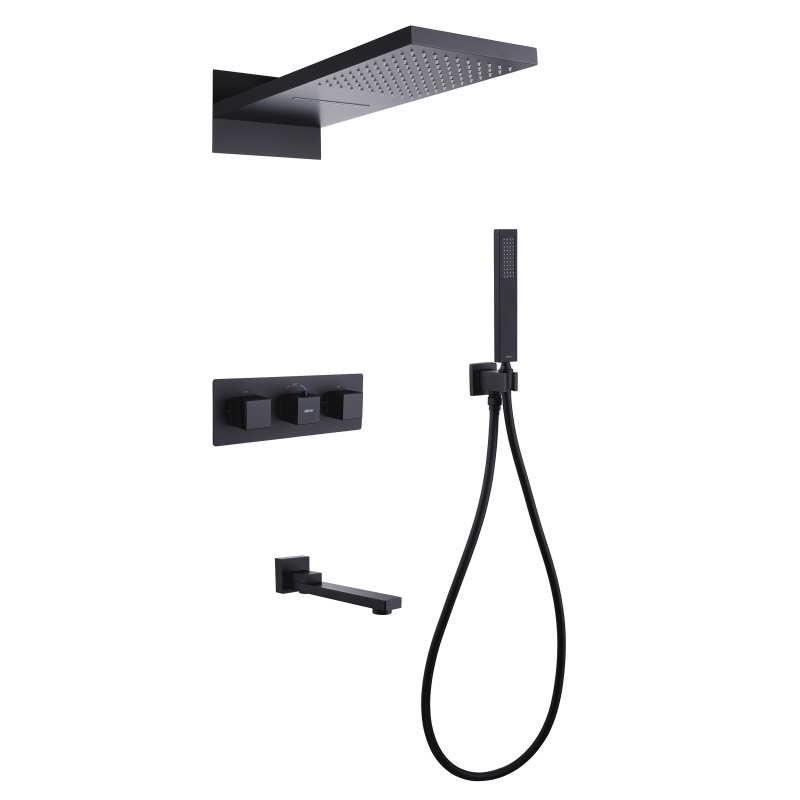
Brass-bodied concealed shower systems, such as those built for durability and precise water control, are particularly well suited to long-term use. The internal cartridges and thermostatic elements of a quality concealed shower are protected from surface wear and environmental exposure, which means they tend to maintain performance reliability over many years. This durability adds genuine value to the investment when considered alongside the aesthetic benefits.
Property Value and Design Perception
A concealed shower also contributes positively to the perceived value of a property. In real estate contexts, bathroom quality is one of the most consistently noticed factors by prospective buyers. A bathroom featuring a concealed shower signals thoughtful design intent and a higher standard of specification. For homeowners who view renovation as an investment, choosing a concealed shower in a minimalist bathroom context is a decision that tends to return value at the point of sale or lease.
Interior designers and property developers increasingly specify the concealed shower as a standard feature in premium residential projects precisely because it elevates perceived quality without demanding a larger footprint. The concealed shower allows a modest bathroom to present with a level of refinement that would otherwise require far greater investment in space or material alone.
FAQ
Is a concealed shower more difficult to install than an exposed system?
A concealed shower does require more planning during installation because the pipework must be routed inside the wall cavity before tiling begins. This makes it essential to specify the concealed shower early in a renovation project. However, once installed, a concealed shower is no more complex to operate or service than a standard system, and many designs include accessible service panels for maintenance.
Can a concealed shower work in a bathroom that is already tiled?
Retrofitting a concealed shower into an existing tiled bathroom is possible but typically requires opening the wall to install the concealed body and pipework. For this reason, a concealed shower installation is most cost-effective when planned as part of a broader renovation. If the wall is accessible from an adjacent room or service void, the disruption can be significantly reduced.
What water pressure is needed for a concealed shower to function properly?
Most concealed shower systems are designed to work with standard domestic water pressure, typically between 1.0 and 3.0 bar. Thermostatic concealed shower models often include a pressure-balancing function that maintains consistent water temperature even when other outlets are used simultaneously. If your home has low water pressure, a pump can be added to support the concealed shower system without affecting its concealed design profile.