EN
EN
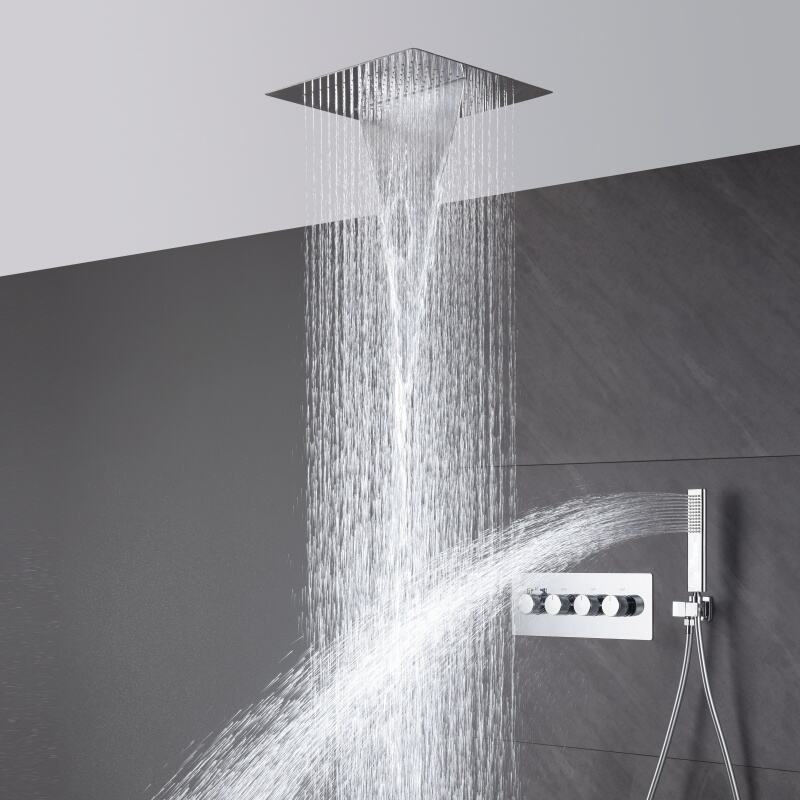
A concealed shower does far more than simply hide pipework behind a wall. It fundamentally changes how a bathroom feels, how space is used, and how design language flows from one surface to the next. Whether you are renovating a compact urban bathroom or designing a spacious master suite, the concealed shower offers a structural and aesthetic solution that surface-mounted systems simply cannot match. Understanding exactly how a concealed shower achieves these improvements helps homeowners, interior designers, and specifiers make more confident decisions.
The concealed shower system works by embedding the valve body, pipework, and supply connections inside the wall cavity, leaving only the trim plate and control interface visible on the surface. This approach eliminates the bulk of traditional exposed fittings and creates a minimal, architectural finish. The concealed shower has become a defining feature of contemporary bathroom design, valued not only for its visual impact but also for its practical contribution to spatial efficiency. This article explores how the concealed shower improves space utilization and elevates overall bathroom design across three key dimensions.
How a Concealed Shower Maximizes Usable Space
Eliminating Surface Clutter with a Concealed Shower
One of the most immediate benefits of a concealed shower is the removal of exposed pipes, bulky valve bodies, and surface-mounted brackets from the visible bathroom environment. In a standard bathroom, these elements occupy real physical space and create visual noise that makes the room feel smaller and more cluttered. A concealed shower moves all of this infrastructure into the wall, freeing up the shower zone and the surrounding area for more purposeful use. The result is a cleaner, more open feel that makes even a modest bathroom appear significantly larger.
The concealed shower also eliminates the dead zones that often form around exposed fixtures. Corners and edges near traditional shower valves tend to accumulate soap residue and become difficult to clean. With a concealed shower, the wall surface is smooth and continuous, making maintenance far easier and reducing the effort required to keep the space hygienic. This practical advantage compounds the spatial benefit by ensuring the usable area of the shower enclosure remains fully accessible and unobstructed.
Concealed Shower Integration in Compact Bathrooms
In smaller bathrooms, every centimeter of floor and wall space matters. A concealed shower is particularly valuable in these settings because it allows the shower zone to be defined without consuming additional volume. Unlike a surface-mounted system that projects outward from the wall, a concealed shower sits flush with the tile surface, preserving the full depth of the shower enclosure. This can make a meaningful difference in how comfortably the space is used, especially in narrow wet rooms or shower-over-bath configurations. Architects and interior designers frequently specify a concealed shower in compact layouts precisely because it delivers function without sacrificing footprint.
The Design Advantages of a Concealed Shower
Creating a Unified Visual Surface
The concealed shower enables a level of visual cohesion that exposed systems cannot achieve. When the valve and pipework are hidden behind the wall, the tile or stone cladding can run continuously across the entire shower enclosure without interruption. This unbroken surface creates a sense of luxury and deliberate design intent that immediately elevates the aesthetic quality of the space. The concealed shower trim plate, typically available in finishes such as brushed gold, chrome, or matte black, becomes a considered design detail rather than a functional intrusion.
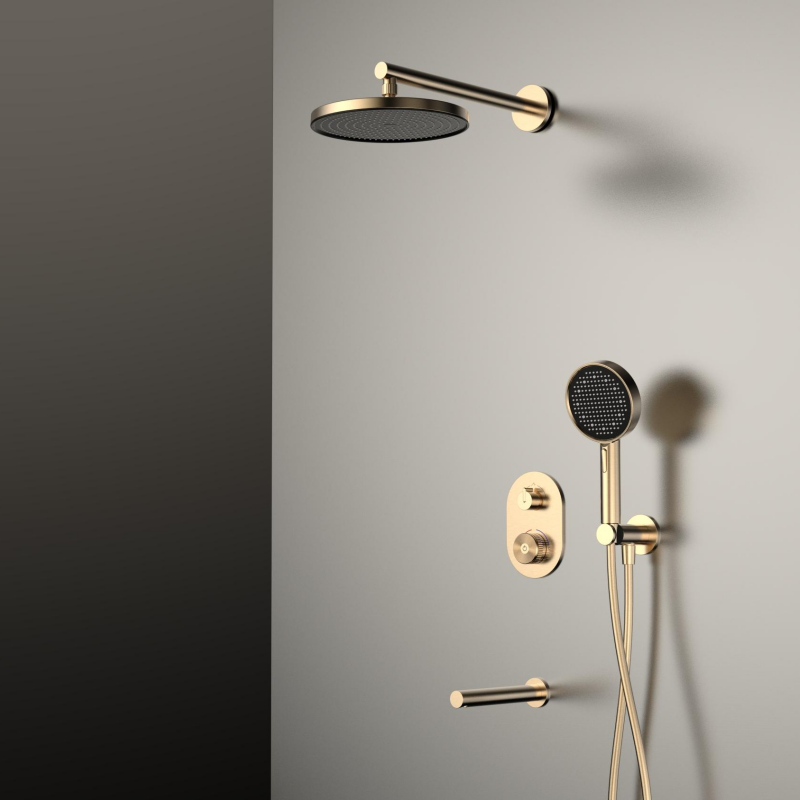
Interior designers working on high-end residential and hospitality projects consistently choose the concealed shower because it supports a minimalist or spa-inspired design language. The concealed shower allows the material palette of the bathroom to take center stage, whether that is large-format marble, textured porcelain, or polished stone. When the hardware is recessed and understated, the architecture of the room becomes the dominant visual statement. This is why the concealed shower is a standard specification in premium bathroom design briefs worldwide.
Flexible Outlet Configuration with a Concealed Shower
A concealed shower valve supports multiple outlet configurations from a single installation point. Depending on the valve specification, a concealed shower can simultaneously control a rainfall overhead head, a handheld spray, a body jet panel, or a waterfall wall outlet. This flexibility means the concealed shower delivers a fully customized experience without multiplying the number of visible controls or surface fixtures. The user interacts with a single trim interface, while the concealed shower valve manages the distribution of water flow internally. This approach reinforces both the spatial efficiency and the design clarity of the installation.
Long-Term Value of Choosing a Concealed Shower
Durability and Maintenance of a Concealed Shower
A well-specified concealed shower valve, particularly one constructed from solid brass with ceramic disc cartridges, offers exceptional longevity. Because the internal components of the concealed shower are protected within the wall cavity, they are shielded from the daily wear, humidity cycling, and limescale buildup that affect exposed fittings. The trim components of the concealed shower remain easy to access for servicing, while the valve body itself requires minimal attention over its operational life. This makes the concealed shower a cost-effective long-term investment rather than simply an aesthetic upgrade.
Increasing Property Value with a Concealed Shower
Bathrooms are among the most scrutinized rooms during property valuations and purchase decisions. A concealed shower installation signals quality, thoughtful design, and a commitment to premium finishes. Real estate professionals and interior consultants frequently note that a concealed shower, especially when paired with a rainfall head and high-quality wall finish, adds measurable perceived value to a property. The concealed shower transforms a functional bathroom into a designed environment, which resonates strongly with buyers in both residential and short-term rental markets. Specifying a concealed shower is therefore both a lifestyle and a financial decision.
FAQ
Is a concealed shower suitable for retrofitting into an existing bathroom?
A concealed shower can be retrofitted, but it requires access to the wall cavity for valve installation. This typically means opening up the wall surface, installing the concealed shower body, and retiling. The process is more involved than replacing an exposed fitting, but the spatial and aesthetic results of a concealed shower justify the investment for most bathroom renovations.
What wall types are compatible with a concealed shower installation?
A concealed shower can be installed into solid masonry walls, timber stud frames, and metal stud partition systems, provided there is sufficient depth in the wall cavity to house the valve body. The recommended cavity depth for most concealed shower valves is between 65 mm and 100 mm. Always confirm the specific depth requirement of your chosen concealed shower valve before beginning construction.
How do I choose the right finish for a concealed shower trim plate?
The concealed shower trim plate finish should coordinate with the other metal elements in the bathroom, including towel rails, tap handles, and accessory fittings. Popular options for a concealed shower trim include brushed gold, polished chrome, gunmetal, and matte black. Brushed gold is a particularly strong choice for a concealed shower in warm-toned or neutral interiors, as it adds depth and a premium character without overpowering the surrounding surfaces.