EN
EN
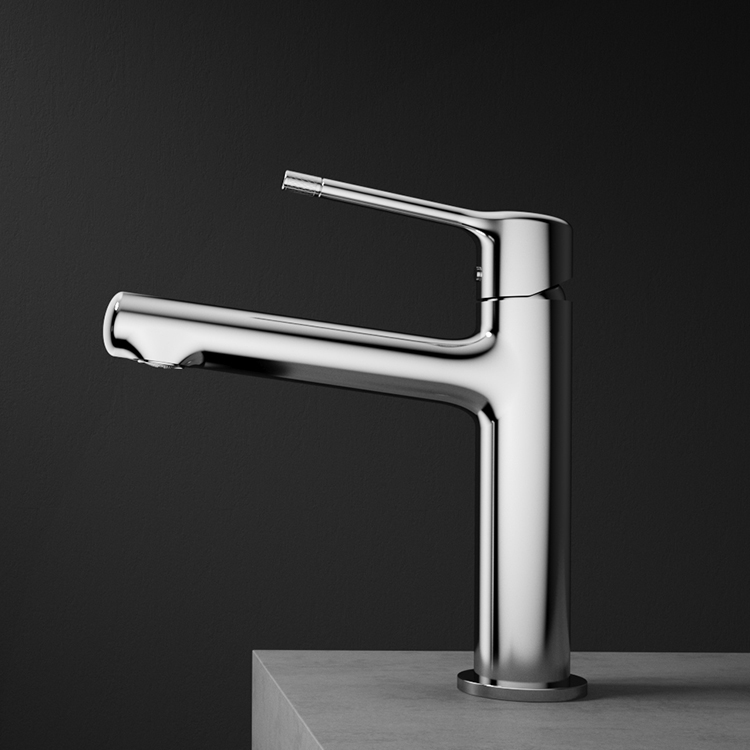
Modern shower faucet systems rely on sophisticated valve technologies to deliver consistent water temperature, pressure control, and durability. The choice of valve technology directly impacts how your shower performs, how long it lasts, and how effectively it handles daily use. Understanding the different valve technologies in shower faucets helps homeowners and designers make informed decisions about fixture selection and maintenance requirements. Today's shower faucet valve technologies have evolved far beyond simple on-off mechanisms, incorporating precision engineering that ensures safety, comfort, and water conservation.
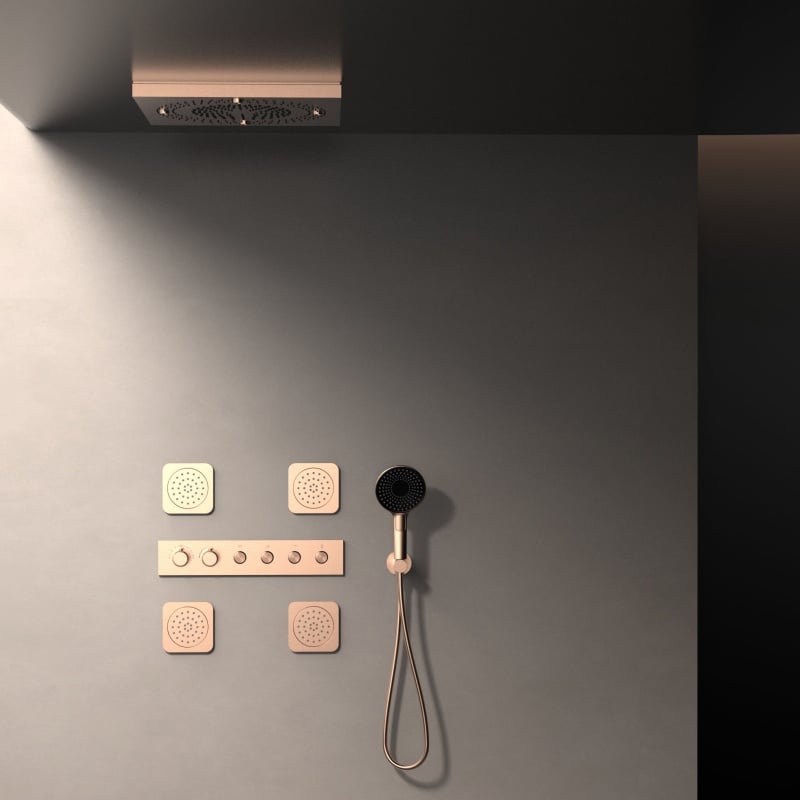
The effectiveness of any shower faucet system depends entirely on the valve technologies embedded within it. Modern valve technologies in shower faucets must balance multiple demands: preventing scalding injuries, maintaining steady pressure despite supply fluctuations, resisting corrosion and mineral buildup, and functioning reliably for decades. Whether you are renovating a residential bathroom or specifying fixtures for a commercial property, knowing the capabilities and limitations of each valve technology helps ensure the right performance outcome.
Cartridge Valve Technology in Shower Systems
How Cartridge Valves Function
Cartridge valve technology represents one of the most common valve technologies in shower faucets found in residential and commercial installations. A cartridge valve consists of a hollow, cylindrical cartridge that moves up and down within a valve body to control water flow and temperature. As the handle turns, the cartridge shifts position, directing water through different ports to achieve the desired temperature and volume. This valve technologies in shower faucets design eliminates the need for separate hot and cold valve seats, reducing internal complexity and the number of components that can wear or fail. The cartridge itself is a self-contained unit that can be removed and replaced without cutting copper lines or draining the entire plumbing system.
Advantages and Maintenance Considerations
One major benefit of cartridge valve technology in shower faucets is the reduced number of seals and springs compared to older compression valve designs. Fewer moving parts mean fewer potential failure points and extended service life. Most valve technologies in shower faucets using cartridge mechanisms require only periodic cartridge replacement rather than complete fixture replacement. Water mineral deposits can accumulate within cartridge pathways, but modern cartridge designs often include sediment traps and cleanable ports. Homeowners appreciate cartridge valve technology in shower faucets because repairs typically involve swapping out a single component rather than undertaking major plumbing work. The reliability of cartridge valve technologies in shower faucets has made them the industry standard for decades.
Ceramic Disk and Thermostatic Valve Technologies
Ceramic Disk Valve Operation
Ceramic disk valve technology in shower faucets employs two stacked ceramic disks with precise machined ports. As water pressure pushes the upper disk, it glides smoothly across the lower stationary disk, opening and closing fluid pathways. The hardness of ceramic material resists scratching from mineral particles and sediment, making ceramic disk valve technology in shower faucets exceptionally durable in hard water environments. Unlike cartridge designs, ceramic disk valve technologies in shower faucets can tolerate small debris without creating leaks or drips. The thin water film between the two ceramic surfaces creates a self-lubricating action, reducing friction and wear. Ceramic disk valve technology in shower faucets typically has longer intervals between maintenance requirements.
Thermostatic Valve Technology for Temperature Control
Thermostatic valve technology in shower faucets adds a layer of safety and comfort by automatically compensating for supply water temperature fluctuations. These valve technologies in shower faucets contain a wax element or bimetallic strip that expands and contracts in response to water temperature changes. When cold supply pressure suddenly increases or hot water decreases, the thermostatic valve technology in shower faucets rapidly adjusts the mixing balance to maintain the preset outlet temperature. This valve technologies in shower faucets feature is essential in homes with multiple fixtures or commercial settings where supply conditions vary constantly. Many modern luxury shower faucet systems incorporate both thermostatic and cartridge valve technologies in shower faucets, layering protection and performance advantages. Thermostatic valve technology in shower faucets prevents scalding injuries and eliminates uncomfortable temperature swings during use.
Integration and Performance Characteristics
Multi-Valve System Design
High-performance shower faucet systems often combine multiple valve technologies in shower faucets within a single assembly. A primary mixing valve might use cartridge valve technology, while a secondary diverter valve directs water to the overhead rain showerhead or hand shower. Advanced installations layer thermostatic valve technology in shower faucets with pressure-balancing cartridges to create redundant safety systems. This multi-layer approach to valve technologies in shower faucets ensures that if one component fails or reaches the end of its service life, others continue protecting the user. Concealed valve technologies in shower faucets systems hide the actual cartridges and components behind walls or within trim rings, creating clean aesthetic lines. Understanding how different valve technologies in shower faucets work together helps specify systems that deliver both luxury feel and practical reliability.
Durability and Water Quality Impact
The choice of valve technologies in shower faucets significantly affects how well a system tolerates local water chemistry. Hard water areas benefit from ceramic disk or high-quality ceramic-seated cartridge valve technologies in shower faucets, which resist mineral coating better than traditional rubber seal designs. Valve technologies in shower faucets made from brass or stainless steel components resist corrosion in humid bathroom environments. Regular cleaning and sediment trap maintenance extend the life of any valve technologies in shower faucets installation. Modern valve technologies in shower faucets designs often include easy-access cleanable ports or replaceable strainers that prevent debris from damaging precision surfaces. Selecting appropriate valve technologies in shower faucets for your water chemistry and usage patterns ensures years of trouble-free operation.
FAQ
Which valve technologies in shower faucets are best for hard water conditions?
Ceramic disk valve technology in shower faucets excels in hard water environments because the smooth ceramic surfaces resist scratching and mineral accumulation. Cartridge valve technologies in shower faucets with ceramic disk seating also perform well, providing the durability of ceramic materials with the convenience of cartridge replacement. Thermostatic valve technology in shower faucets functions independently of water hardness, though the underlying cartridge or disk should still resist mineral buildup. Regular cleaning of sediment traps and strainers helps any valve technologies in shower faucets system maintain optimal performance in hard water areas.
How do thermostatic valve technologies in shower faucets prevent scalding?
Thermostatic valve technology in shower faucets continuously monitors outlet water temperature and automatically adjusts the mixture of hot and cold water to maintain a safe preset level. If supply water temperature shifts suddenly or pressure changes, the thermostatic element responds instantly, preventing dangerous temperature spikes. Many thermostatic valve technologies in shower faucets include mechanical stops that limit maximum temperature to around 120 degrees Fahrenheit. This automatic compensation makes thermostatic valve technology in shower faucets essential safety features in homes with children, elderly residents, or anyone vulnerable to scalding injuries.
Can cartridge valve technologies in shower faucets be repaired or must they be completely replaced?
Most cartridge valve technologies in shower faucets can be repaired by simply replacing the internal cartridge rather than replacing the entire fixture. The cartridge itself is an inexpensive, easily replaceable component that takes minutes to swap out. If the valve body or mixing chamber is cracked or corroded, then complete fixture replacement becomes necessary. Regular maintenance of cartridge valve technologies in shower faucets, including cleaning strainers and checking seals, significantly extends the overall service life and minimizes the need for repairs. This repairability is one reason cartridge valve technology in shower faucets remains popular in both residential and commercial settings.