EN
EN
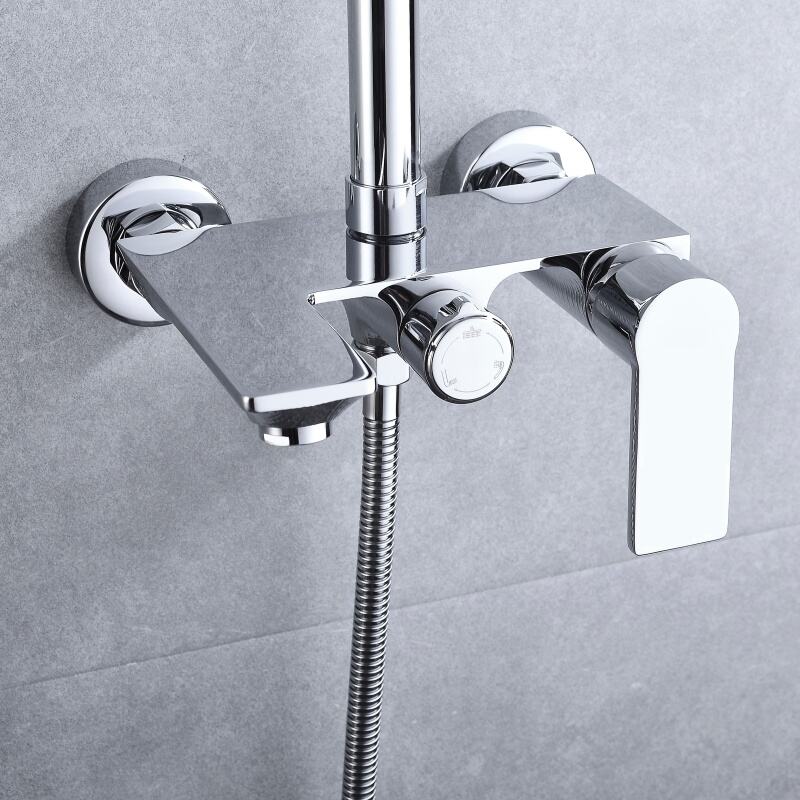
The bathroom and kitchen fixture industry is experiencing a revolutionary transformation as consumer preferences, technological advances, and environmental consciousness converge to reshape how sink faucet products are designed, manufactured, and integrated into modern living spaces. Contemporary sink faucet designs are moving far beyond their traditional utilitarian role, evolving into sophisticated design statements that blend functionality with aesthetic appeal while incorporating cutting-edge technology and sustainable materials.
Understanding these emerging trends is crucial for manufacturers, designers, contractors, and consumers who want to make informed decisions about sink faucet selections that will remain relevant and functional for years to come. From smart connectivity features to minimalist geometric forms, the future of sink faucet design is being shaped by multiple converging forces that promise to deliver enhanced user experiences while addressing growing concerns about water conservation and energy efficiency.
Smart Technology Integration in Modern Sink Faucet Design
Touchless Activation and Sensor Technology
Motion sensor technology has become a defining feature of contemporary sink faucet design, driven by heightened hygiene awareness and convenience demands. Advanced infrared sensors now enable precise activation zones that reduce false triggers while providing consistent water flow control. These sensors are being integrated into sleek sink faucet profiles without compromising the overall aesthetic appeal, utilizing miniaturized components that maintain clean design lines.
The evolution of sensor technology extends beyond basic on-off functionality to include temperature memory settings, flow rate adjustments, and user recognition capabilities. Modern sink faucet designs incorporate multiple sensor zones that can differentiate between hand washing, vessel filling, and cleaning activities, automatically adjusting water pressure and temperature accordingly. This intelligent responsiveness transforms the traditional sink faucet into an interactive fixture that adapts to user behavior patterns.
Connected Water Management Systems
Internet connectivity is revolutionizing sink faucet functionality through integration with home automation systems and mobile applications. Smart sink faucet designs now feature wireless connectivity that enables remote monitoring, usage tracking, and maintenance scheduling through dedicated smartphone apps. These connected systems provide real-time water consumption data, helping users optimize their usage patterns while identifying potential leaks or maintenance needs.
Voice activation compatibility represents another significant advancement in sink faucet technology integration. Modern designs incorporate voice recognition systems that respond to specific commands for temperature adjustment, flow duration, and preset activation modes. This hands-free operation enhances accessibility for users with mobility limitations while providing added convenience during food preparation or cleaning tasks where manual controls might be impractical.
Digital Display and Control Interfaces
Embedded digital displays are becoming increasingly common in premium sink faucet designs, providing users with real-time information about water temperature, flow rate, and consumption metrics. These interfaces utilize LED or OLED technology to deliver clear, easily readable information without overwhelming the faucet's visual design. Temperature displays help prevent scalding incidents while ensuring optimal comfort for different tasks.
Programmable control interfaces allow users to create custom presets for different activities, storing preferred temperature and flow combinations for specific tasks like hand washing, teeth brushing, or vessel filling. These personalization features transform the sink faucet from a simple water delivery device into a customizable tool that adapts to individual preferences and household routines.
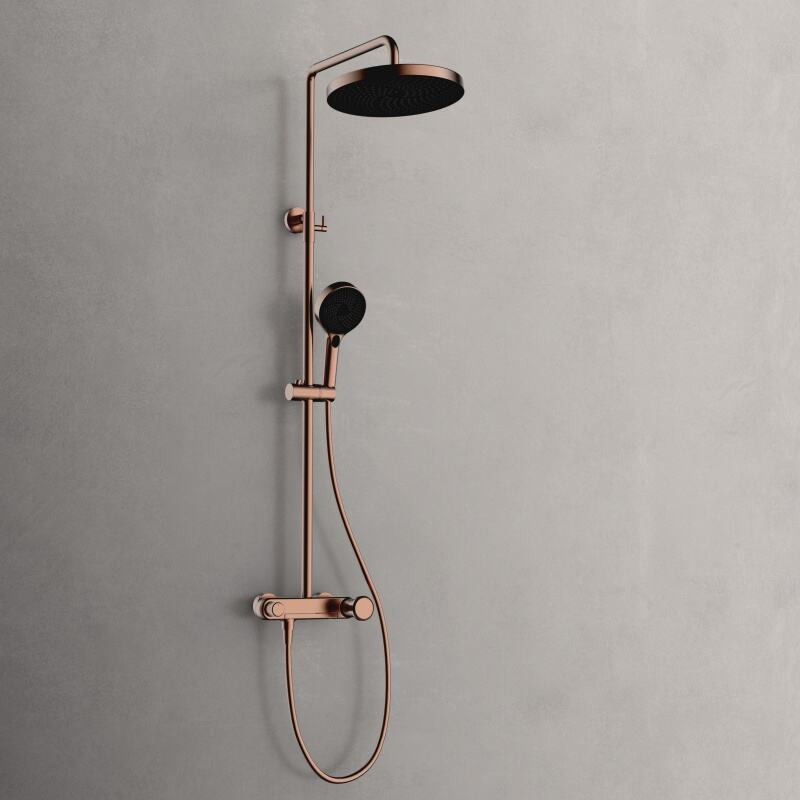
Sustainable Materials and Eco-Conscious Manufacturing
Recycled Metal Integration and Circular Design Principles
Environmental sustainability has become a primary driver in sink faucet material selection, with manufacturers increasingly utilizing recycled brass, stainless steel, and other metals in their production processes. Advanced recycling techniques now enable the creation of high-quality sink faucet components from post-consumer and post-industrial metal waste, reducing the environmental impact of raw material extraction while maintaining structural integrity and finish quality.
Circular design principles are influencing how sink faucet manufacturers approach product development, emphasizing modular construction that facilitates repair, component replacement, and end-of-life recycling. This approach extends product lifespan while reducing waste generation, aligning with growing consumer demand for environmentally responsible fixtures. Modular sink faucet designs allow users to upgrade specific components like sensors or control mechanisms without replacing the entire fixture.
Water Conservation Technology Integration
Advanced aerator technology represents a significant trend in eco-conscious sink faucet design, with manufacturers developing innovative flow restriction systems that maintain user satisfaction while dramatically reducing water consumption. Modern aerators utilize precision-engineered internal structures that create consistent, pressurized streams using significantly less water than traditional designs, often achieving flow rates below 1.5 gallons per minute without compromising functionality.
Automatic shut-off mechanisms are being refined to provide more intelligent water conservation features in contemporary sink faucet designs. These systems utilize sophisticated sensors and timers that learn user behavior patterns, automatically terminating water flow after predetermined intervals while allowing manual override for extended use scenarios. Such features help reduce inadvertent water waste while providing flexibility for various tasks.
Low-Impact Manufacturing Processes
Sustainable manufacturing techniques are reshaping how sink faucet products are produced, with companies investing in energy-efficient production methods and renewable energy systems. Advanced casting and machining processes reduce material waste while improving precision, resulting in higher-quality sink faucet components with reduced environmental footprint. Water-based finishing processes are replacing traditional chemical treatments, minimizing harmful emissions while maintaining durability and appearance standards.
Local sourcing initiatives are influencing sink faucet supply chain management, with manufacturers prioritizing regional material suppliers to reduce transportation-related carbon emissions. This trend toward localization also supports regional economies while improving supply chain resilience, enabling more responsive customer service and faster delivery times for sink faucet products.
Minimalist Design Philosophy and Geometric Innovation
Clean Line Architecture and Geometric Simplicity
Contemporary sink faucet design is embracing minimalist principles that emphasize clean geometric forms, uncluttered surfaces, and intuitive functionality. This design philosophy reflects broader architectural trends toward simplification and spatial harmony, with sink faucet fixtures serving as sculptural elements that complement rather than compete with surrounding design elements. Geometric precision in spout curves, handle positioning, and base integration creates visual cohesion that enhances overall bathroom or kitchen aesthetics.
Angular design elements are gaining prominence in modern sink faucet collections, featuring sharp edges, rectangular profiles, and linear geometries that align with contemporary interior design preferences. These geometric approaches create striking visual contrast against curved basin forms while maintaining ergonomic functionality. The integration of geometric patterns extends to control mechanisms, with lever handles and activation surfaces following consistent angular themes.
Material Texture and Surface Innovation
Surface treatment innovations are expanding design possibilities for sink faucet products, with manufacturers developing new finishing techniques that create unique tactile and visual experiences. Brushed, matte, and textured finishes provide alternatives to traditional polished surfaces, offering improved fingerprint resistance and easier maintenance while creating sophisticated aesthetic effects. These surface treatments also enable better integration with various countertop materials and basin designs.
Color customization options are expanding beyond traditional chrome and brushed finishes to include black, gold, copper, and custom powder-coated options that allow sink faucet fixtures to serve as design focal points. Advanced coating technologies ensure these decorative finishes maintain durability and corrosion resistance while providing distinctive visual appeal that complements specific design themes.
Ergonomic Optimization and User Experience Design
Human factors engineering is playing an increasingly important role in sink faucet design development, with manufacturers conducting extensive user research to optimize handle positioning, activation force requirements, and control accessibility. Ergonomic considerations ensure that sink faucet operation remains comfortable and intuitive for users of different ages, physical abilities, and stature, promoting universal design principles that enhance usability for all family members.
Intuitive control mechanisms are being refined to provide clear operational feedback through tactile, visual, and auditory cues that help users understand system status and adjust settings accurately. These user experience enhancements reduce learning curves for new sink faucet installations while preventing operational errors that might lead to water waste or user frustration.
Advanced Filtration and Water Quality Integration
Built-in Filtration System Development
Integrated water filtration represents a growing trend in premium sink faucet design, with manufacturers developing compact filtration systems that provide clean, treated water without requiring separate filter fixtures. These built-in systems utilize advanced filtration media to remove chlorine, sediment, and other contaminants while maintaining consistent flow rates and pressure. The integration of filtration technology into sink faucet designs eliminates countertop clutter while providing convenient access to filtered water for drinking and cooking.
Multi-stage filtration capabilities are being incorporated into sophisticated sink faucet designs that offer different water treatment levels for various uses. Dual-output systems provide both filtered and unfiltered water options, allowing users to select appropriate water quality for specific tasks while optimizing filter life and system efficiency. These selective filtration features help balance water quality needs with operational costs.
Real-time Water Quality Monitoring
Advanced sensor integration enables modern sink faucet designs to provide real-time water quality monitoring, displaying information about temperature, pH levels, and contaminant detection through integrated displays or connected mobile applications. These monitoring capabilities help users make informed decisions about water treatment needs while identifying potential system maintenance requirements before problems develop.
Automated quality alerts notify users when filter replacement becomes necessary or when water quality parameters exceed safe thresholds. These proactive notification systems help maintain consistent water quality while preventing system damage from overused or expired filtration components. Smart sink faucet designs can even order replacement filters automatically when monitoring systems detect declining performance.
Antimicrobial Technology Integration
UV sterilization and antimicrobial surface treatments are emerging features in high-end sink faucet designs that address growing concerns about waterborne pathogens and surface contamination. Ultraviolet sterilization systems integrated into sink faucet spouts can eliminate bacteria and viruses in real-time, providing an additional layer of water safety for vulnerable users or areas with questionable water quality.
Antimicrobial coatings applied to sink faucet surfaces help reduce bacterial growth on handles and control surfaces, contributing to improved hygiene in high-use environments. These treatments utilize silver ion technology or other antimicrobial agents that remain effective over extended periods without compromising finish quality or durability.
FAQ
How do smart technology features affect sink faucet installation requirements?
Smart sink faucet installations typically require electrical connections for sensor operation, digital displays, and wireless connectivity features. Most modern designs use low-voltage systems that can be powered by batteries or standard household electrical connections. Installation may require additional wiring for permanent power connections and network access, though many models offer battery-powered operation for easier retrofit installations. Professional installation is recommended to ensure proper electrical connections and optimal sensor positioning.
What maintenance considerations apply to environmentally sustainable sink faucet materials?
Sustainable sink faucet materials like recycled metals and eco-friendly finishes generally require similar maintenance to traditional materials, though specific care instructions may vary. Recycled brass and stainless steel components maintain excellent durability and corrosion resistance while requiring standard cleaning with mild, non-abrasive cleansers. Water-based finishes may need more gentle cleaning approaches compared to traditional chemical coatings, but they often provide better long-term appearance retention with proper care.
How do integrated filtration systems impact sink faucet performance and water pressure?
Modern integrated filtration systems are designed to minimize impact on water pressure and flow rates through optimized filter media and bypass mechanisms. High-quality sink faucet filtration systems typically reduce flow rates by less than 20% when filters are clean and properly maintained. Dual-output designs allow users to access unfiltered water for tasks requiring maximum flow while preserving filter life for drinking water applications. Regular filter maintenance ensures consistent performance and prevents pressure loss from clogged filtration media.
What factors should be considered when selecting sink faucet designs for future-proofing?
Future-proof sink faucet selection should prioritize modular designs that allow component upgrades, standard connection sizes for compatibility with evolving plumbing systems, and proven technologies with good manufacturer support. Look for models with replaceable sensors, upgradeable control systems, and standard valve mechanisms that ensure long-term serviceability. Consider water efficiency ratings, smart home compatibility, and finish durability to ensure the sink faucet remains functional and relevant as technology and preferences evolve over time.
Table of Contents
- Smart Technology Integration in Modern Sink Faucet Design
- Sustainable Materials and Eco-Conscious Manufacturing
- Minimalist Design Philosophy and Geometric Innovation
- Advanced Filtration and Water Quality Integration
-
FAQ
- How do smart technology features affect sink faucet installation requirements?
- What maintenance considerations apply to environmentally sustainable sink faucet materials?
- How do integrated filtration systems impact sink faucet performance and water pressure?
- What factors should be considered when selecting sink faucet designs for future-proofing?