EN
EN
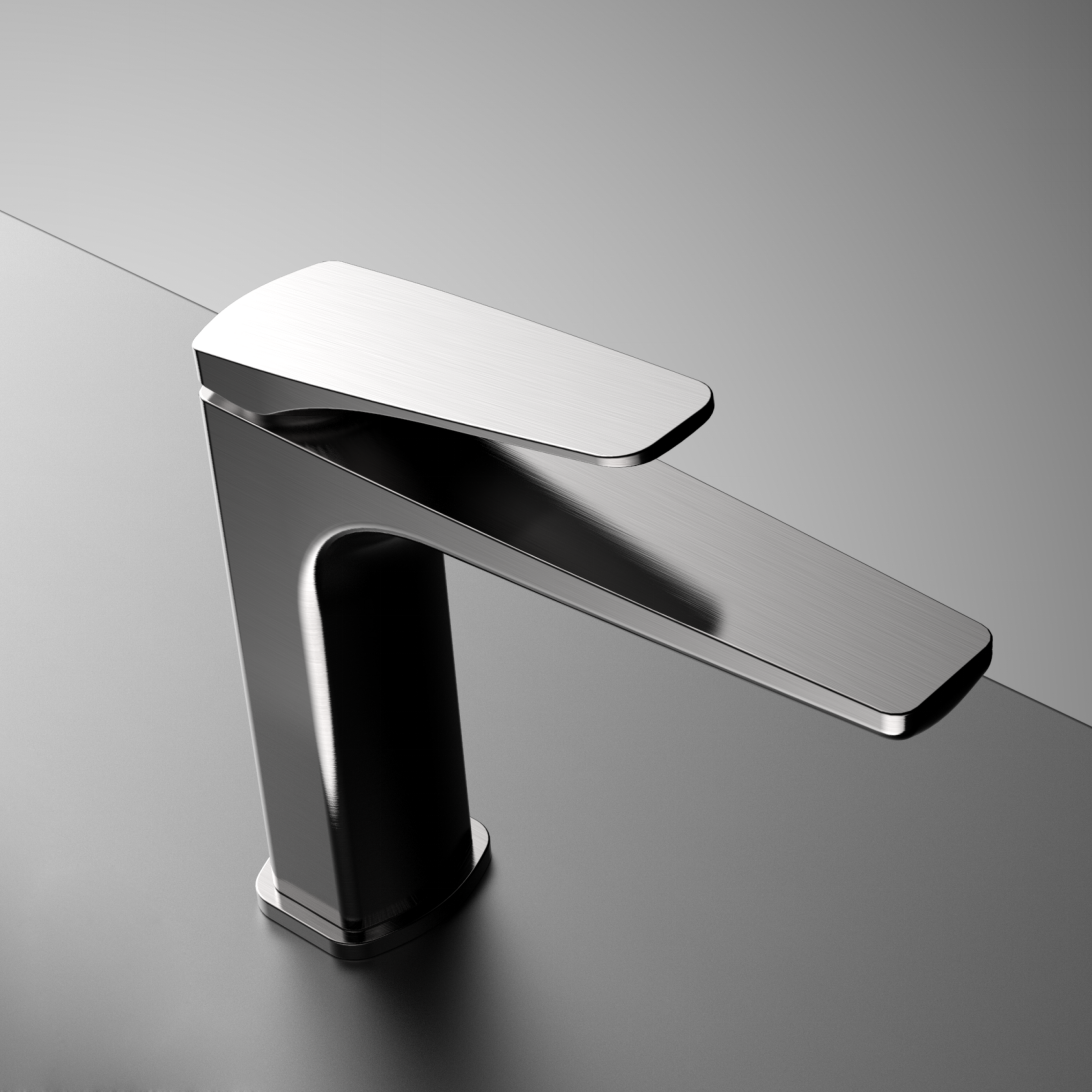
Defining what constitutes a high-quality faucet requires understanding the fundamental characteristics that separate superior fixtures from basic alternatives. A high-quality faucet represents more than aesthetic appeal, encompassing precise engineering, durable materials, reliable performance, and thoughtful design elements that serve both residential homeowners and commercial facility managers. Modern expectations for faucet quality have evolved significantly, driven by advances in manufacturing technology, environmental considerations, and the demand for products that deliver consistent performance across years of daily use.
The criteria for evaluating faucet quality extend beyond surface-level considerations to include internal mechanisms, water efficiency ratings, installation requirements, and long-term maintenance expectations. Understanding these defining characteristics helps property owners, contractors, and facility managers make informed decisions when selecting fixtures that must perform reliably in diverse environments. Whether serving a busy restaurant kitchen or a luxury residential bathroom, a high-quality faucet must demonstrate consistent water flow control, temperature regulation accuracy, and structural integrity that withstands frequent operation without compromise.
Material Construction and Durability Standards
Premium Metal Alloys and Manufacturing Processes
The foundation of any high-quality faucet begins with superior material selection and precision manufacturing processes. Premium faucets utilize solid brass construction or high-grade stainless steel components that resist corrosion, maintain structural integrity under pressure, and provide exceptional longevity. Brass remains the preferred material for many high-quality faucet applications due to its natural antimicrobial properties, excellent machinability, and superior resistance to dezincification, a common failure mode in lower-grade alloys.
Manufacturing quality directly impacts faucet performance, with precision casting and machining processes ensuring proper fit tolerances between moving components. High-quality faucet manufacturers employ advanced metallurgy techniques, including controlled cooling processes and stress relief treatments, to eliminate internal tensions that could lead to premature cracking or component failure. These manufacturing standards result in faucets capable of withstanding thousands of operational cycles without degradation in performance or appearance.
Surface Treatments and Finish Durability
Surface finish quality distinguishes premium faucets from standard alternatives, with high-quality options featuring multiple coating layers that provide both aesthetic appeal and functional protection. Advanced Physical Vapor Deposition processes create finishes that resist scratching, tarnishing, and chemical damage from common cleaning products. These treatments ensure that a high-quality faucet maintains its appearance throughout years of regular use, even in demanding commercial environments where frequent cleaning with aggressive chemicals is necessary.
The durability of surface treatments becomes particularly important in commercial applications where faucets experience constant use and require frequent sanitization. Premium finishes undergo rigorous testing protocols, including salt spray corrosion tests and accelerated aging procedures, to verify their ability to maintain appearance and functionality under extreme conditions. This attention to surface quality ensures that high-quality faucets continue to reflect professional standards throughout their service life.
Internal Mechanism Performance and Reliability
Cartridge Technology and Valve Systems
The internal mechanisms of a high-quality faucet represent the critical components that determine operational reliability and user experience. Premium cartridge systems utilize ceramic disc technology or precision-engineered valve assemblies that provide smooth operation, accurate temperature control, and exceptional sealing performance. These internal components must withstand millions of operational cycles while maintaining consistent performance characteristics, making cartridge quality a defining factor in overall faucet reliability.
Advanced cartridge designs incorporate pressure-balancing features that automatically adjust to variations in supply pressure, ensuring consistent water temperature even when other fixtures in the building are operating simultaneously. This capability becomes essential in commercial applications where multiple users may access water systems concurrently. A high-quality faucet maintains stable output characteristics regardless of system demand fluctuations, providing predictable performance that users can rely upon for safety and comfort.
Sealing Systems and Leak Prevention
Effective sealing systems distinguish high-quality faucets from alternatives that may develop leaks or performance issues over time. Premium faucets incorporate multiple sealing stages using advanced elastomer compounds that maintain flexibility and sealing effectiveness across wide temperature ranges. These sealing systems must accommodate thermal expansion, pressure variations, and the natural wear associated with regular operation without compromising water-tight integrity.
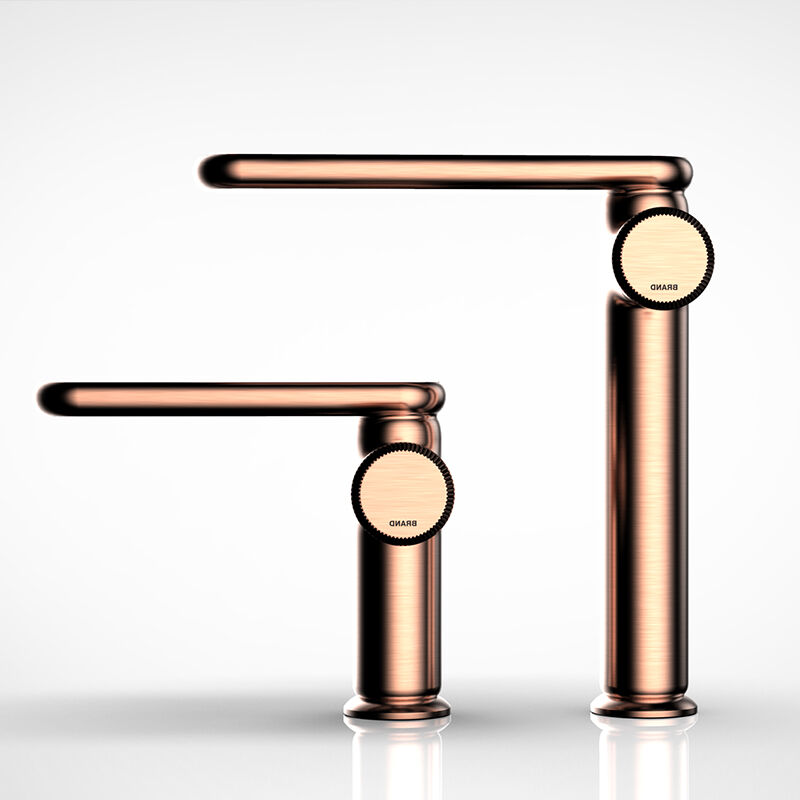
The design of sealing systems in a high-quality faucet considers long-term maintenance requirements, with replaceable components that can be serviced without complete fixture replacement. This approach reduces lifetime ownership costs while ensuring that performance can be restored to original specifications through routine maintenance procedures. Professional-grade sealing systems also incorporate backup sealing stages that provide redundant protection against water damage in the event of primary seal degradation.
Water Efficiency and Flow Control Features
Flow Rate Optimization and Conservation Technology
Modern high-quality faucets integrate sophisticated flow control technology that balances user satisfaction with water conservation requirements. Aerator systems mix air with water streams to create full, satisfying flow experiences while reducing actual water consumption. Advanced aerator designs maintain consistent flow patterns across varying supply pressures, ensuring that conservation features do not compromise user experience or functionality.
Flow rate regulation in a high-quality faucet incorporates pressure-compensating mechanisms that automatically adjust flow characteristics to maintain optimal performance regardless of supply variations. This technology becomes particularly valuable in commercial settings where water pressure may fluctuate throughout the day based on overall building demand. Consistent flow performance ensures that users receive predictable results while supporting facility-wide water conservation goals.
Temperature Control and Safety Features
Precision temperature control represents a critical safety and performance characteristic of high-quality faucets, particularly in applications where user safety depends on consistent water temperature delivery. Thermostatic mixing valves or pressure-balancing systems prevent dangerous temperature excursions that could result from supply pressure changes or equipment failures elsewhere in the plumbing system. These safety features become essential in commercial applications where liability concerns require reliable temperature control.
Advanced temperature control systems in high-quality faucets incorporate user-adjustable limits that allow facility managers to set maximum temperatures appropriate for specific applications. This capability enables customization for different user populations while maintaining safety standards. The reliability of temperature control mechanisms directly impacts user satisfaction and safety, making this functionality a key differentiator in faucet quality assessment.
Installation Flexibility and Maintenance Considerations
Mounting Options and Compatibility Standards
Installation flexibility defines how effectively a high-quality faucet can integrate into diverse architectural and plumbing configurations. Premium faucets offer multiple mounting options, including deck-mounted, wall-mounted, and widespread configurations that accommodate different design requirements. Standardized connection interfaces ensure compatibility with existing plumbing infrastructure while providing options for future system modifications or upgrades.
The mechanical design of high-quality faucets considers installation accessibility, with features that simplify professional installation and reduce labor requirements. Quick-connect fittings, integrated mounting hardware, and clear installation documentation contribute to successful installations that meet performance expectations. These design considerations become particularly important in commercial renovation projects where installation time directly impacts project costs and facility downtime.
Serviceability and Component Replacement
Long-term serviceability distinguishes high-quality faucets from disposable alternatives, with designs that accommodate routine maintenance and component replacement without complete fixture replacement. Modular cartridge systems, accessible packing nuts, and standardized replacement parts ensure that normal wear items can be replaced by qualified maintenance personnel using common tools and techniques.
The availability of replacement components throughout the expected service life of a high-quality faucet provides assurance that performance can be maintained over decades of operation. Manufacturer support for parts availability, technical documentation, and service training enables facility maintenance teams to preserve faucet functionality without premature replacement. This serviceability approach reduces lifecycle costs while supporting sustainable facility management practices.
Performance Standards for Commercial and Residential Applications
Durability Testing and Quality Certifications
High-quality faucets undergo comprehensive testing protocols that verify performance under accelerated aging conditions, extreme temperature variations, and intensive use cycles. Industry certification standards provide objective measures of faucet quality, including pressure ratings, temperature limits, and expected service life under normal operating conditions. These certifications enable specifiers to select products with confidence in their ability to meet application requirements.
Commercial-grade faucets must demonstrate superior durability compared to residential alternatives, with testing protocols that simulate the intensive use patterns typical of restaurants, healthcare facilities, and educational institutions. A high-quality faucet designed for commercial use incorporates reinforced internal components, enhanced sealing systems, and materials specifically selected for their ability to withstand frequent operation and aggressive cleaning procedures required in commercial environments.
Environmental Impact and Sustainability Features
Environmental considerations increasingly influence the definition of faucet quality, with high-performance products incorporating features that reduce water consumption, eliminate harmful materials, and support sustainable building practices. Lead-free construction, recyclable materials, and water-efficient operation contribute to overall environmental responsibility while maintaining superior performance characteristics.
Sustainability features in high-quality faucets extend beyond immediate water conservation to include lifecycle considerations such as durability, repairability, and end-of-life material recovery. These characteristics align with green building standards and corporate sustainability goals while providing practical benefits through reduced resource consumption and waste generation throughout the product lifecycle.
FAQ
How long should a high-quality faucet last in typical residential use?
A properly installed high-quality faucet should provide reliable service for 15-20 years in typical residential applications, with some premium models exceeding 25 years when properly maintained. The actual service life depends on water quality conditions, usage patterns, and regular maintenance practices. Hard water conditions may require more frequent cartridge replacement, but the faucet body and external components should maintain functionality throughout the expected service life.
What certifications should I look for when selecting a high-quality faucet?
Look for certifications from recognized testing organizations such as NSF International for lead-free compliance, WaterSense labels for water efficiency, and ASME A112.18.1 compliance for general performance standards. Commercial applications may require additional certifications such as ADA compliance for accessibility or specific industry standards for healthcare or foodservice environments. These certifications provide objective verification of faucet quality and performance characteristics.
Can high-quality faucets be retrofitted into existing plumbing systems?
Most high-quality faucets can be retrofitted into existing plumbing systems, provided that supply line connections and mounting configurations are compatible. Standard connection sizes and mounting patterns ensure broad compatibility, though some installations may require minor modifications such as supply line extensions or mounting hardware adjustments. Professional installation is recommended to ensure proper connection and optimal performance.
What maintenance is required to preserve high-quality faucet performance?
Regular maintenance for high-quality faucets includes cleaning aerators to remove mineral deposits, inspecting packing nuts for tightness, and replacing cartridges according to manufacturer recommendations or when performance degradation occurs. In commercial applications, more frequent inspection and cleaning may be necessary due to intensive use patterns. Following manufacturer maintenance guidelines helps ensure that the faucet continues to meet performance expectations throughout its service life.