EN

Selecting the right supplier for kitchen faucet products is a critical business decision that directly impacts your distribution margins, customer satisfaction, and long-term market position. Distributors who invest time in evaluating kitchen faucet suppliers establish competitive advantages through reliable partnerships, consistent product quality, and sustainable growth. The kitchen faucet market demands careful supplier assessment because product defects, supply delays, or inconsistent pricing can erode your reputation and bottom line. This guide walks you through the essential evaluation criteria that separate high-performing kitchen faucet suppliers from problematic vendors.
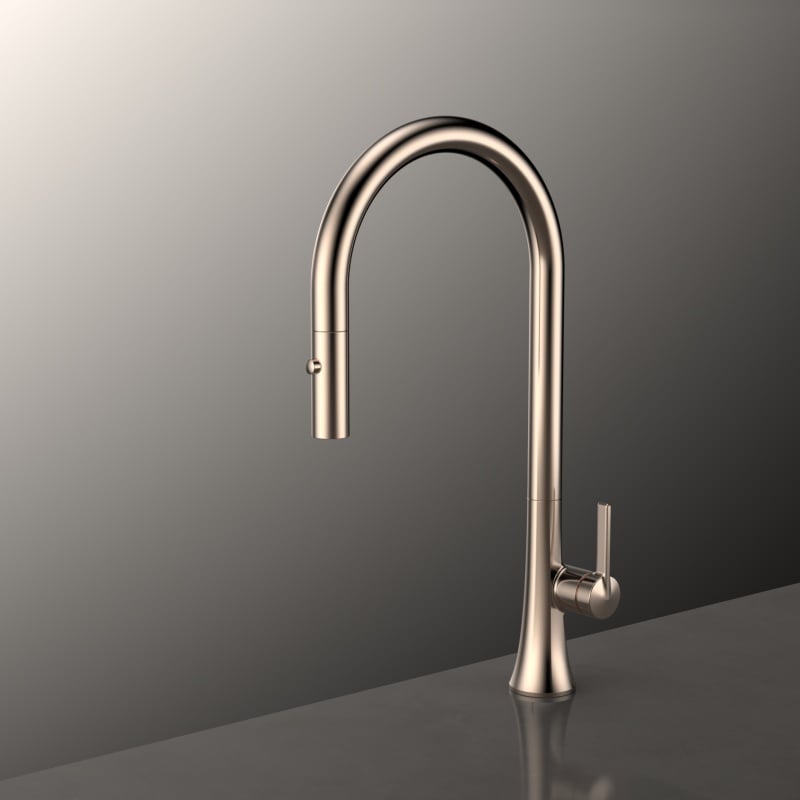
When evaluating kitchen faucet suppliers, you should focus on measurable factors including product durability, compliance certifications, delivery performance, and pricing transparency. A reliable kitchen faucet supplier will demonstrate technical expertise, provide detailed product specifications, and offer responsive customer support. The evaluation process requires examining sample products, reviewing supplier references, and understanding their production capacity to ensure they can meet your volume demands. Building relationships with quality kitchen faucet suppliers creates stability in your supply chain and builds customer trust.
Quality Standards and Product Certification
Material and Durability Assessment
The foundation of evaluating kitchen faucet suppliers begins with understanding their material specifications and construction methods. Quality kitchen faucet models typically feature solid brass bodies, stainless steel components, and corrosion-resistant finishes that withstand daily use and moisture exposure. When you assess a kitchen faucet supplier, request samples and conduct direct evaluation of weight, finish quality, valve smoothness, and spray mechanism performance. A kitchen faucet that fails within months generates warranty claims, customer complaints, and distribution losses that compound over time.
Certification and Compliance Requirements
Reputable kitchen faucet suppliers maintain certifications from recognized standards organizations such as NSF International, ANSI, WaterSense, or regional equivalents. These certifications confirm that their kitchen faucet products meet safety, performance, and environmental standards required in target markets. Request documentation proving that your kitchen faucet supplier holds current certifications, and understand which jurisdictions recognize each certification. Distributors who prioritize certified kitchen faucet suppliers reduce compliance risks and gain competitive credibility with commercial and residential customers.
Production Capacity and Supply Chain Reliability
Volume Capability and Lead Times
A critical evaluation element is whether your kitchen faucet supplier can consistently meet your volume projections and delivery timelines. Inquire about their production capacity, typical lead times for standard kitchen faucet models, and minimum order quantities for different product lines. Ask how your kitchen faucet supplier handles seasonal demand fluctuations and whether they maintain inventory buffers for fast-moving kitchen faucet styles. Unreliable kitchen faucet suppliers with extended lead times or frequent delays damage distributor relationships and create customer dissatisfaction that undermines market penetration.
Manufacturing Process and Quality Control
Transparent kitchen faucet suppliers will openly discuss their manufacturing processes, quality control procedures, and defect rates. Request information about their kitchen faucet testing protocols, including pressure testing, temperature cycling, and durability simulations. A kitchen faucet supplier with robust quality control systems typically reports defect rates below industry averages and demonstrates continuous improvement initiatives. Visiting the manufacturing facility or requesting facility certification documentation provides additional confidence in your kitchen faucet supplier's operational standards and consistency.
Pricing, Terms, and Commercial Partnership
Transparent Pricing and Volume Incentives
Effective kitchen faucet supplier evaluation requires understanding their complete cost structure, discount tiers, and pricing stability. Request detailed pricing information for various kitchen faucet models, volume breakpoints, and payment terms that align with your distribution model. Discuss how your kitchen faucet supplier adjusts pricing for material cost changes and whether they offer volume incentives for growing distribution partnerships. A kitchen faucet supplier offering consistent pricing, transparent cost justification, and progressive volume discounts demonstrates commitment to mutual growth.
Support Services and Return Policies
Evaluate whether your kitchen faucet supplier provides technical support, product training, marketing assistance, and clear return or warranty procedures. Some kitchen faucet suppliers offer distributor portals for order management, stock visibility, and technical documentation that streamline your operations. Clarify how your kitchen faucet supplier handles defective units, warranty claims, and customer complaints to ensure rapid resolution. A responsive kitchen faucet supplier reduces your administrative burden and enables you to focus on market development and customer relationships.
Supplier Assessment Framework and Relationship Development
Reference Checks and Industry Reputation
Before committing to a long-term partnership, request references from existing distributors or major accounts working with your kitchen faucet supplier. Ask references about consistency, responsiveness, product reliability, and willingness to adapt to distributor needs. Research industry forums, trade publications, and market feedback to understand your kitchen faucet supplier's reputation for innovation, customer service, and financial stability. Distributors who conduct thorough reference checks and due diligence typically avoid problematic kitchen faucet suppliers that damage market confidence.
Trial Partnership and Relationship Escalation
Consider starting with a limited trial order to evaluate your kitchen faucet supplier's actual performance against stated capabilities. Monitor on-time delivery, order accuracy, product quality, and communication responsiveness during the trial phase. Use this period to assess whether your kitchen faucet supplier demonstrates flexibility, problem-solving ability, and commitment to your success. A reliable kitchen faucet supplier will view the trial period as an opportunity to prove their value and build confidence for expanded partnership and higher volumes.
FAQ
What certifications should a kitchen faucet supplier maintain?
A credible kitchen faucet supplier should hold NSF International certification, ANSI standards compliance, and regional water quality certifications appropriate for your distribution markets. WaterSense certification demonstrates environmental commitment for eco-conscious segments. Request current documentation and verify that your kitchen faucet supplier maintains these certifications through ongoing compliance programs and regular audits.
How can distributors assess kitchen faucet quality without visiting manufacturing facilities?
Request product samples and conduct hands-on evaluation of feel, weight, finish quality, and spray mechanism performance. Ask your kitchen faucet supplier for detailed testing reports, defect rate documentation, and warranty claim data from existing distributors. Review third-party certifications, industry ratings, and customer feedback to triangulate kitchen faucet quality assessments across multiple data sources.
What payment terms and volume incentives are standard when working with kitchen faucet suppliers?
Standard terms vary by kitchen faucet supplier and distributor volume, but typical arrangements include net 30 to 60 payment terms, tiered volume discounts starting at defined order quantities, and potential prepayment discounts. High-volume kitchen faucet distributors often negotiate exclusive territories, extended payment terms, or marketing support. Discuss your specific distribution model with your kitchen faucet supplier to align on terms that support mutual profitability and growth.