EN
EN
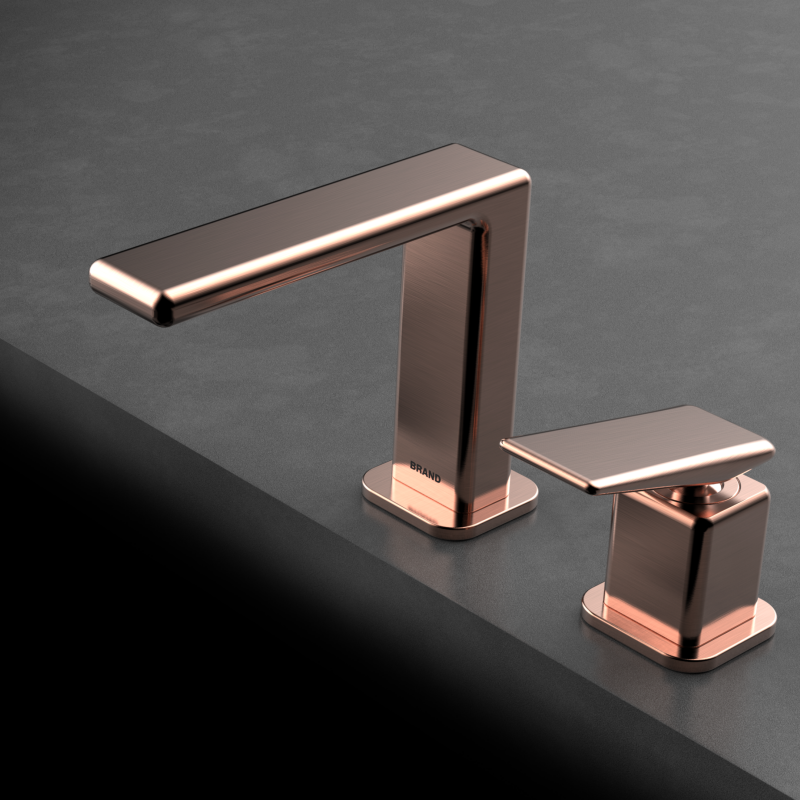
A shower mixer valve is the heart of any modern bathroom shower system, controlling water temperature, pressure, and flow with precision and reliability. Understanding the internal valve technologies behind these systems helps homeowners, builders, and designers make informed decisions about comfort, safety, and durability. The shower mixer valve represents a sophisticated blend of mechanical engineering, material science, and user experience design that has evolved significantly over the past two decades. Modern shower mixer valve systems must balance competing demands: delivering consistent hot water, preventing scalding, maintaining stable pressure, and ensuring long service life without maintenance issues. This article explores the core technologies that make contemporary shower mixer valve systems work, from thermostatic controls to advanced cartridge designs.
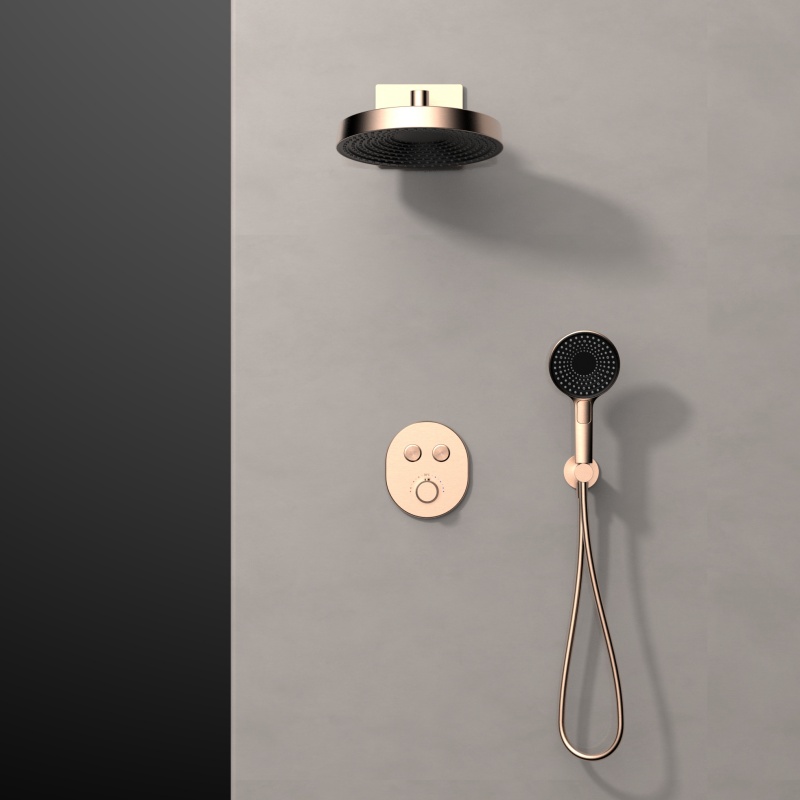
The shower mixer valve operates as an integrated system where multiple internal components work in tandem to regulate water delivery. Unlike older single-lever valves that offered limited control, today's shower mixer valve incorporates specialized valve cartridges, thermal elements, and flow limiters that work together seamlessly. These internal technologies ensure that water temperature remains stable even when household water pressure fluctuates, a critical safety feature for families with young children or elderly members. The shower mixer valve also manages the transition between the mixing function and diverter operation, allowing users to switch between rainfall showerheads, body sprays, and handheld wands without interruption. Each internal component serves a specific purpose within the broader shower mixer valve ecosystem, making the overall system more intelligent and responsive to user needs.
Thermostatic Valve Cartridges in Shower Mixer Systems
How Thermostatic Elements Regulate Temperature
The thermostatic valve cartridge is one of the most important internal technologies found in a professional shower mixer valve. At its core, a thermostatic shower mixer valve contains a wax element or shape-memory alloy that expands and contracts based on water temperature, automatically adjusting the internal valve ports to maintain a preset temperature setting. This mechanism is entirely mechanical, requiring no electricity or batteries, which ensures reliability even during power outages. The shower mixer valve's thermostatic element responds within seconds to temperature changes, preventing sudden surges of scalding water that could injure users. When water temperature drops below the preset level, the thermostatic component retreats, opening the hot water port wider to compensate. Conversely, when water temperature rises above the target, the element expands to restrict hot water flow and increase cold water proportion. This intelligent shower mixer valve behavior creates a comfort zone where users enjoy consistent, predictable water temperature throughout their shower experience.
Safety Features and Temperature Limits
Every quality shower mixer valve incorporates safety mechanisms that prevent water from exceeding dangerous temperatures. The thermostatic cartridge in a modern shower mixer valve typically features a maximum temperature setting, often capped at 49 degrees Celsius, which can be locked using a safety stop. This feature is crucial in commercial applications and households with children, as it eliminates the risk of accidental scalding regardless of how the user adjusts the lever or dial on a shower mixer valve. Some advanced shower mixer valve designs include a secondary anti-scald valve that operates independently, providing dual-layer protection. The shower mixer valve's safety architecture also accounts for the possibility of cold water supply failure, implementing check valves that immediately cut off hot water supply if cold water becomes unavailable. Professional installers recognize that a shower mixer valve with robust safety features represents both a legal requirement in many jurisdictions and a moral imperative for protecting vulnerable users. These internal technologies transform a simple shower mixer valve into a safety device that actively prevents harm.
Cartridge Valve Design and Flow Control
Structural Components of Valve Cartridges
The cartridge valve is the replaceable core component of a modern shower mixer valve, typically made from brass or engineered polymers that resist corrosion and mineral buildup. Within this shower mixer valve cartridge sits a complex arrangement of internal channels, seals, and positioning elements that direct water flow according to user input. The shower mixer valve cartridge connects to the external lever or knob through a stem that translates rotational or vertical motion into valve port adjustments. High-quality shower mixer valve cartridges use ceramic disc technology or metal-to-metal sealing surfaces to achieve virtually zero leakage, even after years of daily use. The shower mixer valve's internal design must accommodate both the mixing function (blending hot and cold water) and the diverter function (routing water to different outlets) within a single compact unit. This integration complexity is why a shower mixer valve from a reputable manufacturer tends to outperform budget alternatives that use simpler, less coordinated internal mechanisms. The shower mixer valve cartridge is engineered to withstand thermal cycling, pressure fluctuations, and the chemical effects of mineral-laden water without degradation.
Precision Manufacturing and Material Selection
A shower mixer valve's longevity depends heavily on the precision of its internal manufacturing and the quality of materials chosen for critical sealing surfaces. Manufacturers use Computer Numerical Control (CNC) machining to produce shower mixer valve cartridges with tolerances measured in fractions of millimeters, ensuring smooth, consistent operation without stick-slip binding. The sealing surfaces inside a shower mixer valve are often treated with hard-wearing coatings or manufactured from sapphire-like materials that resist scratching and erosion from water particles. Brass used in premium shower mixer valve construction is carefully selected for its corrosion resistance and malleability, allowing the shower mixer valve to function reliably in hard water environments where mineral deposits would damage inferior metals. The internal springs and positioning elements within a shower mixer valve must also be chosen carefully, as they experience millions of cycles during the valve's lifetime. A shower mixer valve designed for commercial hotel use, for example, receives proportionally more actuations than a residential shower mixer valve, requiring even more robust internal engineering. Attention to these manufacturing details is what distinguishes a shower mixer valve that lasts two decades from one that fails within five years.
Advanced Mixing Technologies and Pressure Balancing
Pressure-Balancing Mechanisms in Shower Valves
In addition to thermostatic control, many modern shower mixer valve systems incorporate pressure-balancing technology that maintains consistent water flow even when household water pressure changes dramatically. This shower mixer valve feature uses a spring-loaded piston that automatically adjusts to equalize incoming hot and cold water pressure, preventing the uncomfortable situation where users experience sudden temperature swings when another fixture (like a toilet) activates elsewhere in the home. A pressure-balancing shower mixer valve is particularly valuable in multi-story homes or buildings where water pressure varies significantly between floors. The internal design of a pressure-balancing shower mixer valve requires precise calibration so that the piston responds quickly to pressure changes without introducing unwanted oscillations or hunting behavior. When a shower mixer valve combines both thermostatic and pressure-balancing functions, it delivers what industry professionals call 'dual-control' performance, offering maximum comfort and responsiveness. This shower mixer valve technology is standard in high-end residential installations and nearly universal in commercial bathroom designs where reliability and user satisfaction are paramount concerns.
Flow Limitation and Eco-Efficiency Features
Environmental regulations in many regions now require that a shower mixer valve include built-in flow limiters that cap maximum water consumption at 9 or 10 liters per minute, significantly lower than older shower mixer valve designs. A modern shower mixer valve incorporates these flow limiters as fixed orifices or variable restrictors within the cartridge assembly, ensuring water conservation without requiring separate installation components. The shower mixer valve's flow-limiting technology is transparent to users, as it reduces consumption while maintaining perceived pressure and spray pattern satisfaction. Some advanced shower mixer valve cartridges use smart restriction channels that apply different limitation rates to hot and cold water supply lines, optimizing the mixing function while maintaining overall flow control. A shower mixer valve with intelligent flow management helps homeowners reduce their water heating costs and environmental footprint while actually improving comfort by preventing excessive flow from creating temperature instability. Eco-conscious designers now specify shower mixer valve models that combine thermostatic control, pressure balancing, and flow limitation into a single integrated cartridge, representing the current state of the art in sustainable bathroom technology. This shower mixer valve approach delivers superior performance and reduced operating costs simultaneously.
FAQ
What is the difference between a thermostatic and pressure-balancing shower mixer valve?
A thermostatic shower mixer valve maintains water temperature by responding to actual water temperature using a wax element, while a pressure-balancing shower mixer valve maintains temperature stability by equaling hot and cold water pressure. Both technologies prevent scalding, but a thermostatic shower mixer valve offers superior temperature precision, whereas a pressure-balancing shower mixer valve responds faster to pressure fluctuations. Many premium systems combine both technologies in a single shower mixer valve cartridge for optimal performance and safety. A thermostatic shower mixer valve requires hot water to function, while a basic pressure-balancing shower mixer valve can technically operate with only cold water, though neither would provide mixed temperature control in such scenarios.
How often should a shower mixer valve cartridge be replaced?
A high-quality shower mixer valve cartridge typically lasts 15 to 20 years with normal residential use, though frequency of use, water quality, and maintenance practices significantly affect actual lifespan. In commercial settings with heavy daily use, a shower mixer valve cartridge may require replacement every 5 to 10 years. The first sign that a shower mixer valve needs cartridge replacement is usually a slow drip from the spout or difficulty achieving desired temperature settings, indicating that internal seals have degraded. Some shower mixer valve cartridges can develop slow leaks at the diverter that allow water to spray from both the showerhead and handheld wand simultaneously, signaling seal failure within the shower mixer valve assembly. Regular descaling of the shower mixer valve through lime removal procedures can extend cartridge life by preventing mineral buildup that accelerates wear on internal seals.
Can a shower mixer valve cartridge be repaired or only replaced?
A shower mixer valve cartridge is almost always replaced rather than repaired, as the internal components are precision-engineered and sealed during manufacturing without field serviceability in mind. The cost of a shower mixer valve cartridge replacement is typically modest compared to the labor required for replacement, making replacement the economically rational choice. Some basic maintenance like cleaning the aerator screen or descaling mineral deposits can restore shower mixer valve performance without cartridge replacement, addressing issues that occur outside the sealed cartridge itself. If a shower mixer valve cartridge is not completely sealed or if internal damage becomes visible, attempting field repair would compromise the system's safety features and void most manufacturer warranties, so replacement is strongly recommended by professionals. Professional plumbers maintain inventory of common shower mixer valve cartridge sizes and can typically complete cartridge replacement within an hour, making the solution accessible and affordable for most property owners.