EN
EN
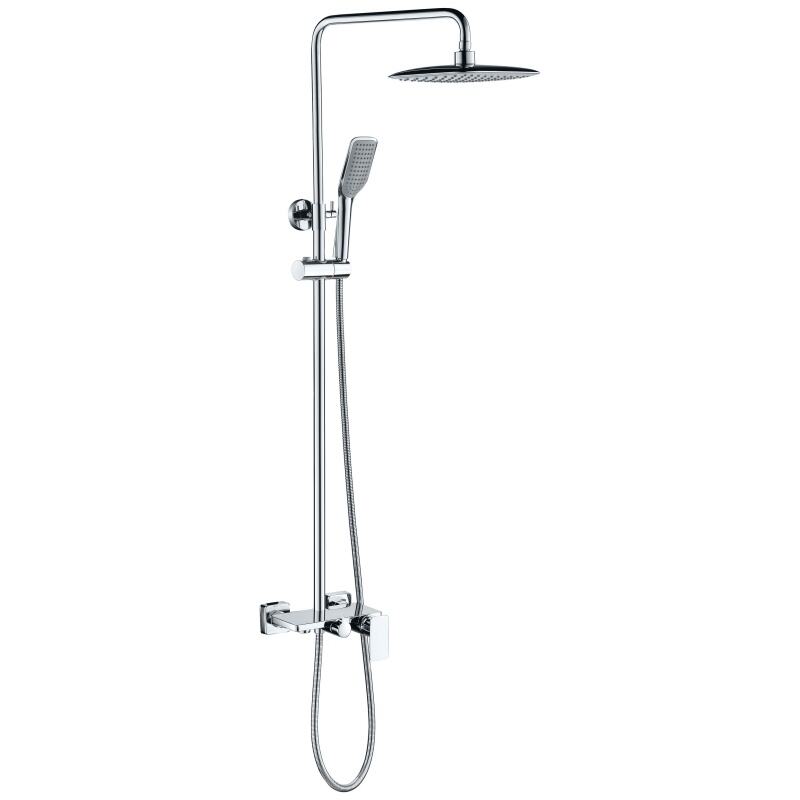
When designing or renovating a luxury bathroom, selecting the right high-end modern shower system becomes a critical decision that influences daily comfort, aesthetic appeal, and long-term property value. Today's discerning homeowners and hospitality developers seek shower systems that transcend basic functionality, offering a sophisticated blend of advanced water delivery technology, premium materials, intuitive controls, and architectural design coherence. Understanding which features genuinely define a high-end modern shower system helps buyers differentiate between superficial upgrades and genuinely transformative installations that deliver exceptional performance and enduring satisfaction.
The distinction between standard shower installations and a true high-end modern shower system lies not merely in price points but in thoughtful engineering, material selection, and user experience design. Premium systems integrate concealed valve technology, multiple water outlet configurations, thermostatic precision, and finish durability that maintains visual appeal across decades of daily use. This article examines the specific features that constitute essential requirements for any shower system claiming high-end status, providing practical guidance for residential projects, boutique hotel developments, and commercial wellness facilities where quality and performance cannot be compromised.
Advanced Valve Technology and Pressure Management
Thermostatic Mixing Valves for Temperature Consistency
At the core of every high-end modern shower system sits a thermostatic mixing valve that maintains precise water temperature regardless of pressure fluctuations elsewhere in the building. Unlike pressure-balanced valves found in standard installations, thermostatic valves use wax elements or electronic sensors that respond instantly to temperature changes, preventing scalding incidents and eliminating the uncomfortable temperature swings that occur when toilets flush or washing machines fill. Premium thermostatic valves maintain set temperatures within one degree Celsius, providing the consistent thermal experience that defines luxury bathing.
Quality thermostatic valves incorporate ceramic disc cartridges rather than rubber washers, ensuring smooth operation and drip-free performance across hundreds of thousands of cycles. These cartridges resist mineral deposit accumulation and maintain sealing integrity even in hard water environments. The best systems include user-accessible temperature limit stops that prevent accidental exposure to dangerously hot water, particularly important in family homes and hospitality settings where liability considerations demand fail-safe temperature control mechanisms.
Installation depth considerations matter significantly in thermostatic valve selection for a high-end modern shower system. Concealed valves require adequate wall cavity depth, typically between 80 and 120 millimeters, to accommodate the valve body while maintaining trim plate alignment with finished tile surfaces. Premium manufacturers provide adjustable mounting brackets and extension kits that accommodate various wall construction methods, ensuring proper installation regardless of whether walls use metal studs, wood framing, or solid masonry construction techniques.
Pressure-Balancing Technology for Multi-Outlet Systems
When a high-end modern shower system incorporates multiple water outlets such as rainfall showerheads, handheld wands, body jets, and waterfall spouts, pressure-balancing technology becomes essential to prevent one outlet from starving others of adequate flow. Premium diverter valves use progressive switching mechanisms rather than simple on-off designs, allowing simultaneous operation of compatible outlets while maintaining balanced pressure distribution. This technology ensures that activating body jets does not reduce rainfall shower performance to an unsatisfying trickle.
Flow rate management in multi-outlet configurations requires careful hydraulic calculation during system design. A genuine high-end modern shower system accounts for total simultaneous flow demands, typically ranging from 15 to 30 liters per minute depending on outlet selection, and ensures adequate supply line sizing from the main water distribution system. Undersized supply lines create pressure drops that compromise performance regardless of valve quality, making proper hydraulic design as important as component selection in achieving true luxury shower performance.
Backflow prevention represents another critical but often overlooked aspect of valve technology in premium shower systems. High-quality valves incorporate integral check valves that prevent contaminated water from flowing backward into potable supply lines, meeting plumbing code requirements while protecting water quality. This feature becomes particularly important in systems with handheld wands that might be submerged in bathtubs or those installed in commercial settings where regulatory compliance carries significant liability implications.
Premium Materials and Finish Durability
Solid Brass Construction for Longevity
The material composition of valve bodies, trim plates, and shower components fundamentally determines whether a high-end modern shower system delivers decades of reliable service or requires replacement within years. Genuine luxury systems utilize solid brass valve bodies and forged brass components rather than zinc alloy castings or plastic assemblies found in budget products. Brass offers superior corrosion resistance, withstands high water pressures without stress fracturing, and maintains structural integrity across extreme temperature cycling that occurs in daily shower use.
Premium brass components typically contain dezincification-resistant alloys, often specified as DZR brass in technical documentation, which prevents the selective leaching of zinc that causes brass to become porous and weak over time. This metallurgical consideration becomes particularly important in coastal regions, areas with aggressive water chemistry, or buildings with copper piping systems where galvanic corrosion potential exists. Manufacturers serving the luxury market provide detailed material certifications and composition specifications that allow verification of true brass content rather than accepting marketing claims at face value.
Wall thickness in brass valve bodies provides another quality indicator often invisible to buyers but critical to long-term performance. Premium valves feature minimum wall thicknesses of three to four millimeters in pressure-bearing sections, providing structural margin that prevents catastrophic failure even under pressure surge conditions. Thin-walled components may function adequately under normal conditions but risk failure during water hammer events or when supply pressures exceed expected ranges, potentially causing expensive water damage and system replacement costs.
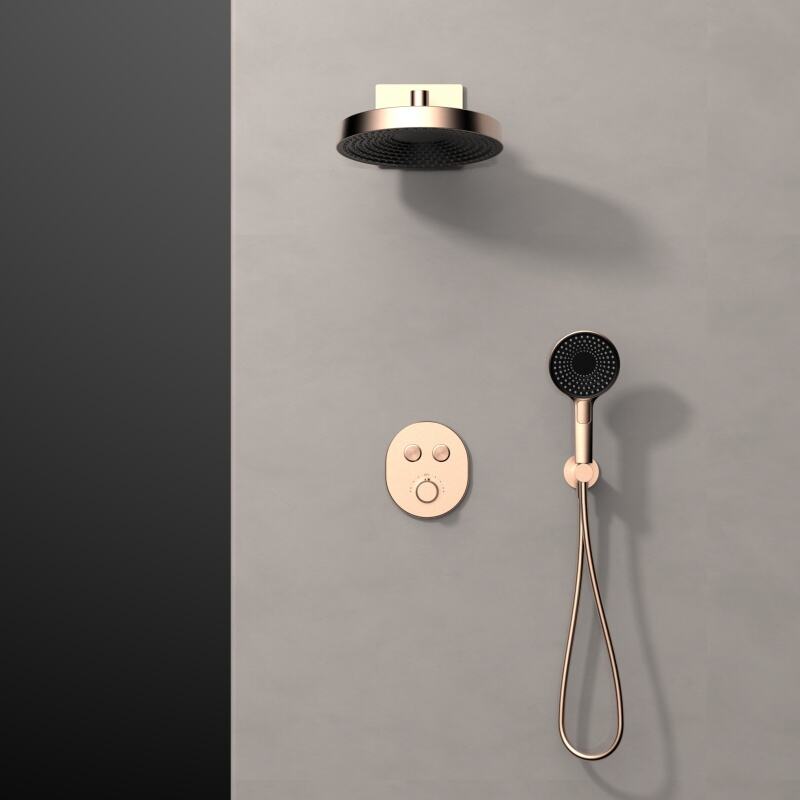
Advanced Surface Finishing Technologies
The visible surfaces of a high-end modern shower system receive specialized finishing treatments that transcend simple chrome plating. Physical vapor deposition, or PVD coating technology, creates exceptionally durable finishes in colors ranging from brushed gold and rose gold to matte black and gunmetal gray. PVD finishes bond at the molecular level with underlying brass substrates, creating surface layers that resist scratching, tarnishing, and chemical degradation far better than electroplated finishes. These advanced coatings maintain their appearance across years of daily cleaning with various bathroom chemicals without showing wear patterns around control handles or where water contacts surfaces.
Brushed and satin finishes in premium systems receive directional grain polishing that creates consistent visual texture across all components. Quality control in finishing ensures that showerheads, valve trim plates, spout assemblies, and accessory items display matching grain direction and texture depth, creating visual coherence that distinguishes thoughtfully manufactured systems from assembled collections of mismatched components. This attention to finishing detail becomes particularly evident in installations featuring extensive metal surfaces where inconsistent textures immediately signal quality compromises.
Protective clear coats applied over brushed and polished finishes in premium systems provide additional defense against water spotting and fingerprint visibility. These nano-technology coatings create hydrophobic surfaces that shed water droplets rather than allowing them to dry in place and leave mineral deposits. The practical benefit appears in reduced cleaning maintenance and sustained visual appeal between bathroom cleaning sessions, contributing to the effortless luxury experience that defines high-end installations.
Water Delivery Performance and Spray Technology
Rainfall Showerhead Engineering
The centerpiece of most high-end modern shower systems features an oversized rainfall showerhead, typically measuring between 250 and 400 millimeters square or in diameter, that delivers voluminous water coverage. Premium rainfall heads incorporate internal flow channels engineered to distribute water evenly across the entire face plate, eliminating the concentrated center spray and weak perimeter flow characteristic of budget designs. Computational fluid dynamics modeling in quality products ensures uniform spray patterns that provide consistent water delivery from center to edges, creating the enveloping sensation that makes rainfall showers distinctly luxurious.
Spray nozzle design within rainfall heads significantly impacts both performance and maintenance requirements. Silicone or rubber nozzles in premium systems provide self-cleaning properties that resist mineral deposit accumulation, maintaining consistent spray patterns in hard water environments without frequent descaling. These flexible nozzles also allow users to wipe away deposits with simple finger pressure during regular shower use, preventing the degraded performance and clogged nozzles that plague rigid metal spray plates over time.
Air injection technology in advanced rainfall showerheads increases perceived water volume while actually reducing consumption. By introducing air bubbles into the water stream, these systems create larger, softer droplets that feel more substantial against skin while using 20 to 30 percent less water than conventional spray heads at equivalent pressure. This technology addresses growing regulatory pressure for water conservation without compromising the luxurious shower experience that buyers expect from a high-end modern shower system, making it particularly valuable in jurisdictions with strict flow rate limitations.
Handheld Shower Functionality and Ergonomics
A versatile handheld shower wand represents an essential component in any comprehensive high-end modern shower system, providing targeted rinsing capability, accessibility for users with mobility limitations, and practical utility for shower enclosure cleaning. Premium handheld units feature ergonomic grip designs with balanced weight distribution that feels comfortable during extended use, avoiding the handle fatigue associated with poorly designed products. Rubberized grip surfaces provide secure handling even when wet, while trigger-style flow control buttons allow one-handed operation for pausing water flow during soaping without adjusting the main valve.
Spray pattern versatility in quality handheld wands includes multiple settings ranging from concentrated massage jets to wide coverage patterns, all selectable through intuitive controls that operate smoothly across thousands of cycles. Premium units incorporate internal switching mechanisms rather than external mode rings that trap water and accumulate soap residue, maintaining clean aesthetics and reliable operation. The best designs provide distinct tactile feedback when switching between modes, allowing users to change settings without looking at the wand, maintaining the seamless user experience expected in luxury installations.
Hose quality and mounting hardware significantly impact the overall impression of handheld shower components. Premium systems include double-lock flexible hoses with solid brass connectors rather than plastic fittings, providing kink resistance and ensuring leak-free connections across years of daily extension and retraction. Wall brackets in quality systems offer magnetic or mechanical docking that holds the wand securely yet releases smoothly, avoiding the loose, rattling holders common in standard installations that undermine the precision feel expected throughout a high-end modern shower system.
Integrated Design and Aesthetic Coherence
Concealed Installation Architecture
Visual minimalism defines contemporary luxury bathroom design, making concealed installation capability an essential feature of any high-end modern shower system. Premium systems mount all valve bodies, mixing mechanisms, and plumbing connections behind finished wall surfaces, exposing only slim control plates and shower outlets that maintain clean architectural lines. This approach eliminates the visual clutter of exposed piping, bulky valve assemblies, and surface-mounted components that characterize older shower designs, creating the seamless aesthetic that contemporary buyers expect in luxury environments.
Rough-in planning for concealed systems requires precise coordination between plumbing contractors and tile installers to ensure proper valve placement depths, mounting heights, and spacing between multiple components. Premium manufacturers provide detailed rough-in templates and mounting frames that lock valve positions during wall construction, preventing the misalignment issues that plague installations attempted without proper planning. These installation aids become particularly valuable in complex systems featuring separate controls for temperature, flow rate, and outlet selection, where precise spacing ensures intuitive operation and visual balance.
Trim plate design in quality concealed systems offers adjustment ranges that accommodate minor installation variations without compromising appearance. Floating escutcheon plates with 10 to 15 millimeters of adjustment depth allow installers to achieve perfect alignment with finished tile surfaces despite slight variations in valve mounting depth. This tolerance proves essential in renovations where wall cavity depths may differ from new construction standards, allowing installation of a high-end modern shower system without expensive wall reconstruction to achieve proper mounting geometry.
Finish Coordination Across Components
True luxury bathroom installations demand perfect finish matching across all visible components including shower valves, showerheads, handheld wands, spouts, body jets, and accessory items such as soap dishes and towel bars. Premium manufacturers offer comprehensive product families within single finish options, ensuring consistent color tone, surface texture, and reflective properties across every metal surface in the bathroom. This coordination extends beyond the shower area to include faucets, drawer pulls, lighting fixtures, and mirror frames, creating visual harmony that distinguishes professionally designed spaces from collections of individual purchases.
Finish availability in quality product lines typically includes classic chrome and brushed nickel alongside contemporary options such as matte black, brushed gold, rose gold, and mixed-metal combinations. The best manufacturers maintain color consistency across product generations, allowing future additions or replacements to match existing installations rather than forcing complete system replacement due to discontinued finishes. This long-term finish availability provides assurance particularly important in hospitality applications where phased renovations must maintain visual consistency across multiple guest rooms.
Mixed-metal design trends require careful planning to maintain intentional sophistication rather than accidental mismatch. When incorporating multiple finishes in a single high-end modern shower system, successful designs follow established ratios such as 70 percent primary finish with 30 percent accent finish, or use mixed metals within individual components such as valve trim plates combining brushed gold bodies with matte black control handles. Random mixing without proportional planning creates visual confusion that undermines the cohesive design intent essential to luxury spaces.
Smart Controls and User Experience Enhancement
Digital Temperature and Flow Management
Advanced high-end modern shower systems increasingly incorporate digital control interfaces that replace traditional mechanical handles with touchscreen panels, remote controls, or smartphone applications. Digital thermostatic valves maintain set temperatures with electronic precision, store multiple user profiles with preferred settings, and enable remote shower activation that brings water to desired temperature before users enter the enclosure. This preheating capability eliminates the wasteful practice of running water until manual temperature adjustment achieves comfort levels, providing both convenience and water conservation benefits.
Programmable shower duration timers and water usage displays in premium digital systems promote conservation awareness without sacrificing luxury experience. Users can monitor real-time consumption, set automatic shutoff timers, or establish daily usage budgets that align with household water management goals or utility rate structures. These features prove particularly valuable in drought-prone regions or jurisdictions implementing tiered water pricing where excessive consumption incurs substantial cost penalties, allowing households to maintain luxury shower experiences while controlling operational expenses.
Voice control integration through smart home platforms represents the leading edge of shower system technology, allowing users to activate preset shower programs through voice commands to virtual assistants. Premium systems with this capability integrate with whole-home automation platforms, enabling scenarios where morning routines automatically activate shower preheating when bedroom alarm clocks sound, or evening relaxation programs coordinate shower settings with bathroom lighting and music systems. While not yet standard in all high-end modern shower systems, voice control increasingly defines the pinnacle of luxury bathroom technology.
Intuitive Mechanical Control Design
Despite digital advances, many buyers prefer the tactile certainty of mechanical controls in their high-end modern shower system, valuing the immediate response and operation reliability that physical handles provide. Premium mechanical controls incorporate smooth ceramic disc cartridges with precisely calibrated rotation resistance that provides satisfying operational feel without excessive force requirements. Control handle ergonomics consider wet-hand grip security, with lever designs offering better control than round knobs, particularly for users with limited hand strength or dexterity challenges.
Separate temperature and volume controls in quality systems provide intuitive operation that allows users to establish preferred temperature settings independently from flow rate adjustment. This separation proves particularly valuable in households with multiple users of different heights and reach capabilities, as individual users can adjust flow rate for their preference without disturbing established temperature calibration. Single-handle mixing valves in premium versions incorporate indexed detents at common temperature settings, providing tactile reference points that allow consistent temperature selection without reading scales or markers.
Control placement height and spacing in a well-designed high-end modern shower system considers ergonomic reach from typical standing positions, typically placing primary controls between 1100 and 1300 millimeters above finished floor level. Diverter controls for outlet selection occupy positions adjacent to main temperature controls, maintaining operational logic that groups related functions. Thoughtful control placement becomes particularly important in barrier-free accessible installations where users may operate controls from seated positions, requiring lower mounting heights and extended reach considerations.
FAQ
What is the typical cost range for installing a high-end modern shower system?
Installation costs for a genuine high-end modern shower system typically range from $3,000 to $12,000 depending on system complexity, component selection, and installation requirements. Basic luxury systems with concealed thermostatic valves, quality rainfall showerheads, and handheld wands start around $3,000 to $5,000 including professional installation. Mid-range luxury configurations incorporating multiple body jets, waterfall spouts, and premium finishes range from $5,000 to $8,000. Top-tier systems with digital controls, extensive outlet arrays, and custom features can exceed $12,000, particularly when installation requires significant plumbing modifications or wall reconstruction. These figures reflect complete installed costs including valves, trim components, showerheads, professional plumbing labor, and necessary wall preparation, but exclude broader bathroom renovation expenses such as tile work or structural modifications.
How does water pressure affect the performance of a high-end modern shower system?
Adequate water pressure represents a critical prerequisite for proper function of any high-end modern shower system, with most premium configurations requiring minimum supply pressure between 2.5 and 3.0 bar (35 to 45 psi) to achieve design performance. Systems with multiple simultaneous outlets demand higher minimum pressures, typically 3.5 to 4.0 bar, to maintain satisfying flow across all active components. Insufficient pressure results in weak spray patterns, inability to operate multiple outlets simultaneously, and failure of air-injection technologies that depend on adequate pressure differential. Buildings with pressure below minimum requirements need booster pump systems installed on supply lines, adding $800 to $2,000 to installation costs. Conversely, supply pressure exceeding 5.0 bar may require pressure-reducing valves to prevent excessive component wear and uncomfortable spray force, protecting both system longevity and user comfort.
Can a high-end modern shower system be installed in an existing bathroom without major renovation?
Retrofitting a high-end modern shower system into an existing bathroom presents feasible options though installation complexity varies significantly based on current plumbing configuration and wall construction. Homes with accessible plumbing walls allow valve replacement and upgraded component installation with minimal invasive work, typically requiring only access panel creation and finish patching rather than complete wall reconstruction. Concealed valve systems need adequate wall cavity depth, usually 100 to 120 millimeters, which standard residential framing provides, though installations in shallow walls or solid construction may require surface-mounted valve boxes or wall furring to create necessary depth. The most challenging aspect involves supply line sizing, as premium multi-outlet systems often need larger diameter supply pipes than existing infrastructure provides. Upgrading from half-inch to three-quarter-inch supply lines may require opening walls along pipe runs from distribution points, significantly increasing project scope. Professional assessment by experienced plumbing contractors provides realistic installation feasibility evaluation before purchase commitments.
What maintenance requirements do high-end modern shower systems have to ensure long-term performance?
Premium shower systems require surprisingly minimal maintenance when properly installed with quality components, though several practices ensure optimal long-term performance. Regular cleaning with pH-neutral bathroom cleaners maintains finish appearance while avoiding acidic or abrasive products that damage protective coatings, with weekly cleaning sufficient for most installations. Thermostatic valve cartridges in quality systems typically function maintenance-free for 10 to 15 years before requiring replacement, though annual testing of temperature limiting stops ensures continued scald protection. Aerator and flow restrictor screens benefit from annual inspection and cleaning to remove mineral deposits, a five-minute task that prevents gradual flow reduction. Hard water environments justify installing whole-house water softening or point-of-use filtration that dramatically reduces descaling requirements and extends component life. Most manufacturers recommend professional inspection every five years to verify proper valve operation, check for hidden leaks, and replace seals and washers before failure occurs. These preventive measures, requiring minimal time and expense, protect the substantial investment that a high-end modern shower system represents while ensuring continued luxury performance across decades of daily use.
Table of Contents
- Advanced Valve Technology and Pressure Management
- Premium Materials and Finish Durability
- Water Delivery Performance and Spray Technology
- Integrated Design and Aesthetic Coherence
- Smart Controls and User Experience Enhancement
-
FAQ
- What is the typical cost range for installing a high-end modern shower system?
- How does water pressure affect the performance of a high-end modern shower system?
- Can a high-end modern shower system be installed in an existing bathroom without major renovation?
- What maintenance requirements do high-end modern shower systems have to ensure long-term performance?