EN
EN
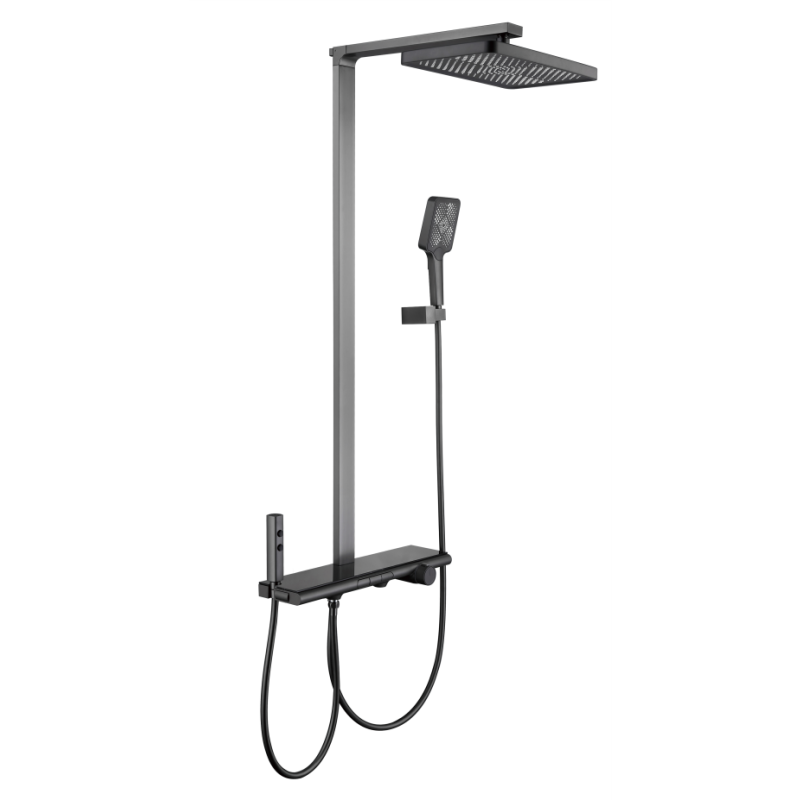
Shower system durability in daily use depends on multiple interconnected factors that determine how long your bathroom fixture will perform reliably. Understanding these factors helps homeowners and facility managers make informed decisions about installation, maintenance, and replacement cycles. Shower system durability is influenced by material quality, water chemistry, installation practices, usage patterns, and ongoing maintenance routines. Each of these elements plays a critical role in extending the lifespan of your shower investment.
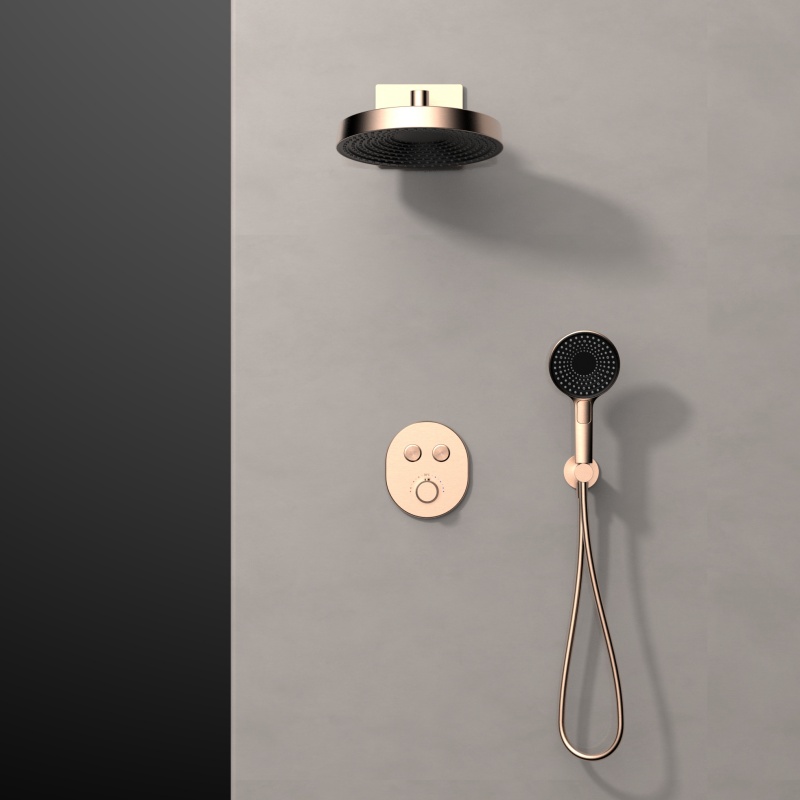
The longevity of any shower system depends fundamentally on how well you understand and manage these contributing factors. Shower system durability can range from a few years to several decades based on the choices you make today. By addressing material selection, water conditions, and maintenance protocols early, you can significantly improve the overall durability and reliability of your shower installation. This comprehensive guide explores the key factors that impact shower system durability and provides actionable insights for maximizing performance.
Material Quality and Component Selection
Brass and Metal Alloy Standards
The materials used in your shower system form the foundation of shower system durability. High-quality brass and copper alloys resist corrosion far better than lower-grade metals, directly affecting how long your system lasts. Shower system durability improves dramatically when manufacturers use premium alloys that withstand constant water exposure and temperature fluctuations. Look for components that meet or exceed industry standards for metal purity and corrosion resistance to ensure your shower system durability remains strong over decades.
Stainless steel components also enhance shower system durability by providing superior resistance to rust and degradation. The valve body, cartridge, and internal seals must be constructed from materials specifically chosen for bathroom environments. Shower system durability is compromised when budget materials are used, leading to premature failure, leaks, and costly repairs. Investing in certified materials is one of the most direct ways to guarantee extended shower system durability.
Seals, Gaskets, and Internal Components
Internal seals and gaskets directly determine how well your shower system resists water leakage and maintains pressure consistency. Shower system durability depends heavily on the quality and composition of these often-overlooked components. Elastomer materials used in seals must be selected for compatibility with your water chemistry and temperature ranges. Premium gasket materials extend shower system durability by maintaining watertight performance even after years of thermal cycling and pressure changes.
The cartridge mechanism inside your mixer valve is critical to shower system durability. Advanced ceramic cartridges provide superior wear resistance and maintain smooth operation longer than traditional designs. Shower system durability can fail rapidly if cartridge materials are inadequate, resulting in drips, leaks, and reduced flow control. Selecting systems with reinforced internal components is essential for protecting your long-term shower system durability investment.
Water Chemistry and Environmental Factors
Hard Water and Mineral Buildup
Hard water containing high mineral concentrations poses one of the most significant threats to shower system durability. Calcium and magnesium deposits accumulate on showerheads, valve openings, and internal passages, gradually compromising shower system durability. Shower system durability suffers when mineral scaling restricts water flow and creates blockages in critical components. Understanding your local water hardness level is essential for predicting how mineral buildup will affect shower system durability over time.
Installing a water softener or point-of-use filtration system dramatically improves shower system durability in hard water regions. Mineral removal protects internal valve mechanisms and maintains spray pattern consistency throughout the system's lifespan. Shower system durability in hard water areas can be nearly doubled by addressing mineral content proactively. Regular descaling procedures also help maintain shower system durability when water softening solutions aren't available.
pH Balance and Chemical Corrosion
Water pH levels directly influence the corrosive environment inside your shower system. Acidic water accelerates corrosion of metal components and compromises shower system durability significantly. Shower system durability is protected when water pH remains in the neutral range of 6.5 to 7.5. Testing your water chemistry helps predict potential shower system durability issues before they develop into expensive failures.
Chlorine and other disinfectants in municipal water supplies can accelerate degradation of rubber seals and internal components. Shower system durability in chlorinated water requires materials specifically rated for chemical resistance. Shower system durability is enhanced by selecting components engineered to withstand common municipal water treatments. Understanding your water composition allows you to choose systems specifically designed for your local conditions.
Installation Quality and Usage Patterns
Professional Installation and Mounting Integrity
Proper installation is absolutely critical to achieving optimal shower system durability. Incorrect mounting angles, insufficient bracing, or improper plumbing connections create stress points that compromise shower system durability. Shower system durability improves significantly when installation follows manufacturer specifications and current plumbing codes. Professional installers understand how to position components to minimize strain and maximize shower system durability throughout normal use.
Vibration from water hammer and pressure surges damages internal components if your shower system durability isn't protected by proper installation practices. Anti-vibration brackets and pressure-stabilizing devices extend shower system durability by absorbing mechanical stress. Shower system durability fails prematurely when these protective measures are omitted during installation. Ensuring your shower system durability is protected requires attention to every connection point and mounting location.
Daily Usage Patterns and Temperature Extremes
How frequently and intensely your shower system is used directly impacts shower system durability over time. Commercial facilities experience accelerated wear compared to residential homes due to heavy usage patterns that stress shower system durability. Shower system durability degrades faster in high-traffic environments where the system operates multiple hours daily. Understanding expected usage levels helps predict how long shower system durability will remain acceptable in your specific application.
Extreme temperature swings create thermal stress that reduces shower system durability and can cause premature valve failure. Rapid transitions between hot and cold water stress internal seals and weaken metal connections. Shower system durability is best maintained when temperature variations remain moderate and consistent. Homes with extremely hot water heaters or unpredictable water temperature may experience reduced shower system durability despite using quality components.
Maintenance Protocols and Preventive Care
Regular Cleaning and Descaling
Routine maintenance is one of the most cost-effective ways to preserve shower system durability throughout its lifespan. Monthly cleaning prevents mineral accumulation that gradually compromises shower system durability and reduces water flow quality. Shower system durability improves when you remove buildup from showerheads and aerators regularly. Simple maintenance procedures directly translate to years of extended shower system durability and reliable performance.
Professional descaling services help restore shower system durability when mineral buildup becomes severe. Annual inspections catch early signs of corrosion or seal degradation before they significantly impact shower system durability. Shower system durability can be restored in many cases through targeted cleaning and component replacement. Preventive care is dramatically more cost-effective than replacing entire systems due to neglected shower system durability issues.
Component Replacement and System Updates
Replacing worn cartridges and seals maintains shower system durability far longer than waiting for system failure. Most shower systems achieve extended shower system durability when internal components are refreshed every five to seven years. Shower system durability can often be restored to near-original performance through strategic component upgrades. Planning replacement schedules based on manufacturer recommendations protects your investment in shower system durability.
Modernizing older systems with updated components improves shower system durability and performance simultaneously. Newer materials and valve designs often provide superior water efficiency and extended shower system durability compared to original equipment. Shower system durability benefits from technological improvements when older components are systematically upgraded. This approach extends the overall lifespan while improving daily shower experience and water conservation.
FAQ
What is the average lifespan of a shower system with proper maintenance?
A well-maintained shower system can last 15 to 25 years or more, depending on water quality and usage intensity. Shower system durability typically ranges from 10 to 20 years in residential applications with moderate care. Premium materials and consistent maintenance can extend shower system durability beyond 25 years in favorable conditions. Hard water and heavy commercial use may reduce this timeframe unless specific protective measures are implemented to maintain shower system durability.
How does water hardness affect shower system durability?
Water hardness causes mineral buildup that gradually clogs and corrodes internal components, significantly reducing shower system durability. In very hard water areas, shower system durability may be cut in half without filtration or water softening solutions. Shower system durability is protected by installing point-of-use filters or water softeners that remove mineral content. Regular descaling also helps manage mineral deposits to maintain acceptable shower system durability in hard water environments.
Can I extend shower system durability through DIY maintenance?
Yes, simple DIY maintenance including regular cleaning, descaling, and visual inspections significantly improves shower system durability. Monthly cleaning of showerheads and aerators prevents mineral accumulation and maintains shower system durability. Watching for early signs of leaks or reduced pressure helps catch problems before they compromise shower system durability. Annual professional inspections combined with consistent DIY maintenance provides optimal shower system durability and long-term reliability.