EN
EN
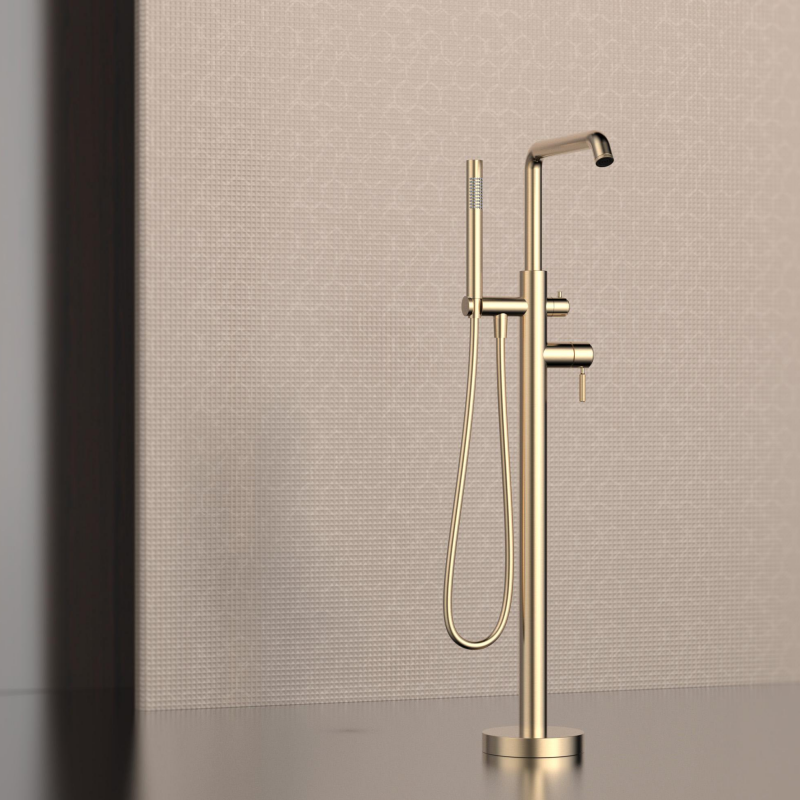
A well-functioning bath shower system is essential for daily comfort and hygiene, yet many homeowners encounter frustrating issues that disrupt their routines. Whether you own a modern bath shower setup or are considering upgrades, understanding common problems can save you thousands in repairs and replacement costs. The most prevalent bath shower issues stem from poor installation, inadequate maintenance, mineral buildup, and material degradation. By learning what causes these problems and implementing preventive strategies, you can extend the lifespan of your bath shower components and maintain consistent performance.
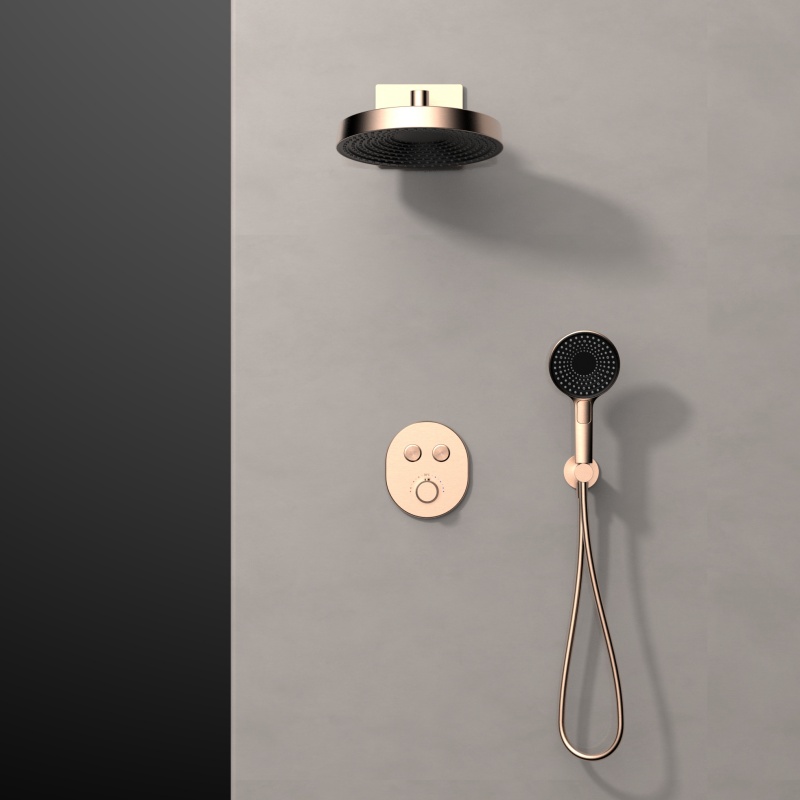
The complexity of modern bath shower systems involves multiple interconnected components working together under pressure and exposure to moisture. From brass mixer valves to rainfall showerheads, each element plays a critical role in delivering the desired water temperature, pressure, and flow. When any part of your bath shower fails, the entire experience deteriorates, and water waste increases significantly. This guide explores the most common bath shower challenges homeowners face and provides actionable prevention techniques grounded in industry best practices.
Understanding Common Bath Shower Leaks and Drips
Identifying Leakage Points in Bath Shower Systems
Leaks represent the most frequent complaint among bath shower users worldwide. Water dripping from your bath shower faucet or mixing valve indicates worn-out seals, corroded washers, or internal valve damage. These leaks often start small but escalate quickly, wasting thousands of gallons annually and driving up water bills. A bath shower leak at the connection points where pipes meet fixtures is particularly common because these joints experience constant pressure fluctuations. High-quality brass components used in modern bath shower setups help reduce leakage, but even premium materials require proper installation and regular inspection.
Root Causes Behind Bath Shower Leaks
Several factors contribute to bath shower leaks developing over time. Mineral deposits from hard water accumulate inside your bath shower valves, restricting water flow and creating pressure imbalances that stress seals. Temperature fluctuations cause expansion and contraction of bath shower pipes, which gradually loosens compression fittings and creates micro-gaps where water escapes. Improper installation remains a leading cause—if your bath shower was fitted without using thread seal tape or appropriate torque specifications, leaks become inevitable. Additionally, using incompatible materials in your bath shower assembly can accelerate corrosion and seal degradation. Regular flushing and descaling of your bath shower system prevents most leakage issues before they become expensive.
Temperature Control and Pressure Problems in Bath Shower Design
Addressing Inconsistent Water Temperature in Bath Shower Systems
Experiencing sudden temperature swings during your bath shower is uncomfortable and potentially dangerous, especially for elderly users or children. This problem occurs when your bath shower thermostatic valve fails to maintain consistent mixing ratios between hot and cold water supply lines. Mineral buildup inside your bath shower cartridge restricts water movement, causing the valve to respond sluggishly to adjustment attempts. Some bath shower systems suffer from pressure imbalance when one supply line delivers water at higher pressure than the other, overwhelming the mixing mechanism. Checking your bath shower supply lines for blockages and ensuring balanced water pressure from both hot and cold sources resolves most temperature inconsistency issues. Installing a quality bath shower mixing valve with integrated thermostatic controls significantly improves reliability.
Low Pressure and Flow Issues in Bath Shower Performance
Reduced water pressure in your bath shower diminishes the showering experience and can indicate serious underlying problems. Sediment and mineral deposits accumulate in bath shower aerators and showerheads, blocking water passages and reducing flow rates progressively. Your bath shower pressure may also decrease if supply pipes contain corrosion or scale buildup restricting water passage. Checking your home's main water valve to ensure it remains fully open helps rule out system-wide pressure issues affecting your bath shower. Many modern bath shower designs include removable aerators specifically designed for easy cleaning and sediment removal. If your bath shower still shows low pressure after cleaning aerators, the problem likely resides in internal valve components or main supply lines requiring professional inspection.
Preventing Material Degradation and Corrosion in Bath Shower Systems
Protecting Metals and Finishes from Bath Shower Corrosion
Constant moisture exposure and temperature changes accelerate corrosion in bath shower fixtures, particularly those made from lower-grade metals or plated materials. Brass represents the preferred choice for bath shower components because it naturally resists corrosion and maintains aesthetic appeal over decades. However, even premium brass bath shower systems can develop patina or discoloration without proper care and maintenance routines. Moisture-trapping areas around your bath shower valve connections and behind showerhead mounts create ideal conditions for rust and oxidation. Regular inspection of your bath shower for discolored spots, white mineral deposits, or green verdigris indicates corrosion progression. Wiping down your bath shower fixtures after use removes standing water and salt deposits that accelerate material breakdown significantly.
Maintaining Seals and Cartridge Components in Bath Shower Units
The internal cartridge and seals within your bath shower mixing valve represent the most critical components requiring protection from degradation. Hard water minerals crystallize inside your bath shower cartridge channels, eventually restricting movement and causing valve stiffness. Rubber and silicone seals degrade over time due to temperature cycling, chlorine exposure, and mineral contact within your bath shower system. Replacing bath shower cartridges proactively every seven to ten years prevents sudden failures and maintains consistent performance. Using water softening systems or installing dedicated filters upstream of your bath shower reduces mineral exposure significantly. Periodic flushing of your bath shower supply lines dislodges sediment before particles accumulate and damage internal valve mechanisms.
FAQ
How often should I clean my bath shower system to prevent issues?
Clean your bath shower aerator and showerhead monthly by soaking them in white vinegar to dissolve mineral deposits. Inspect your bath shower mixer valve connections quarterly for leaks or corrosion signs. Perform a complete flushing of your bath shower supply lines annually to remove accumulated sediment before problems develop.
What is the lifespan of a typical bath shower cartridge?
A quality bath shower cartridge typically lasts seven to ten years under normal usage conditions. Hard water environments can reduce bath shower cartridge lifespan to five to seven years as mineral buildup accelerates wear. Premium cartridges designed for bath shower systems in challenging water conditions may extend functional life to twelve years or longer.
Can I repair bath shower leaks myself or should I hire a professional?
Simple bath shower repairs like cleaning aerators or replacing washers can be handled by homeowners with basic tools and instructional resources. More complex bath shower issues involving cartridge replacement or internal valve problems should be addressed by licensed plumbers to ensure proper installation and system protection. Professional bath shower inspections identify potential problems before they cause costly water damage.