EN
EN
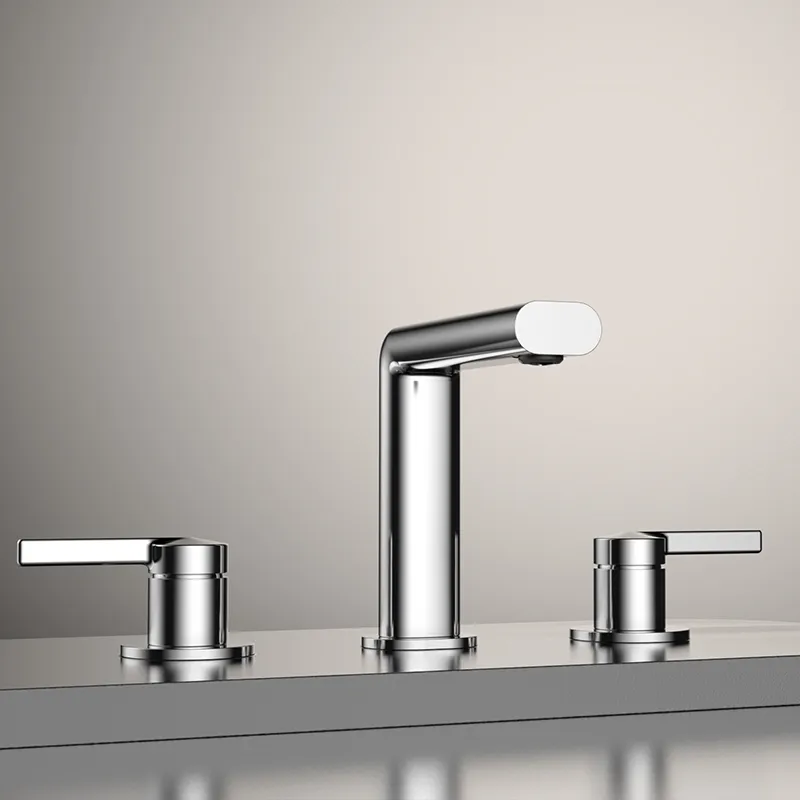
Large-scale supply projects for basin faucets require careful consideration of multiple interconnected factors that influence both immediate procurement decisions and long-term operational success. Whether outfitting commercial buildings, hospitality venues, or residential developments, the selection process extends far beyond basic functionality to encompass durability standards, cost optimization strategies, and supply chain reliability that can make or break project timelines and budgets.
Understanding these critical selection factors becomes essential for procurement managers, project developers, and facility managers who must balance performance requirements with financial constraints while ensuring consistent quality across hundreds or thousands of units. The complexity of large-scale basin faucet procurement involves technical specifications, supplier capabilities, maintenance considerations, and regulatory compliance that collectively determine project success and operational efficiency over the product lifecycle.
Technical Specifications and Performance Requirements
Flow Rate and Water Efficiency Standards
Large-scale basin faucet selection begins with establishing precise flow rate requirements that align with both user expectations and regulatory compliance standards. Modern commercial and residential projects typically require basin faucets with flow rates between 0.5 to 2.2 gallons per minute, depending on application context and local water conservation mandates. Projects targeting LEED certification or similar sustainability benchmarks often specify low-flow basin faucet models that maintain user satisfaction while achieving significant water savings across the entire facility.
The pressure compensation capabilities of each basin faucet become particularly critical in large buildings where water pressure variations occur between different floors and zones. Supply-side considerations must account for consistent performance across varying pressure conditions, ensuring that every basin faucet delivers reliable operation regardless of building height or system demand fluctuations. This technical requirement often influences the internal valve design and pressure regulation mechanisms that suppliers must guarantee across large order quantities.
Durability and Cycle Testing Requirements
Commercial-grade basin faucets selected for large-scale supply must demonstrate proven durability through standardized cycle testing that simulates years of operational use within compressed timeframes. Industry-standard testing typically involves 500,000 to 1,000,000 operation cycles for each basin faucet, ensuring that internal components, seals, and moving parts maintain functionality under sustained use patterns typical of high-traffic environments.
Material specifications for large-scale basin faucet procurement often mandate corrosion-resistant brass bodies, ceramic disc cartridges, and premium plating finishes that withstand daily cleaning protocols and environmental exposure. The selection process must verify that each basin faucet meets or exceeds ASME A112.18.1/CSA B125.1 standards, providing documented assurance of performance reliability that justifies the investment across hundreds or thousands of units in a single project.
Supply Chain and Procurement Logistics
Manufacturing Capacity and Lead Time Management
Large-scale basin faucet procurement requires suppliers with demonstrated manufacturing capacity to fulfill substantial order quantities within project construction schedules. Successful selection involves evaluating supplier production capabilities, quality control systems, and inventory management processes that can accommodate order sizes ranging from hundreds to tens of thousands of basin faucets while maintaining consistent quality standards throughout the production run.
Lead time reliability becomes a critical selection factor when basin faucet delivery schedules must align with construction milestones and installation sequences. Suppliers must provide realistic production schedules that account for raw material procurement, manufacturing processes, quality testing, and shipping logistics that collectively determine project timeline feasibility. Experienced suppliers often maintain strategic inventory levels of popular basin faucet models to reduce lead times for large-scale orders.
Quality Assurance and Batch Consistency
Quality control protocols for large-scale basin faucet supply must ensure batch-to-batch consistency across the entire order quantity, eliminating variations in finish quality, operational performance, and dimensional accuracy that could compromise installation efficiency or aesthetic uniformity. Supplier selection criteria should include documented quality management systems, statistical process control capabilities, and pre-shipment inspection procedures that verify every basin faucet meets specified performance standards.
Advanced suppliers implement serialized tracking systems that enable quality traceability throughout the manufacturing and supply chain process, providing procurement managers with detailed documentation of each basin faucet production batch and quality verification results. This level of documentation becomes essential for warranty administration and performance analysis across large installations where individual unit failures must be quickly identified and resolved.
Cost Structure and Value Engineering
Total Cost of Ownership Analysis
Large-scale basin faucet selection requires comprehensive total cost of ownership analysis that extends beyond initial purchase price to encompass installation costs, maintenance requirements, replacement part availability, and operational efficiency over the expected product lifecycle. Projects with hundreds or thousands of basin faucets must evaluate how small differences in unit costs multiply across the entire installation, while also considering long-term operational expenses that could significantly impact facility management budgets.
Energy efficiency considerations become increasingly important in large-scale basin faucet procurement, particularly for models with electronic controls or sensor activation systems that consume electrical power throughout their operational life. The selection process must evaluate power consumption patterns, battery life for wireless models, and maintenance requirements for electronic components that could generate ongoing operational costs across hundreds of installed basin faucets.
Volume Pricing and Contract Negotiation Strategies
Large-scale basin faucet procurement typically involves complex pricing structures that reward volume commitments through tiered discount schedules, but these arrangements require careful analysis to ensure that quantity breaks align with actual project requirements and budget constraints. Successful negotiations often include price protection clauses, delivery schedule guarantees, and performance warranties that provide project security while achieving optimal cost per unit across the entire basin faucet order.
Contract terms for large-scale basin faucet supply should address quality standards, replacement obligations, technical support availability, and warranty administration procedures that protect project interests while establishing clear supplier responsibilities. Experienced procurement managers often negotiate extended warranty coverage, expedited replacement procedures, and on-site technical support that justify premium pricing through reduced project risk and operational support benefits.
Installation and Maintenance Considerations
Installation Standardization and Contractor Training
Large-scale basin faucet installations benefit significantly from product standardization that reduces installation complexity, minimizes contractor training requirements, and streamlines inventory management for replacement parts and maintenance supplies. Selection criteria should prioritize basin faucet models with consistent mounting configurations, standard supply connections, and simplified installation procedures that enable efficient work progression across hundreds of installation points.
Supplier support for large-scale basin faucet installations often includes contractor training programs, installation guides, and technical support services that ensure proper installation procedures are followed consistently throughout the project. These support services become particularly valuable when installing advanced basin faucet models with electronic controls, pressure balancing systems, or specialized mounting requirements that require specific expertise and attention to detail.
Maintenance Accessibility and Service Requirements
Long-term maintenance considerations for large-scale basin faucet installations require selection of models with accessible service points, standardized repair procedures, and readily available replacement parts that enable efficient facility management operations. Basin faucets with serviceable cartridges, accessible supply connections, and common maintenance tools reduce service time and costs across large installations where multiple units may require simultaneous attention.
Preventive maintenance programs for large-scale basin faucet installations depend on supplier support for maintenance schedules, recommended service procedures, and replacement part forecasting that helps facility managers anticipate maintenance requirements and budget appropriately. Suppliers who provide comprehensive maintenance documentation, training materials, and parts availability guarantees offer significant operational advantages for projects with hundreds or thousands of basin faucets requiring ongoing service attention.
Regulatory Compliance and Certification Requirements
Plumbing Code Compliance and Regional Standards
Large-scale basin faucet procurement must ensure compliance with applicable plumbing codes, water efficiency standards, and accessibility requirements that vary by jurisdiction and building type. Commercial projects often require basin faucets certified to specific performance standards such as WaterSense labeling, ADA compliance, and local water conservation mandates that influence product selection and supplier qualification criteria.
International projects may require basin faucets certified to multiple regional standards, creating complex compliance requirements that influence supplier selection and product availability. Successful procurement strategies often involve early identification of applicable standards and supplier capabilities to meet diverse certification requirements without compromising project schedules or increasing costs through specialized compliance procedures.
Environmental and Sustainability Certifications
Green building certification programs such as LEED, BREEAM, and local sustainability standards increasingly influence basin faucet selection criteria for large-scale projects seeking environmental performance recognition. These certifications often require documented water efficiency performance, recycled content verification, and lifecycle environmental impact assessments that must be supported by supplier documentation and third-party verification procedures.
Sustainable procurement policies for large-scale basin faucet selection may prioritize suppliers with documented environmental management systems, carbon footprint reduction programs, and sustainable manufacturing practices that align with project sustainability goals. These considerations often influence supplier selection criteria beyond product performance to encompass corporate environmental responsibility and supply chain sustainability practices.
FAQ
How do volume requirements affect basin faucet pricing for large-scale projects?
Large-scale basin faucet procurement typically achieves significant cost reductions through volume pricing tiers that can range from 15% to 40% below standard retail pricing, depending on order quantities and supplier relationships. Projects requiring 500 or more basin faucets often qualify for manufacturer direct pricing, while orders exceeding 1,000 units may access custom manufacturing runs with specialized finishes or configurations at competitive unit costs.
What quality control measures ensure consistency across large basin faucet orders?
Professional suppliers implement statistical sampling procedures that test predetermined percentages of each production batch for dimensional accuracy, finish quality, and operational performance. Large-scale basin faucet orders often include pre-production samples, mid-production quality reviews, and final inspection reports that document consistency across the entire order quantity and provide quality assurance documentation for project records.
How should maintenance requirements influence basin faucet selection for large installations?
Large-scale basin faucet installations should prioritize models with standardized cartridge systems, accessible supply connections, and common replacement parts that enable efficient facility maintenance operations. Selection criteria should evaluate service intervals, parts availability, and maintenance tool requirements to minimize long-term operational costs and ensure consistent performance across hundreds or thousands of installed units.
What supplier qualifications are essential for large-scale basin faucet procurement?
Qualified suppliers for large-scale basin faucet procurement must demonstrate manufacturing capacity for substantial order quantities, quality management systems with documented procedures, and established distribution networks capable of managing complex delivery schedules. Additional qualifications include technical support capabilities, warranty administration systems, and replacement parts inventory management that support long-term project requirements beyond initial delivery.
Table of Contents
- Technical Specifications and Performance Requirements
- Supply Chain and Procurement Logistics
- Cost Structure and Value Engineering
- Installation and Maintenance Considerations
- Regulatory Compliance and Certification Requirements
-
FAQ
- How do volume requirements affect basin faucet pricing for large-scale projects?
- What quality control measures ensure consistency across large basin faucet orders?
- How should maintenance requirements influence basin faucet selection for large installations?
- What supplier qualifications are essential for large-scale basin faucet procurement?