Caracteristici complete de protecție a siguranței
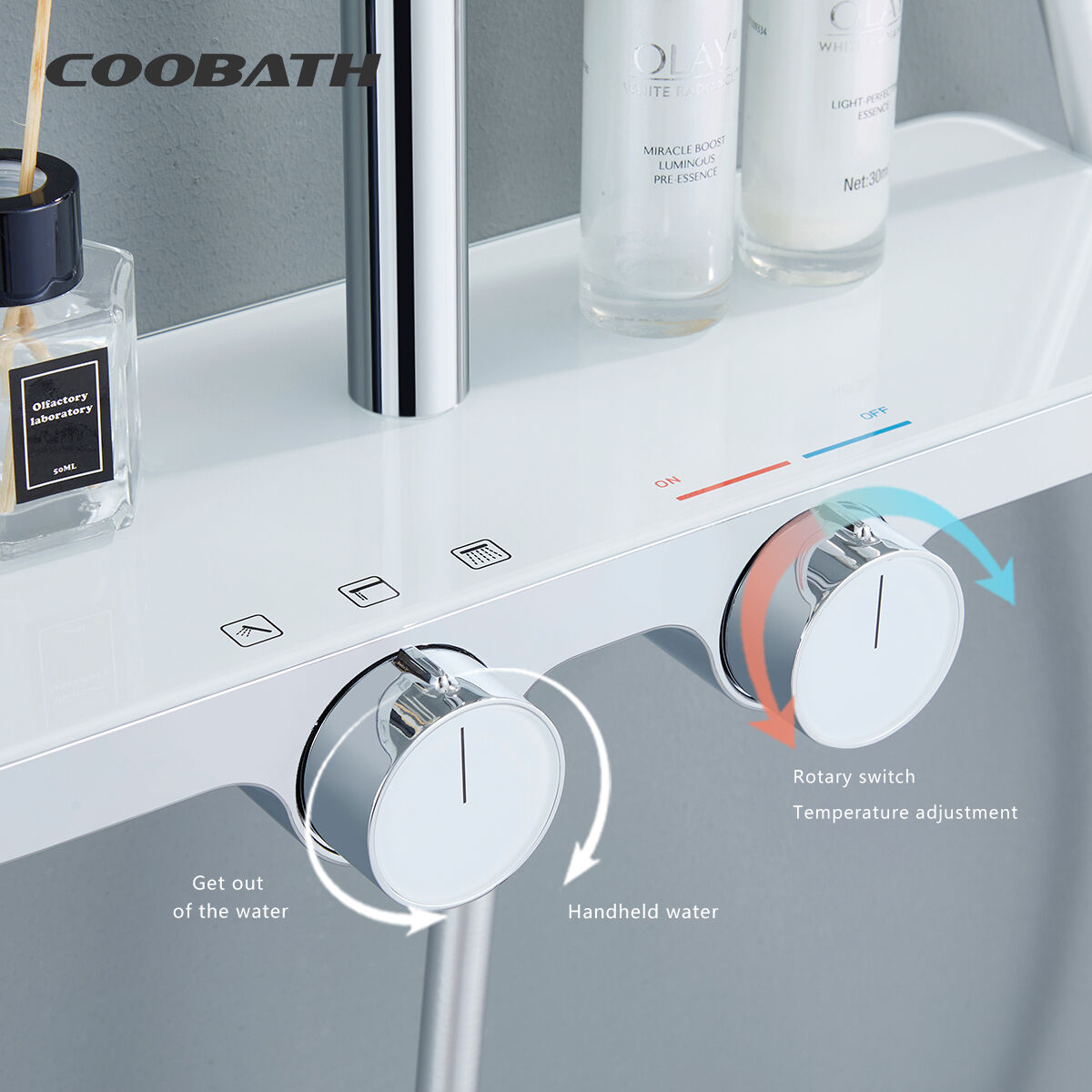
Siguranța reprezintă preocuparea cea mai importantă în proiectarea termostatelor pentru dușuri de baie, integrând mai multe straturi de protecție pentru a preveni accidentele și a asigura bunăstarea utilizatorilor din toate grupele de vârstă și cu orice tip de capacitate fizică. Caracteristica principală de siguranță a oricărui termostat pentru duș de baie este mecanismul său de protecție împotriva arsurilor, care previne automat ca temperatura apei să depășească nivelurile sigure, indiferent de fluctuațiile sistemului de apă caldă sau de erorile comise de utilizator. Acest sistem de siguranță al termostatului pentru duș de baie limitează, de obicei, temperatura maximă a apei la 38–40 de grade Celsius, cu mult sub pragul care ar putea provoca arsuri sau disconfort. Protecția se activează automat, fără intervenția utilizatorului, ceea ce o face deosebit de valoroasă în gospodăriile cu copii mici, persoane în vârstă sau indivizi cu mobilitate redusă sau cu deficiențe senzoriale. În afară de limitarea temperaturii, unitățile termostatice pentru duș de baie includ și protecție împotriva șocurilor termice, care previne modificările brusc de temperatură atunci când presiunea apei reci scade datorită descărcării vasului de toaletă, funcționării mașinii de spălat sau altor cerințe casnice de apă. Termostatul pentru duș de baie răspunde acestor variații de presiune ajustând automat debitul de apă caldă pentru a menține o temperatură stabilă la ieșire, evitând astfel creșterile periculoase de temperatură care apar frecvent la robinetele clasice de amestec. Protecția împotriva întreruperii apei reci reprezintă o altă caracteristică esențială de siguranță integrată în sistemele de termostate de calitate pentru dușuri de baie. Dacă alimentarea cu apă rece este întreruptă din cauza întreținerii, a unei defecțiuni a sistemului sau a unor probleme legate de aprovizionare, termostatul pentru duș de baie închide automat întregul debit de apă, în loc să permită trecerea apei fierbinți prin duză, ceea ce ar putea cauza arsuri grave. Acest mecanism de siguranță a prevenit nenumărate leziuni prin arsuri în aplicații rezidențiale și comerciale. Multe modele de termostate pentru duș de baie includ indicatori vizuali și tactili de siguranță, cum ar fi afișaje sensibile la temperatură sau mâneri ergonomice care oferă un feedback clar privind setările actuale de temperatură. Unele sisteme avansate dispun de protecție împotriva suprascrierii, care necesită o acțiune deliberată din partea utilizatorului pentru a depăși limitele standard de temperatură, prevenind astfel reglarea accidentală la niveluri periculoase. Materialele utilizate în fabricarea termostatelor pentru duș de baie prioritizează, de asemenea, siguranța, folosind corpuri din alamă fără plumb, componente interne rezistente la coroziune și finisuri de suprafață netede care elimină marginile ascuțite sau punctele potențiale de risc pentru leziuni.


 EN
EN