EN
EN
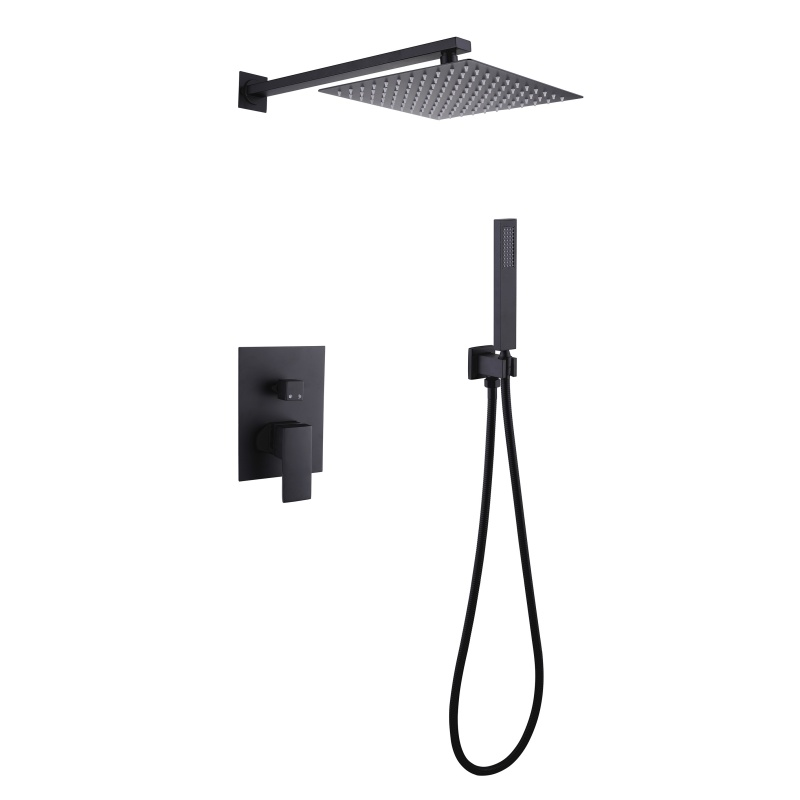
Gdy właściciele domów i projektanci kładą nacisk na elegancką estetykę ukrytej ukryty prysznic instalacji, zazwyczaj skupiają się na natychmiastowych korzyściach wizualnych — czystych liniach, niezatłoczonych ścianach łazienki oraz nowoczesnej, podobnej do spa atmosferze. Jednak decyzja o zainstalowaniu ukrytego systemu prysznicowego wiąże się z dalekosiężnymi konsekwencjami dla strategii konserwacji w długim okresie, łatwości dostępu do napraw oraz ogólnego doświadczenia użytkownika. Zrozumienie, w jaki sposób te ukryte systemy zaworów wpływają na wymagania serwisowe, staje się kluczowe dla wszystkich, którzy rozważają tę opcję projektową, szczególnie w ramach remontów mieszkalnych oraz komercyjnych projektów hotelarskich, gdzie przestoje i koszty napraw bezpośrednio wpływają na efektywność operacyjną.
Podstawowym wyzwaniem związanym z ukrytymi prysznicami jest rzeczywistość architektoniczna, zgodnie z którą kluczowe elementy instalacji sanitarnej — zawory termostatyczne, wkłady mieszające, mechanizmy rozdzielaczy oraz urządzenia do równoważenia ciśnienia — są celowo wbudowywane w przestrzenie ścian podczas budowy. Ta filozofia projektowania generuje naturalne napięcie między estetycznym minimalizmem a praktyczną możliwością serwisowania, z którym każdy właściciel nieruchomości musi się zmierzyć przez cały okres użytkowania tego wyposażenia. Pytanie wykracza poza proste kwestie dostępu i obejmuje także skutki dla gwarancji, sytuacje awaryjnych napraw, elastyczność przy remontach oraz wyspecjalizowaną wiedzę niezbędną do interwencji, które w przypadku systemów odsłoniętych byłyby proste.
Zrozumienie architektury ukrytych systemów prysznicowych oraz punktów dostępu
Konfiguracja wewnętrznych komponentów za gotowymi ścianami
Ukryty system prysznicowy integruje wiele elementów funkcjonalnych w konstrukcji ściany, zazwyczaj umieszczonych między słupkami lub w specjalnie wyprofilowanych przestrzeniach. Główny korpus zaworu mieszającego łączy się bezpośrednio z przewodami doprowadzającymi ciepłą i zimną wodę, a termostatyczny mechanizm sterujący reguluje temperaturę za pomocą wewnętrznego wkładu, który reaguje na wahania ciśnienia i temperatury. Zespół rozdzielacza, który kieruje przepływ wody między górnymi deszczownicami, ręcznymi dyszami i dyszami natryskowymi, jest całkowicie ukryty. Na wykończonej powierzchni łazienki widoczne są jedynie listwa wykończeniowa, uchwyty sterujące i przyłącza odpływowe.
Głębokość montażu ukrytego prysznica zwykle mieści się w zakresie od trzech do sześciu cali w głąb wnęki ściany, w zależności od wymiarów ciała zaworu oraz lokalnych przepisów dotyczących instalacji sanitarnej. Takie zapadanie w ścianę wymaga albo zbudowania całej sekcji ściany w celu uwzględnienia głębokości urządzenia, albo wykorzystania istniejącej grubości ściany w budownictwie murowym. Obszar otaczający urządzenie musi zapewniać wystarczającą wolną przestrzeń na rozszerzanie cieplne, połączenia przewodów wodociągowych oraz ewentualny przyszły serwis. W wielu wysokiej klasy instalacjach stosuje się dedykowane panele dostępu umieszczone na sąsiednich ścianach lub w przestrzeniach szafek, choć takie rozwiązania pozostają opcjonalne w wielu przepisach budowlanych i często pomijane w projektach realizowanych przy ograniczonym budżecie.
Istotna różnica między instalacjami umożliwiającymi serwis a całkowicie zamkniętymi
Skutki konserwacyjne ukrytego prysznica różnią się znacznie w zależności od tego, czy instalacja obejmuje zaprojektowane otwory serwisowe. Systemy zainstalowane z panelami dostępu umieszczonymi z tyłu ściany, zwykle w sąsiednich szafkach lub pomieszczeniach technicznych, pozwalają technikom na dostęp do elementów zaworu bez uszkadzania wykończonych powierzchni łazienki. Takie projekty uwzględniające dostęp stanowią najlepszą praktykę przy instalacji ukrytych pryszniców, umożliwiając wymianę wkładów, serwisowanie uszczelek oraz inspekcję komponentów bez konieczności wykonywania prac rozbiórkowych. Podejście z użyciem paneli dostępu łączy estetyczne ukrycie urządzenia z praktycznymi wymaganiami konserwacyjnymi.
Z drugiej strony całkowicie zamknięte, ukryte instalacje prysznicowe, które nie posiadają dedykowanych punktów dostępu, powodują znacznie bardziej skomplikowane scenariusze konserwacji. Gdy zawory termostatyczne ulegają awarii, uszczelki zużywają się lub wymagane jest wymienienie wewnętrznych komponentów, technicy muszą albo zdjąć pokrywę dekoracyjną i próbować wykonać serwis z przodu – co okazuje się niemożliwe w przypadku wielu czynności naprawczych – albo przeciąć gotowe powierzchnie ścian, aby uzyskać dostęp do ciała zaworu. Ta podstawowa decyzja projektowa, podjęta w trakcie początkowej instalacji, określa rzeczywistość konserwacyjną całej armatury na cały okres jej eksploatacji, który zwykle wynosi od piętnastu do dwudziestu pięciu lat, zanim stanie się konieczna pełna wymiana systemu.
Wymagania regulacyjne oraz normy branżowe dotyczące dostępu do konserwacji
Kody budowlane i normy instalacyjne określają wymagania dotyczące dostępu do ukrytych zestawów prysznicowych z różnym stopniem szczegółowości w zależności od jurysdykcji. Międzynarodowy Kodeks Instalacji Sanitarnej (IPC) zaleca, lecz nie nakazuje powszechnie stosowania paneli dostępowych do ukrytych zaworów, pozostawiając ich interpretację organom lokalnym oraz procesom inspekcyjnym. W przypadku instalacji komercyjnych obowiązują zazwyczaj surowsze wymagania dotyczące dostępności niż w projektach mieszkaniowych, szczególnie w środowiskach hotelarskich, gdzie czas postoju konieczny do konserwacji wpływa bezpośrednio na generowanie przychodów. Zrozumienie obowiązujących wymogów prawnych przed ostatecznym zaprojektowaniem ukrytego zestawu prysznicowego pozwala uniknąć kosztownych modyfikacji po montażu, które mogą wyniknąć z uwag stawianych podczas kontroli inspekcyjnych.
Najlepsze praktyki branżowe zrzeszeń profesjonalnych instalatorów sanitarnej zgodnie zalecają zapewnienie dostępu serwisowego we wszystkich ukrytych instalacjach prysznicowych, niezależnie od minimalnych wymogów przepisów. Ta rekomendacja opiera się na dziesięcioleciach doświadczenia polowego z trudnościami w zakresie konserwacji, spornymi roszczeniami gwarancyjnymi oraz niezadowoleniem klientów wynikającym z niewystarczających rozwiązań serwisowych. Przemyśleni projektanci i wykonawcy prezentują teraz opcje paneli dostępu jako standardowe zalecenia, a nie dodatkowe ulepszenia, uznając, że wygoda początkowej instalacji nie powinna wpływać negatywnie na długoterminową serwisowalność. Skromny dodatkowy koszt integracji paneli dostępu – zwykle stanowiący mniej niż pięć procent całkowitych inwestycji w system prysznicowy – jest znikomy w porównaniu z kosztami przyszłych interwencji naprawczych.
Typowe trudności serwisowe charakterystyczne dla ukrytych systemów prysznicowych
Wymiana i kalibracja karty termostatycznej
Kartusz termostatyczny stanowi najczęściej serwisowany element w systemie, który zwykle wymaga wymiany co siedem do dwunastu lat w zależności od jakości wody i wzorców użytkowania. ukryty prysznic ten kluczowy element zapewnia stałą temperaturę dopływu wody poprzez automatyczne dostosowywanie proporcji mieszanki wody gorącej i zimnej w odpowiedzi na zmiany ciśnienia zasilania. Gdy wydajność kartusza ulega obniżeniu, użytkownicy doświadczają niestabilności temperatury, ograniczenia przepływu lub całkowitego awarii działania. Wymiana tego elementu w ukrytym systemie wymaga dostępu do wnętrza ciała zaworu – jest to prosta czynność przy zastosowaniu odpowiednich paneli dostępowych, lecz w przypadku ich braku staje się inwazyjną interwencją.
Proces wymiany wkładu obejmuje zamknięcie dopływu wody, odpompowanie nadmiarowego ciśnienia z przewodów, demontaż zespołu nakładki, wyjęcie zużytego wkładu, montaż nowego wkładu z odpowiednim uszczelnieniem oraz ponowną kalibrację ustawień temperatury. W przypadku braku bezpośredniego dostępu do tylnych portów serwisowych ciała zaworu technicy muszą pracować przez wąskie otwarcie z przodu, za płytą nakładki, manipulując elementami w ciasnej przestrzeni i przy ograniczonej widoczności. Niektóre konstrukcje ukrytych zaworów prysznicowych w ogóle nie pozwalają na wymianę wkładu z przodu ze względu na mechanizmy wewnętrznej blokady, które wymagają dostępu narzędzi do tylniej strony zaworu. W takich przypadkach przebicie ściany staje się nieuniknione, niezależnie od poziomu umiejętności technika.
Degradacja uszczelek i wykrywanie wewnętrznych przecieków
Uszczelki wewnętrzne w ukrytych zestawach zaworów prysznicowych stopniowo ulegają zużyciu w wyniku cykli temperaturowych, osadów mineralnych oraz oddziaływania chemicznego z dodatkami stosowanymi do uzdatniania wody. Gdy te elementy wykonane z materiałów elastomerowych tracą sprężystość, woda zaczyna przedostawać się przez zaprojektowane granice uszczelnienia – początkowo powodując niewielkie kroplenie, które stopniowo nasila się, przekształcając się w znaczne przecieki. Ukryty charakter tych instalacji powoduje niebezpieczne opóźnienie w wykrywaniu awarii – woda może przedostawać się do przestrzeni w ścianach przez tygodnie lub miesiące, zanim pojawi się widoczna ewidencja w postaci przebarwień ścian, plam na suficie pięter położonych niżej lub pleśni wokół obwodu armatury.
Diagnozowanie wewnętrznych przecieków w ukrytych instalacjach prysznicowych wymaga systematycznego testowania pod ciśnieniem, które pozwala określić, czy woda wycieka przez uszczelki korpusu zaworu, punkty połączenia dopływu lub połączenia zespołu wyjściowego. Technicy zwykle przeprowadzają statyczne testy pod ciśnieniem z izolowanymi sekcjami zaworu, obserwując spadki ciśnienia na manometrach jako wskaźnik występowania przecieków. Kamery termowizyjne pomagają zlokalizować anomalie temperaturowe sugerujące aktywny przepływ wody w przestrzeniach ścian. Jednak potwierdzenie dokładnego źródła przecieku oraz wykonanie naprawy niemal zawsze wymagają bezpośredniej inspekcji wizualnej elementów wewnętrznych, co ponownie prowadzi do podstawowego problemu dostępu charakterystycznego dla ukrytych konstrukcji. Wymiana niewielkiej uszczelki, która przy widocznej instalacji wodociągowej zajęłaby piętnaście minut, w przypadku układów ukrytych może wymagać kilku godzin prac diagnostycznych oraz otwarcia ściany.
Awaria mechanizmu rozdzielającego i problemy z rozdziałem przepływu
Wielopunktowe systemy prysznicowe z wieloma wyjściami zawierają mechanizmy rozdzielające, które przekierowują przepływ wody między różnymi punktami poboru – deszczownicami, ściennymi natryskami, ręcznymi dyszami i dedykowanymi napełniaczami wannowymi. Te rozdzielacze działają poprzez obrotowe wkłady, siłowniki typu push-pull lub elektroniczne zawory elektromagnetyczne, które kierują wodę pod ciśnieniem wyznaczonymi kanałami. Mechaniczne rozdzielacze zużywają się na wewnętrznych zasuwach i uszczelnieniach, co ostatecznie prowadzi do niepełnego przekierowania przepływu, gdzie woda nadal wypływa z wyjść, które powinny być zamknięte, lub do spadku ciśnienia, gdy wiele wyjść działa jednocześnie z powodu wewnętrznego obejścia.
Serwisowanie zespołów przekrętników w ukrytych prysznicach zwykle okazuje się bardziej skomplikowany niż wymiana wkładu, ponieważ korpusy przekrętników często są strukturalnie zintegrowane z głównym obudowaniem zaworu, a nie działają jako moduły do demontażu. Naprawy mogą wymagać rozbierania wielu sekcji zaworu, wymiany całych zespołów przekrętników zamiast pojedynczych komponentów lub ponownej konfiguracji trasy przepływu wody. Ograniczenia przestrzenne związane z montażem w ścianie znacznie ograniczają zakres dostępnych narzędzi i technik stosowanych przy takich interwencjach. Problemy z przekrętnikami często nasilają się do punktu, w którym konieczna staje się częściowa lub pełna wymiana korpusu zaworu – co przekształca naprawę na poziomie komponentu w duży projekt remontowy obejmujący usuwanie płytek, przywracanie izolacji wodnej oraz trudności związane z dopasowaniem wykończenia.
Strategiczne rozwiązania dostępu i podejścia projektowe do utrzymywania ukrytych prysznic
Metody integracji paneli dostępu z tyłu ściany
Najskuteczniejsze rozwiązanie serwisowe rozwiązanie dla ukrytych instalacji prysznicowych obejmuje montaż paneli dostępu w ścianach sąsiadujących z położeniem zaworu, zwykle w szafach garderobowych w sypialniach, korytarzach lub wydzielonych pomieszczeniach technicznych. Panele te obejmują od prostych, demontowalnych fragmentów tynku gipsowego mocowanych śrubami po architektonicznie wykonane drzwiczki dostępu z zamknięciem magnetycznym, które bezproblemowo wpasowują się w otaczającą obudowę stolarską. Wymiary paneli muszą uwzględniać nie tylko powierzchnię zajmowaną przez korpus zaworu, ale także zapewniać wystarczającą przestrzeń roboczą dla techników umożliwiającą obsługę narzędzi, demontaż elementów oraz umieszczanie części zamiennych w odpowiedniej pozycji – zazwyczaj wymagane są minimalne otwory o wymiarach osiemnaście na dwadzieścia cztery cala, aby zapewnić wygodną serwisowalność.
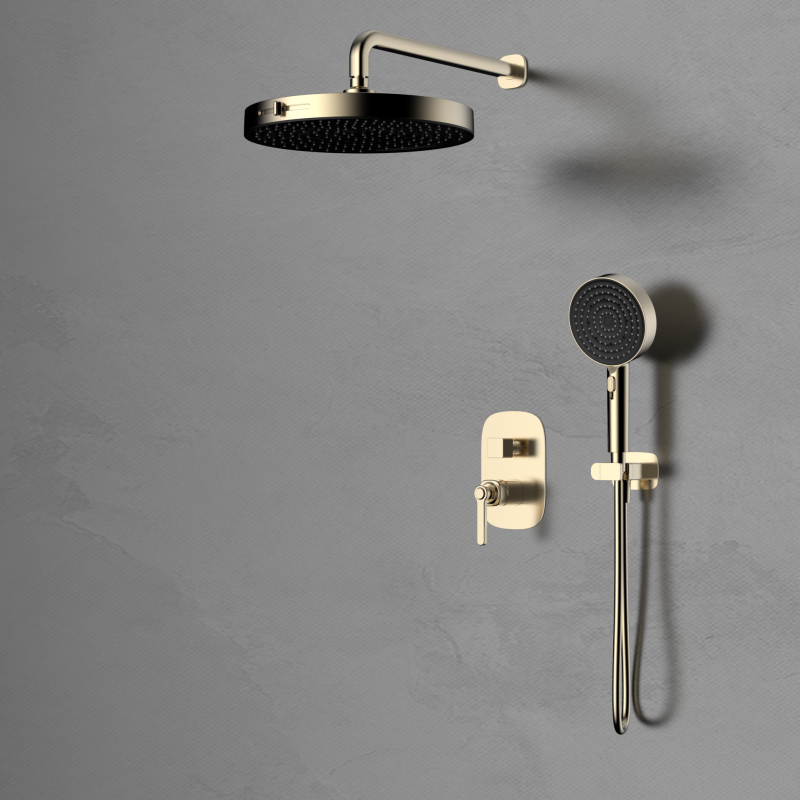
Strategiczne umiejscowienie paneli dostępu uwzględnia zarówno obecne potrzeby serwisowania zaworów, jak i potencjalne przyszłe modyfikacje instalacji sanitarnej. Umieszczanie paneli w taki sposób, aby ujawniały nie tylko ukryty zawór prysznicowy, ale także sąsiadujące przewody zasilające i połączenia odpływowe, zapewnia elastyczność przy rekonfiguracji łazienki bez konieczności dodatkowych przebić ścian. W głównych łazienkach przylegających do garderób typu walk-in projektowanie niestandardowych mebli łazienkowych z demontowalnymi tylnymi panelami zapewnia dyskretny dostęp serwisowy, zachowując przy tym pełną funkcjonalność garderoby. W nowych budynkach idealnym momentem na wprowadzenie takich rozwiązań dostępu jest etap szkieletowania, kiedy układ przestrzeni wewnątrz ścian jest jeszcze widoczny, a modyfikacje wymagają minimalnych dodatkowych nakładów pracy.
Modularne systemy zaworów z możliwością serwisowania od strony czołowej
Uznając problemy związane z konserwacją tradycyjnych ukrytych instalacji prysznicowych, kilku premium producentów opracowało obecnie systemy zaworów specjalnie zoptymalizowane pod kątem serwisowania z przodu przez otwór w płycie wykończeniowej. Te zaawansowane konstrukcje obejmują mechanizmy utrzymujące wkładki, które można zwolnić od strony czołowej, uszczelnienia dostępne bez konieczności dostępu do tylniej ściany oraz modułowe architektury komponentów umożliwiające technikom wymianę poszczególnych zespołów bez konieczności rozłączania połączonych ze sobą części. Choć nie eliminują one całkowicie wszystkich problemów związanych z konserwacją ukrytych instalacji, systemy te znacznie zmniejszają częstotliwość i złożoność interwencji wymagających przebicia ściany.
Przednie, serwisowane zawory prysznicowe ukryte zwykle mają wyższą cenę — często o dwadzieścia do czterdziesięciu procent wyższą niż tradycyjne jednostki ukryte — ale inwestycja ta okazuje się opłacalna przy uwzględnieniu kosztów konserwacji w całym okresie użytkowania. Właściciele nieruchomości powinni wyraźnie zażądać dokumentacji potwierdzającej możliwość serwisowania z przodu przed zakupem ukrytych systemów, ponieważ materiały marketingowe mogą podkreślać cechy estetyczne, dostarczając przy tym ograniczonych szczegółów technicznych dotyczących możliwości konserwacji. produkt wyboru pomaga określić, które konkretne operacje naprawcze można wykonać przez dostęp z przodu, a które nadal wymagają вскрыcia ściany, umożliwiając realistyczne planowanie konserwacji zgodne z konfiguracją budynku oraz ograniczeniami dostępu.
Hybrydowe konfiguracje odsłonięte-ukryte zapewniające równowagę w zakresie konserwacji
Powstający podejście projektowe łączy preferencje estetyczne z praktycznością konserwacji poprzez hybrydowe instalacje, które ukrywają główne korpusy zaworów, zachowując jednocześnie dostępność niektórych elementów wymagających serwisu. W takich konfiguracjach główny zawór mieszający termostatyczny może być umieszczony w ścianie, podczas gdy zespół rozdzielacza i połączenia wyjściowe montuje się na powierzchniowych uchwytach, albo stosuje się częściowo wmontowane mocowanie, w którym połączenia dopływowe są wbudowane w ścianę, natomiast przednia część korpusu zaworu pozostaje łatwo dostępna za dużym okładzinowym pierścieniem dekoracyjnym. Takie kompromisowe rozwiązania rezygnują z częściowej minimalizacji wrażenia wizualnego, ale znacznie poprawiają długoterminową serwisowalność.
Podejście hybrydowe szczególnie nadaje się do projektów remontowych, w których istniejące ograniczenia grubości ścian uniemożliwiają pełne ukrycie korpusu zaworu bez dokonywania uciążliwych modyfikacji konstrukcyjnych. Zamiast zmuszać do całkowitego ukrycia korpusu zaworu w zbyt płytkich wnękach — co często prowadzi do wystawania korpusów zaworów poza gotową powierzchnię ściany lub wymaga kosztownego poszerzania ścian — projektanci mogą strategicznie dobierać elementy do zagłębienia, kierując się częstotliwością konieczności konserwacji oraz wymaganiami dostępu. Ta pragmatyczna filozofia przyznaje, że całkowicie ukryte instalacje stanowią idealny standard estetyczny, który nie zawsze odpowiada rzeczywistym warunkom eksploatacji, zwłaszcza w budynkach, w których brak dogodnego dostępu do tylnych stron ścian.
Długoterminowe implikacje kosztowe oraz ramy decyzyjne dotyczące wyboru ukrytych zestawów prysznicowych
Porównawcza analiza kosztów konserwacji w całym cyklu życia systemu
Oceniając rzeczywisty koszt posiadania ukrytego zestawu prysznicowego, należy przewidzieć koszty konserwacji i napraw na całym typowym okresie eksploatacji wynoszącym dwadzieścia lat, a nie ograniczać się wyłącznie do początkowych wydatków związanych z montażem. Tradycyjnie zamontowany, widoczny zestaw zaworów prysznicowych, w którym wszystkie elementy są łatwo dostępne, wiąże się zwykle z kosztami konserwacji w wysokości około osiemset do tysiąca dwustu dolarów w ciągu dwudziestu lat – uwzględniając rutynową wymianę wkładów, serwisowanie uszczelek oraz okazjonalne uaktualnienia poszczególnych komponentów. Takie interwencje zwykle wymagają dwóch do trzech wizyt serwisowych, przy czym koszty pracy pozostają umiarkowane dzięki łatwej dostępności elementów i krótkiemu czasowi ich wykonania.
Z drugiej strony ukryte systemy prysznicowe bez dedykowanych otworów serwisowych często generują koszty konserwacji przekraczające trzy tysiące do pięciu tysięcy dolarów w porównywalnych okresach czasu. Ten wzrost kosztów wynika z wielu czynników: wydłużonego czasu diagnozowania ukrytych problemów, konieczności przecinania i odbudowy ścian przy każdej istotnej interwencji, usuwania i wymiany płytek z trudnościami w dopasowaniu koloru i faktury, napraw uszczelnień wodnych oraz odnawiania malowania lub tapetowania ścian. Wymiana pojedynczego zaworu regulacyjnego, która w przypadku systemu odsłoniętego kosztowałaby dwieście pięćdziesiąt dolarów, może przy konieczności przebicia ściany osiągnąć kwotę dwanaścieset dolarów lub więcej. Właściciele nieruchomości muszą uwzględnić te realistyczne koszty całkowitego cyklu życia już na etapie początkowych decyzji projektowych, zdając sobie sprawę, że pozorne oszczędności wynikające z rezygnacji z paneli dostępowych okazują się iluzoryczne, jeśli porówna się je z długoterminowymi kosztami eksploatacji.
Scenariusze awaryjnych napraw i uwzględnienie czasu reakcji
Ukryta konfiguracja prysznika znacząco wpływa na zdolności reagowania w sytuacjach awaryjnych przy wystąpieniu katastrofalnych uszkodzeń — nagłych wewnętrznych przecieków, całkowitego zatarcia zaworu lub awarii termostatycznej powodującej dopływ niebezpiecznie gorącej wody. Widoczne systemy zaworów umożliwiają natychmiastowe zamknięcie dopływu wody na poziomie poszczególnych urządzeń oraz szybkie odizolowanie poszczególnych komponentów w celu ograniczenia szkód podczas planowania właściwego remontu. Ukryte systemy często nie są wyposażone w zawory izolacyjne dla poszczególnych urządzeń, dostępne bez konieczności przebijania ściany, co wymaga wyłączenia zasilania wodą całego budynku lub strefy, co wpływa na wiele urządzeń i może okazać się niemożliwe w wielopiętrowych budynkach mieszkalnych bez zakłócania komfortu sąsiadujących lokatorów.
Dostawcy usług ratunkowych naliczają opłaty premiowe za połączenia w godzinach pozagodzinowych; interwencje związane z ukrytymi prysznicami wiążą się z dodatkowymi opłatami z powodu ich złożoności oraz ryzyka uszkodzeń ubocznych. Awaria w weekend, wymagająca przecięcia ściany w celu uzyskania dostępu do uszkodzonego zaworu ukrytego prysznica, może kosztować od tysiąca pięciuset do trzech tysięcy dolarów amerykańskich, wliczając tymczasowe naprawy – w porównaniu do trzystu–pięciuset dolarów za równoważne usługi wykonywane na widocznych instalacjach. Należy również wziąć pod uwagę skutki dla ubezpieczenia: niektóre polisy ubezpieczenia domu przewidują wyższe sumy własne w przypadku roszczeń związanych z uszkodzeniami wody spowodowanymi przez ukrytą instalację sanitarną lub całkowicie wykluczają ochronę przed szkodami wynikającymi z niedostrzegalnej konserwacji, której wykonanie utrudnione jest z powodu ograniczonego dostępu.
Czynniki wpływające na wartość nieruchomości oraz percepcję rynkową
Dynamika rynku nieruchomości ujawnia zróżnicowane reakcje nabywców na ukryte instalacje prysznicowe, zależne od jakości wykonania oraz zapewnienia odpowiednich możliwości dostępu. Właściwości premium wyposażone w ukryte systemy z udokumentowanymi panelami dostępowymi oraz wysokiej klasy elementami zaworów cieszą się premią wartościową, która odzwierciedla zarówno estetyczną wyrafinowanie, jak i praktyczność konserwacji. Jednak nieruchomości z ukrytymi instalacjami, które nie zapewniają wystarczających rozwiązań serwisowych, mogą napotkać opór ze strony nabywców podczas procesu inspekcji – zwłaszcza ze strony kupujących, którzy doświadczyli trudności z konserwacją podobnych systemów lub otrzymali ostrzeżenia od specjalistów ds. inspekcji nieruchomości, dobrze znających długoterminowe wyzwania związane z ich użytkowaniem.
Profesjonalni inspektorzy nieruchomości coraz częściej zauważają w swoich raportach ukryte ograniczenia dostępu do kabiny prysznicowej, zalecając czasem kupującym negocjowanie montażu paneli dostępowych lub zaplanowanie wyższych kosztów konserwacji. Ta świadomość rynkowa odzwierciedla rosnącą w branży uznawalność faktu, że czysto estetyczne decyzje projektowe, podejmowane bez uwzględnienia konieczności konserwacji, oznaczają osłabione propozycje wartości. Sprzedawcy planujący remont łazienki z ukrytą kabiną prysznicową powinni traktować integrację paneli dostępowych nie jako opcjonalny wydatek, lecz jako inwestycję chroniącą wartość nieruchomości – zwiększającą jej atrakcyjność na rynku oraz zapewniającą praktyczne korzyści w trakcie użytkowania. Skromny koszt odpowiednich rozwiązań dostępowych – zwykle od 200 do 400 dolarów amerykańskich podczas nowej instalacji – jest znikomy w porównaniu z potencjalnym wpływem na wartość przy ponownej sprzedaży lub z obniżką ceny wynikającą z negocjacji spowodowaną niewystarczającym dostępem.
Często zadawane pytania
Czy mogę zamontować panel dostępowy w istniejącej ukrytej kabinie prysznicowej, która została zainstalowana bez takiego panelu?
Tak, panele dostępu do modernizacji można dodać do istniejących ukrytych instalacji prysznicowych, choć proces ten wymaga starannego planowania, aby uniknąć uszkodzenia elementów instalacji wodnej podczas przebijania ściany. Kwalifikowany wykonawca musi najpierw dokładnie zlokalizować położenie zaworu, wykorzystując widoczną płytkę czołową jako punkt odniesienia, a następnie zmapować strukturę przestrzeni wewnątrz ściany, aby określić bezpieczne strefy cięcia, które nie obejmują krokwi, przewodów elektrycznych ani rur wodociągowych. Panel dostępu powinien być zamontowany na sąsiedniej ścianie bezpośrednio za korpusem zaworu, przy czym jego otwarcie powinno mieć wymiary zapewniające wygodny dostęp do poszczególnych komponentów. Koszty montażu panelu dostępu do modernizacji wahają się zwykle od 600 do 1500 dolarów amerykańskich i obejmują przecięcie ściany, modyfikację szkieletu, montaż panelu oraz prace wykończeniowe – jest to inwestycja uzasadniona w porównaniu z kosztami awaryjnych napraw w przyszłości w przypadku braku odpowiednich rozwiązań dostępu.
Jak często ukryty zawór prysznicowy wymaga konserwacji lub wymiany komponentów?
Kartusz termostatyczne w wysokiej jakości ukrytych systemach prysznicowych zazwyczaj wymaga się co siedem do dwunastu lat, w zależności od twardości wody, częstotliwości użytkowania oraz warunków ciśnienia dopływającej wody. Uszczelki wewnętrzne mogą wymagać konserwacji co dziesięć do piętnaście lat, ponieważ materiały elastomerowe stopniowo tracą swoje właściwości sprężyste. Mechanizmy rozdzielaczy w konfiguracjach wielowylotowych zwykle działają przez dwanaście do osiemnastu lat, zanim dojdzie do pogorszenia ich wydajności i konieczności interwencji serwisowej. Jednak te okresy zakładają prawidłowo zainstalowane systemy z odpowiednią regulacją ciśnienia wody, filtracją zapobiegającą gromadzeniu się osadów oraz chemią wody zgodną ze specyfikacjami producenta. W obiektach z twardą wodą bez zastosowania miękczania, dużymi wahaniami ciśnienia lub kwaśnymi warunkami wody żywotność poszczególnych komponentów może być znacznie krótsza, a interwencje konserwacyjne mogą być konieczne już co cztery do sześciu lat.
Jakie konkretne pytania powinienem zadać wykonawcom przed instalacją ukrytego systemu prysznicowego?
Podstawowe rozmowy z wykonawcą powinny dotyczyć tego, czy zaproponowany projekt zawiera dedykowane panele dostępu oraz ich konkretnych położeń względem korpusu zaworu. Należy zażądać wyjaśnień, jakie czynności konserwacyjne można wykonać przez dostęp z przodu, a które wymagają dostępu od strony tylniej ściany, oraz poprosić wykonawcę o podanie producenta i modelu zaworu, aby umożliwić niezależne sprawdzenie cech serwisowych. Należy zapytać o zakres gwarancji oraz o to, czy metody montażu są zgodne z wymaganiami producenta, niezbędne do zachowania ważności gwarancji. Należy również zapytać, czy wykonawca nawiązał już relacje ze specjalistami serwisowymi zaznajomionymi z konkretnym systemem zaworów, który będzie instalowany, ponieważ specjalistyczne ukryte systemy mogą wymagać personelu przeszkolonego przez producenta do wykonywania niektórych napraw. Na koniec należy zażądać pisemnej dokumentacji wymiarów położenia zaworu, mierzonych od stałych punktów odniesienia, ponieważ informacje te są nieocenione przy przyszłych pracach serwisowych, gdy pierwotni instalatorzy mogą być niedostępni.
Czy ukryte systemy prysznicowe są odpowiednie dla wszystkich typów łazienek i konfiguracji budynków?
Ukryte instalacje prysznicowe są najbardziej odpowiednie dla nowych budów, kompleksowych remontów łazienek z dostępem do konstrukcji oraz budynków, w których przylegające pomieszczenia (np. szafy lub pomieszczenia techniczne) zapewniają wygodny dostęp do tylnych ścian. Dobrze sprawdzają się w budownictwie murowym, gdzie grubość ścian pozwala na umieszczenie zaworów w odpowiedniej głębokości bez konieczności zwiększania całej grubości ściany. Z kolei ukryte systemy stwarzają istotne trudności w budynkach o ścianach betonowych lub obłożonych płytkami, gdzie wykonanie paneli dostępowych jest utrudnione, w projektach remontowych z surowymi ograniczeniami budżetowymi, które nie pozwalają na zapewnienie odpowiednich rozwiązań dostępowych, czy też w łazienkach oddzielonych od pozostałej części budynku ścianami zewnętrznymi lub nośnymi przegrodami, uniemożliwiającymi dostęp od strony tylnej. Właściwości charakteryzujące się twardą wodą lub starszą infrastrukturą sanitarno-techniczną wymagającą częstych interwencji korzystają bardziej z widocznych lub hybrydowych konfiguracji zaworów, w których priorytetem jest łatwość serwisowania, a nie całkowite ukrycie elementów estetycznych.
Spis treści
- Zrozumienie architektury ukrytych systemów prysznicowych oraz punktów dostępu
- Typowe trudności serwisowe charakterystyczne dla ukrytych systemów prysznicowych
- Strategiczne rozwiązania dostępu i podejścia projektowe do utrzymywania ukrytych prysznic
- Długoterminowe implikacje kosztowe oraz ramy decyzyjne dotyczące wyboru ukrytych zestawów prysznicowych
-
Często zadawane pytania
- Czy mogę zamontować panel dostępowy w istniejącej ukrytej kabinie prysznicowej, która została zainstalowana bez takiego panelu?
- Jak często ukryty zawór prysznicowy wymaga konserwacji lub wymiany komponentów?
- Jakie konkretne pytania powinienem zadać wykonawcom przed instalacją ukrytego systemu prysznicowego?
- Czy ukryte systemy prysznicowe są odpowiednie dla wszystkich typów łazienek i konfiguracji budynków?