EN
EN
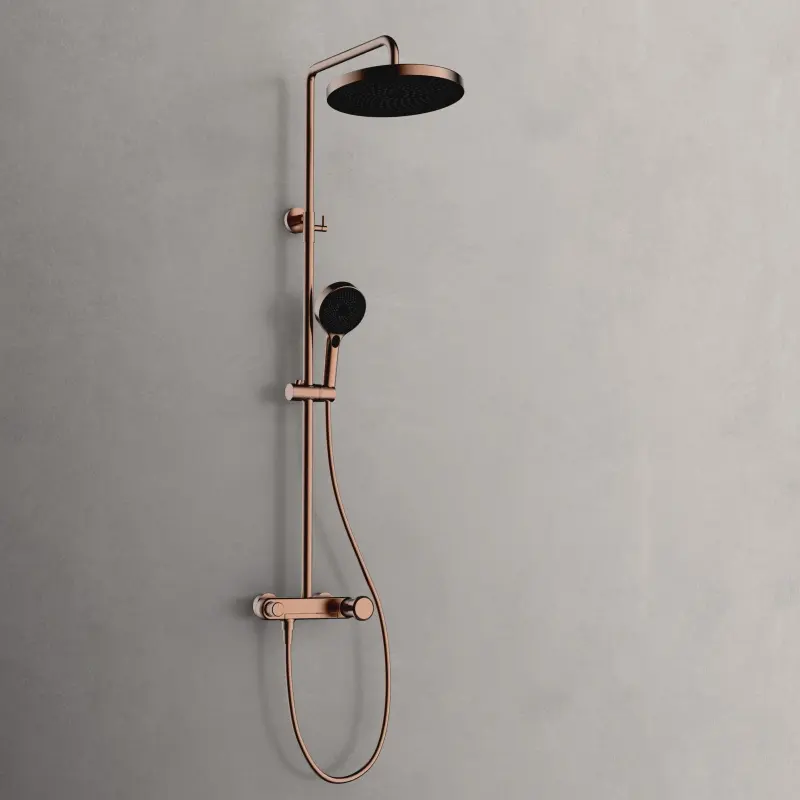
Müasir duş, istifadəyə yararlı mənşəyindən çox uzaqlaşaraq, müasir vanna otağı dizaynının müəyyəd edici mərkəzi elementinə çevrilmişdir. Bu gün ev sahibləri və dizaynerlər duş sahələri yaratmaqda estetik cəlbedicilik və praktik performansı eyni zamanda təmin edən çətinliklərlə üzləşirlər. Müasir duş bu tarazlığı, gözəl dizayn elementlərini irəli texnologiyalı mühəndislik, istifadəçi mərkəzli xüsusiyyətlər və gündəlik istifadəyə davamlı, lakin vizual gözəlliyini qoruyan möhkəm materiallarla birləşdirərək əldə edir. Bu iki ölçünün necə kəsişdiyini başa düşmək, ev sahiblərinin vanna otağı yeniləmələri və yeni tikinti layihələri ilə bağlı məlumatlı qərarlar qəbul etməsinə kömək edir.
Stil və funksionallığın effektiv birləşməsi mодаl шouреr həm vizual təsirə, həm də praktik ehtiyaclara cavab verən diqqətlə hazırlanmış dizayn qərarlarından irəli gəlir. Ənənəvi duş quraşdırmaları əsas təmizləmə funksiyalarına üstünlük verirdi, lakin müasir duş sistemləri çoxsaylı püskürmə nümunələrini, dəqiq temperatur idarəetməsini, suyun səmərəli istifadəsini təmin edən tədbirləri və korroziyaya davamlı materialları, həmçinin ümumi vanna otağı estetikasına uyğun gələn materialları birləşdirir. Ən uğurlu müasir duş dizaynları, idarəetmə elementlərinin intuisiya ilə istifadə edilməsindən başlayaraq, suyun məkanda axınına və bitişlərin toxunma keyfiyyətinə qədər hər bir toxunma nöqtəsində istifadəçi təcrübəsini nəzərə alaraq forma ilə funksiya arasındakı harmoniyanı əldə edir.
Müasir Duşun Arxasındakı Dizayn Fəlsəfəsi
Minimalist Estetika Maksimum Performansla Qovuşur
Bugünkü müasir duşun əsasında duran dizayn fəlsəfəsi təmiz xətlər və qarışıq olmayan vizual təqdimata diqqət yetirir, eyni zamanda mürəkkəb daxili mexanizmləri gizlədir. Bu minimal yanaşma su çöküntüləri və sabun qalıqları toplaya biləcək əlavə dekorativ elementləri aradan qaldırır və buna görə də texniki xidməti sadələşdirir, həmçinin spa kimi bir atmosfer yaradır. Müasir duş adətən həndəsi formalara, səviyyədə yerləşdirilmiş idarəetmə elementlərinə və ətrafdakı kafel və ya şüşə konstruksiyalarla pərələr arası keçid olmadan birləşməyə malikdir. Bu vizual sadəlik funksionallığı qurban etmir, əksinə, idarəetmə elementlərini intuisiya ilə istifadə ediləbilən etməklə və banyo zamanı vizual distraksiyaları azaltmaqla onu artırır.
Dizaynerlər bu balansı çoxməqsədli komponentlərin seçilməsi ilə əldə edirlər. Müasir duş sistemi həm əsas su verilmə sistemi, həm də heykəlsalma mərkəzi nöqtəsi kimi işləyən yağış şəklində duş başlığından istifadə edə bilər. Armaturun seçilmiş örtükləri ümumi dizayn dilinə töhfə verir və eyni zamanda barmaq izlərinə qarşı müqavimət və ya antimikrobiyal xüsusiyyətlər kimi praktik üstünlüklər təmin edir. Hər bir elementin diqqətlə yerləşdirilməsi müasir duşun müxtəlif istifadəçilərin boyuna və preferensiyalarına uyğunlaşmasını təmin edir və eyni zamanda müasir otaq dizaynını müəyyən edən sade və akıllı görünüşünü pozmadan bu uyğunlaşmanı təmin edir.
Davamlılıq və vizual cəlbedicilik üçün materialların seçilməsi
Material seçimi müasir duşun stil və uzunmüddətli funksionallıq birləşməsini necə effektiv həyata keçirdiyini fundamental şəkildə təsirləyir. Keyfiyyətli duş sistemlərinin əsasını mis konstruksiyası təşkil edir, çünki bu metal daimi su təsirinə qarşı korroziyaya davamlıdır və dəqiq frezalanmış klapan mexanizmləri üçün struktur bütövlüyü təmin edir. Mis komponentlərə tətbiq olunan səth örtükləri parlaq xromdan, fırçalanmış nikeldən, mat qara və qızılı qırmızıya qədər geniş çeşiddədir; hər biri altındakı metali qoruyarkən fərqli estetik keyfiyyətlər təqdim edir. Müasir duş sistemləri, damcıların qarşısını alan və minlərlə iş dövründə sabit su temperaturunu saxlayan keramik disk patron texnologiyasındakı irəliləyişlərdən faydalanır.
Şüşə örtüklər müasir duş konfiqurasiyasında başqa bir vacib material seçimi təmsil edir. Temperlənmiş təhlükəsizlik şüşəsi banyoları daha geniş hiss etdirmək üçün şəffaflıq təmin edir və eyni zamanda su püskürməsini effektiv şəkildə saxlayır. Mühafizə örtükləri ilə işlənmiş şüşə səthləri su ləkələrini minimuma endirir və təmizləmə tezliyini azaldır; bu, şəffaflıq estetikasını dəyişdirmədən praktik bir problemi həll edir. Müasir duş ətrafı üçün kafel seçimi artıq təbii daş və ya betonu təqlid edən böyük formatlı porselein kafellərə doğru meyllidir; bu, vizual marağı toxuma və naxışlarla təmin edir və davamlı baxım tələb edən qatran xətlərini minimuma endirir.
Məkan Konfiqurasiyası və İstifadəçi Təcrübəsi
Müasir duşun fiziki planlaşdırılması onun vizual görünüşünü və funksional effektivliyini birbaşa təsir edir. Minimal səviyyəli порoq ilə təchiz olunmuş daxil olma konfiqurasiyaları duş zonası ilə banyo otağının qalan hissəsi arasındakı pərələrən keçidləri yaradır və beləliklə, əlçatanlığı artırır, eyni zamanda açıq və müasir hiss verir. Müasir duşlar tez-tez gigiyenik məhsulların saxlanması üçün daxilə doğru çuxurlarla təchiz olunur; bu da təmiz xətləri pozan asılan kovşlar və ya künc rafları ehtiyacını aradan qaldırır. Bədən püskürtücülərinin, əl ilə idarə olunan su püskürtücülərinin və baş üstü armaturunun strategik yerləşdirilməsi müxtəlif duş alma preferensiyalarına uyğun gələn, lakin vizual birləşməni qoruyan çoxqatlı su verilmə sistemi yaradır.
Müasir duş üçün məkan planlaşdırılması yalnızca birbaşa püskürmə zonası ilə məhdudlaşmır, su idarəçiliyini də nəzərdə tutur. Duzgün meylli döşəmələr və mərkəzdə deyil, divarlarda yerləşdirilən xətti suların axdığı qovucular daha çox istifadə oluna bilən döşəmə sahəsi yaradarkən suyu effektiv şəkildə uzaqlaşdırır. Duş sahəsinin altındakı isidilmiş döşəmələr rahatlığı yalnız su axını ilə məhdudlaşdırmır, beləliklə funksional elementlərin ümumi təcrübəni necə artırması göstərilir. Beləliklə, müasir duş hər bir məkan qərarının estetik məqsədləri və praktik işləmə tələblərini gücləndirdiyi inteqrasiya olunmuş bir sistem kimi fəaliyyət göstərir.
Müasir Duşun İşləməsini Müəyyən edən Texniki Xüsusiyyətlər
İrəli Səviyyəli Qapaq Sistemləri və Temperatur Nəzarəti
Hər bir effektiv müasir duşun mərkəzində su axını və temperaturunu dəqiq tənzimləyən mürəkkəb bir klapan sistemi yer alır. Termostatik qarışdırma klapanları, digər armatur elementlərinin eyni zamanda su çəkməsi zamanı da quraşdırılmış su temperaturunu saxlayan təzyiq balanslaşdırma mexanizmlərinə nisbətən əhəmiyyətli bir irəliləyişdir. Bu texnologiya istifadəçilərin rahatlığını və təhlükəsizliyini pozan anidən baş verən temperatur dalğalanmalarını qarşısını alır; bu xüsusilə uşaqlar və ya yaşlı sakinləri olan evlərdə çox vacibdir. Termostatik idarəetmə ilə təchiz edilmiş müasir duşda istifadəçilər özünə ən uyğun temperaturu bir dəfə təyin edə bilər və hər istifadədə tam olaraq eyni ayarı yenidən seçə bilərlər.
Müasir duşlarda istifadəçilərə suyu ayrı-ayrı klapan nəzarəti tələb etmədən bir neçə çıxışa yönəltməyə imkan verən diverter sistemləri mövcuddur. Üç yollu diverter suyu yağış başlığına, əl ilə tutulan püskürməyə və bədən püskürmələrinə yönəldə bilər; istifadəçi birini seçə və ya eyni zamanda bir neçə çıxışı birləşdirə bilər. Keyfiyyətli müasir duş sistemləri bu diverterlərdə suyun səlis axınını təmin etmək və uzun xidmət müddəti ərzində sızıntılara mane olmaq üçün keramik disk texnologiyasından istifadə edir. Bu texniki komponentlərin inteqrasiyası bitmiş divarlarda aparılır ki, bu da müasir dizaynın xarakterik təmiz estetikasını qoruyur və eyni zamanda etibarlı performans təmin edir.
Təcrübəni zədələmədən suyun effektiv istifadəsi
Ekoloji şüur və resursların qorunması müasir duş dizaynının vacib hissələrinə çevrilmişdir; istehsalçılar su istehlakını azaldan, lakin təmin edilən püskürmə nümunələrini qoruyan texnologiyalar inkişaf etdirmişlər. Axın məhdudlaşdırıcıları və havalandırma sistemləri su axınlarına hava qataraq daha dolğun püskürmə nümunələri yaradır; bu, dəqiqədə istifadə olunan su miqdarını ənənəvi duş başlıqlarına nisbətən azaldaraq, eyni zamanda möhkəm və doyurucu hiss yaradır. Müasir duş, kommunal xidmətlərə görə xərcləri və ətraf mühitə təsiri azaldan sərt su səmərəliliyi standartlarını yerinə yetirərkən, lüks bir təcrübə təmin edə bilər.
Bəzi müasir duş sistemləri istifadəçilərin köpüklənməsi və ya şampunlanması zamanı axını müvəqqəti olaraq nazik bir axına endirən fasilə funksiyalarını daxil edirlər; bu, temperatur ayarlarını yenidən tənzimləmədən sadəcə bir düyməyə basmaqla tam təzyiqi bərpa edir. Bu xüsusiyyət həm suyun qənaətli istifadəsini, həm də praktik rahatlığı həll edir. Ağıllı müasir duş idarəetmə cihazları su istifadəsini izləyə bilir və evlərin istehlakını idarə etməsinə kömək etmək üçün geri əlaqə təmin edir; bunlar minimal estetikaya uyğun rəqəmsal ekranlarla inteqrasiya olunmuşdur və eyni zamanda funksional məlumatlar təqdim edir. Bu səmərəlilik tədbirləri müasir duşun istifadəçilərin gözlədiyi rahatlığı və performansı qurban etmədən müasir nəzərdə tutulan problemləri necə həll etdiyini nümayiş etdirir.
Sprey Nümunələrinin Müxtəlifliyi və Fərdiləşdirilməsi
Suyun çatdırılmasının fərdiləşdirilməsi qabiliyyəti funksional müasir duşun müəyyедedici xüsusiyyətidir. Çoxfunksiyalı duş başlıqları istifadəçilərə sıxılmış massaj püskürmələrindən, geniş yağış damcıları nümunəsindən və ya pulsasiya edən ardıcıllıqlardan seçim etməyə imkan verən döner kollar və ya düymə ilə idarə olunan mexanizmlər vasitəsilə bir neçə püskürmə nümunəsi təqdim edir. Bu çoxtərəflilik evdəki müxtəlif preferensiyalara uyğun gəlir və səhər tezliklə yumaqdan axşam rahatlığı üçün duş qəbul etmək kimi müxtəlif məqsədlər üçün xidmət göstərir. Müasir duş sistemləri, sabit üst yağış başlığını əl ilə idarə olunan vahidlə birləşdirə bilər; bu, hər ikisi öz püskürmə variantlarına malikdir və beləliklə, tam əhatə və çeviklik təmin edir.
Yuxarı səviyyəli müasir duş quraşdırmalarında bədən duşu konfiqurasiyaları, su axınlarını bədənin şaquli oxu boyunca strategik nöqtələrə yönəldərək dərin təsir yaradan təcrübələr yaradır. Bu sistemlər bütün çıxışlara eyni zamanda kifayət qədər təzyiq çatdırılmasını təmin etmək üçün diqqətlə hidravlik planlaşdırma tələb edir ki, bu da görünüşdə sadə olan dizayn təqdimatlarının arxasındakı texniki mürəkkəbliyi göstərir. mодаl шouреr bir neçə duş nümunəsini effektiv şəkildə inteqrasiya edən sistem, istifadəçilərin hansı çıxış kombinasiyasını aktivləşdirsə də, axınları tarazlaşdırmaq üçün daxili keçidlərin və təzyiqi kompensasiya edən mexanizmlərin dəqiq mühəndisliyi vasitəsilə bunu həyata keçirir.
Dizaynla estetik inteqrasiya
Örtük uyğunluğu və vizual bütövlük
Müasir duşun vizual uğuru, onun bitirilməsinin digər vanna otağı elementləri ilə necə uyğunlaşdığından əhəmiyyətli dərəcədə asılıdır. Qurğular, havlu çubuqları, işıq armaturu və duş komponentləri üzrə metal bitirmələrinin eyniliyi vizual vahidlik yaradır və bununla da məqsədyönlü dizayn yanaşmasını gücləndirir. Müasir duşda ağ kafel ilə ziddiyyət təşkil edən mat qara qurğular mövcud ola bilər ki, bu da cəsur müasir bir ifadə yaradır; ya da neytral rəng paletləri ilə daha subtil şəkildə birləşən sürtülmüş nikel bitirmələr. Bu bitirmə seçimi məkanın qavranılan temperaturuna təsir göstərir: sürtülmüş qızıl kimi isti metallar qonaqpərvər atmosfer yaradarkən, soyuq xromlar təmiz və yaxşı təmizlənmiş təsirlər yaradır.
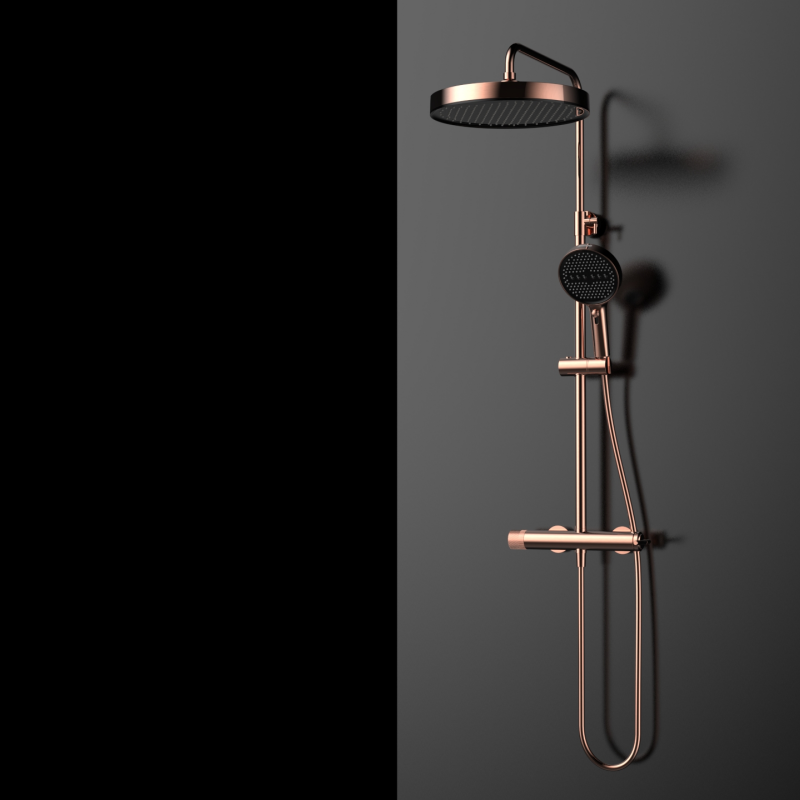
Uğurlu estetik inteqrasiya yalnız metal örtüklərin uyğunlaşdırılmasını deyil, həm də müasir duşun ətrafdakı materiallar və məkani sərhədlərlə necə əlaqəli olduğunu nəzərdə tutur. Şüşədən şəffaf qabarıqlar kafel naxışlarının şəffaf maneələr vasitəsilə vizual olaraq davam etməsinə imkan verir; bu da otaqların daha böyük görünməsini təmin edir və müasir duşu aydın müəyyən edilmiş bir zonaya çevirməyə kömək edir. Duş ətrafında kontrast fuga kafellərin həndəsi quruluşunu vurğulayaraq, ayrı-ayrı bəzədici elementlər əlavə etmədən vizual maraq yarada bilər. Beləliklə, müasir duş izolyasiya olunmuş bir armatur quraşdırılması kimi deyil, bütövlükdə harmonik bir dizayn kompozisiyasının bir hissəsi kimi funksiyon görür.
İşıqlandırma dizaynı və atmosferin yaradılması
Yanğın, müasir duş mühitində həm stilin, həm də funksionallığın necə özünü büruzə verdiyini əhəmiyyətli dərəcədə təsirləyir. Yağışlı şüşə səthlərində parıltı yaratmadan duş sahəsini işıqlandırmaq üçün yerləşdirilən daxil edilmiş tavan armaturları vacib iş işıqlandırmasını təmin edir və eyni zamanda ümumi banyo atmosferinə töhfə verir. Müasir duşda suya qarşı elektrik armaturlarından uzaqda, lakin yıkanma sahəsini kifayət qədər işıqlandıran işıqlandırma sistemlərindən istifadə olunur. əLAQƏ bəzi müasir quraşdırmalarda nişlər boyu və ya daxil edilmiş skamyaların altına LED lent işıqlandırması daxil edilir; bu, sakit vizual maraq yaradarkən, bıçaqlanma və ya dəri qulluğu məhsullarının tətbiqi kimi tapşırıqlar üçün görünənliyi artırır.
Rəng temperaturunun seçimi müasir duş məkanında ruh halını təsirləyir: daha isti tonlar rahatlaşdırıcı spa kimi mühit yaradır, daha soyuq temperaturlar isə səhər tezindən enerji verən oyandırma təcrübəsi təmin edir. Parlaqlığı tənzimlənə bilən işıqlandırma sistemləri istifadəçilərə gündüz vaxtına və məqsədə uyğun olaraq intensivliyi tənzimləməyə imkan verir və bu da müasir duşun funksional çoxtərəfliliyini yalnız su təchizatı ilə məhdudlaşdırmadan xeyli artırır. Bu işıqlandırma nəzərdə tutulmaları, periferik dizayn elementlərinin müasir duşu yalnız funksional qurğu deyil, həm də hazırlanmış bir təcrübə kimi ümumi effektivliyinə necə töhfə verdiyini göstərir.
Banyo planlaşdırmasına olan məkani əlaqə
Müasir duşun geniş otaq planlaşdırmasında yerləşdirilməsi və oriyentasiyası həm vizual təsirini, həm də praktik istifadə edilməsini təyin edir. Künc quraşdırmaları kiçik banyolarda məkanın effektiv istifadəsini maksimuma çatdırır, oysa niş konfiqurasiyaları böyük planlaşdırmalarda müəyyən edilmiş duş zonaları yaradır. Banyo girişinə qarşı yerləşdirilən müasir duş dərhal vizual fokus nöqtəsinə çevrilir; bu səbəbdən armaturun seçimi və bitirici materialların keyfiyyəti xüsusilə vacib olur. Əksinə, yan tərəfdə yerləşdirilən duşlar digər elementlərin — məsələn, avtonom vanna və ya diqqət çəkən vanitlərin — əsas vizual diqqət mərkəzi olmasını təmin edir.
Müasir duşun ətrafında dövriyyə nümunələri gündəlik funksionallığı təsirləyir; qapıların açılışına və rahat hərəkətə kifayət qədər boşluq təmin edilməsi praktik istismar üçün vacibdir. Duşun digər nəm sahələri — məsələn, tualet və vanitə ilə olan əlaqəsi — su təchizatı sistemində səmərəliliyi və məkanın ümumi axışını təsirləyir. Uğurlu banyo layihələrində müasir duş belə yerləşdirilir ki, səhər və axşam rutinləri zamanı məntiqli ardıcıllıqla hərəkət yaradılsın və eyni zamanda ümumi məkanda vizual balans və nisbətlər saxlanılsın. Bu planlaşdırma nəzərdə tutulmuş tədbirlər müasir duşun daha geniş kontekstdə effektiv işləməsini təmin edir və onu izolyasiya olunmuş bir element kimi mövcud olmaqdan qoruyur.
Ən yaxşı nəticə üçün quraşdırma nümayişləri
Su təchizatı infrastrukturu və su təzyiqi tələbləri
Müasir duşun performansı, onun işləməsini təmin edən kifayət qədər inkişaf etmiş su təchizatı infrastrukturuna əsaslanır. Su təzyiqi tələbləri sistemdəki çıxışların sayına və növünə görə dəyişir; bədən püskürdüyüsü konfiqurasiyaları və bir neçə eyni zamanda işləyən funksiyalar tək duş başlığı quraşdırılmalarına nisbətən daha yüksək axın sürətləri tələb edir. Müasir duşun texniki xüsusiyyətləri mövcud ev su təzyiqini nəzərə almalıdır; bəzən köhnə evlərdə və ya şəhər su təchizatı məhdudiyyətlərinə malik əmlaklarda optimal performans əldə etmək üçün təzyiq artırıcı nasoslar lazım ola bilər. Təchizat borularının düzgün ölçüsünün seçilməsi müasir duşun digər armatur elementlərindən axını almaqla təzyiqin sabit qalmasını təmin edir.
Qaynar su tutumu müasir duş sistemləri üçün, xüsusilə uzun müddətli istifadə və ya bir neçə eyni zamanda işləyən çıxışlar üçün nəzərdə tutulan sistemlər üçün başqa bir vacib infrastruktur nəzərdə tutulmasıdır. Tanksız su qızdırıcılar, məhdud tutumlu ənənəvi tanklı qızdırıcılara nisbətən daha yaxşı performans göstərən müasir duş sistemləri üçün davamlı qaynar su təchizatı təmin edir. Su qızdırma avadanlığının bərpa sürəti və temperatur artım qabiliyyəti planlaşdırılan müasir duş konfiqurasiyasının tələblərinə uyğun olmalıdır. Bu texniki tələblər müasir duşun görünən stil elementlərinin etibarlı funksionallığına imkan verən görünməyən infrastruktur investisiyalarından necə asılı olduğunu göstərir.
Su keçirməzliyi və nəm idarəetməsi
Doğru suya qarşı qorunma, struktur zərərlərinə və küfün yaranmasına səbəb olan nəm infiltrasiyasını qarşılamaqla, müasir duşların uzunmüddətli performansı üçün əsas təmin edir. Müasir suya qarşı qorunma sistemləri adətən damöörtüsü membranları və ya taxta membranlardan istifadə edir və bu membranlar keramik plitələrin quraşdırılmasından əvvəl sementli arxa lövhəyə tətbiq olunur. Müasir duşda divarlarla döşəmənin birləşdiyi və armatur milləri ilə duş başlığına aid deliklər kimi zəif keçid sahələrinə xüsusi diqqət yetirilməlidir. Suya qarşı qorunma yalnız duşun birbaşa yerləşdiyi sahəni deyil, həmçinin nəmin miqrasiyasından qorunması üçün qonşu divarları və döşəməni də əhatə edir.
Ventilyasiya sistemləri müasir duşun yaratdığı nəmliyi idarə etmək üçün su keçirməyən materiallarla birlikdə işləyir. Doğru ölçülü təmizləyici ventilyatorlar duşdan istifadə edilərkən və sonra nəmli havanı çıxarır, səthlərdə kondensasiyanı azaldır və quruma müddətini qısaldır. Müasir duş, müasir banyo dizaynının xarakterik sakit atmosferini qorumaq üçün səssiz işləyən ventilyasiya sistemlərindən faydalanır. Nəm sensorları ventilyatorun işini avtomatlaşdıra bilər və beləliklə, istifadəçinin müdaxiləsi tələb olunmadan kifayət qədər nəmin çıxarılmasını təmin edə bilər. Bu nəm idarəetmə strategiyaları müasir duş komponentlərinə və ətrafdakı bitişlərə edilən əhəmiyyətli investisiyanı qoruyur.
Peşəkar quraşdırma qarşı DIY yanaşmaları
Müasir duş sisteminin mürəkkəbliyi, düzgün işləməsini və uzunömürlülünü təmin etmək üçün peşəkar quraşdırılmasını tez-tez tələb edir. Lisenziyalı su təchizatı mütəxəssisləri termostatik klapanları düzgün quraşdırmaq, uyğun su təzyiqini təyin etmək və bir neçə çıxışı etibarlı işləyən inteqrasiya olunmuş sistemlərə birləşdirmək üçün lazım olan ixtisası malikdirlər. Müasir duş sisteminin quraşdırılması adətən su təchizatı mütəxəssisləri, kafel qoyanlar və şüşə quraşdırıcılar daxil olmaqla bir neçə sahənin koordinasiyasını tələb edir; bu prosesin ardıcıllığı və keyfiyyət nəzarəti ən yaxşı şəkildə təcrübəli müəssisələr tərəfindən idarə olunur. Mürəkkəb müasir duş sistemlərinin özünüz tərəfindən quraşdırılmasına cəhd etmək klapanların səhv dərinliyində quraşdırılmasına, yetərsiz sukeçirməzliyə və ya təzyiq balanssızlığına səbəb ola bilər ki, bu da sistemin performansını zəiflədir.
Lakin bəzi müasir duş yeniləmələri, xüsusilə duş başlığı, əl ilə istifadə olunan qurğular və ya su təchizatı sistemini dəyişdirmədən quraşdırılan dekorativ bəzək hissələrinin dəyişdirilməsi kimi işlər, bacarıqlı ev sahibləri tərəfindən yerinə yetirilə bilər. Peşəkar ixtisas tələb edən komponentlər ilə özünüz təmir edə biləcəyiniz komponentlər arasındakı fərqi başa düşmək, ev sahiblərinin funksional səmərəliliyi və estetik görünüşü qorumaq üçün kritik elementlərin düzgün quraşdırılmasını təmin edərkən, eyni zamanda xərcləri azaltmağa imkan verən qərarlar qəbul etməsinə kömək edir. Müasir duş, quraşdırılmasının peşəkar şəkildə aparılmasını tələb edən əhəmiyyətli bir investisiyadır; bu, qurğunun xidmət müddəti ərzində həm funksional performansını, həm də estetik görünüşünü qoruyur.
Texniki idarəetmə və uzun müddətli işləmə
Qeyri-müntəzəm Təmizlik və Qarşısını Almaq Üçün Tədbirlər
Müasir duşun birləşdirilmiş stilini və funksionallığını qorumaq üçün mineral çöküntülərin, sabun köpüyü və küfün birikməsini qarşısını alan daimi təmizlik rutinləri təyin etmək lazımdır. Şüşə səthlərdə gündəlik olaraq süngək istifadəsi suyun qalmasını və sonradan daha intensiv təmizlik tələb edən ləkələrin əmələ gəlməsini maneə törədir. Müasir duş pH-neytral təmizləyicilərlə həftəlik təmizlikdən faydalanır; bu təmizləyicilər qurğuların örtük və kərpicdən zərər görmədən qalıqları aradan qaldırır. Drenaj qapaqları və qapı rayları ətrafındakı sahələrə xüsusi diqqət yetirilməsi su axınının və ya qapıların işləməsinin pozulmasına səbəb ola biləcək çirkabın yığılmasını qarşısını alır.
Qabağarcıq təmiri müasir duş komponentlərinin xidmət müddətini uzadır və onların estetik cəlbediciliyini qoruyur. Qatran xətlərinin dövri yoxlanılması suyun infiltrasiyası daha geniş miqyaslı zərərlərə səbəb olmazdan əvvəl təmir tələb edən çatları erkən aşkar etməyə imkan verir. Metal armaturu olan müasir duş üçün bəzən armatura xüsusi parlaqlaşdırıcı ya da vazelinin tətbiqi bitişləri qoruyur və parlaqlığı artırır. Aeratorların və axın məhdudlayıcılarının yoxlanılması və təmizlənməsi sabit püskürmə nümunələrini təmin edir və mineralların birikməsinin su təzyiqini azaltmasının qarşısını alır. Bu rutin təmir tədbirləri həm vizual cəlbediciliyi, həm də müasir duşun effektivliyini təyin edən funksional performansı qoruyur.
Tez-tez qarşılaşılan funksional problemlərin həlli
Keyfiyyətli quruluşa baxmayaraq, müasir duş sistemlərində optimal performansı saxlamaq üçün diqqət tələb edən işləmə problemləri yarana bilər. Temperatur dalğalanmaları tez-tez termostatik patronlar və ya təzyiq balanslaşdırma mexanizmlərində problem olduğunu göstərir və onların əvəzlənməsi tələb olunur. Azalmış su axını ilə işləyən müasir duş sistemlərində mineralların birikməsini aradan qaldırmaq üçün duş başlığının təmizlənməsi və ya axın məhdudlayıcılarının tənzimlənməsi lazım ola bilər. Sifon borularından sızıntı adətən sıradan çıxmış sıxlıq burqularından irəli gəlir; bu burqular tamamilə yeni sifon quraşdırılmasına ehtiyac olmadan əvəz edilə bilər ki, bu da mövcud müasir duş sisteminin konfiqurasiyasını qoruyaraq düzgün işləməni bərpa edir.
Şüşə örtüklərdəki qapı avadanlıqları düzgün tənzimlənmə və səlis işləməni saxlamaq üçün dövri tənzimlənmə tələb edir. Çərçivəsiz şüşədən hazırlanmış müasir duşlar xüsusilə suya qarşı tam bağlanmanı təmin etmək üçün dəqiq oynaqların və tutucuların tənzimlənməsindən asılıdır. Qatranla bərpa və yenidən möhürlənmə struktur bütövlüyünü zədələyən və küf artımına şərait yaradan su infiltrasiyasını qarşısını alır. Bu funksional problemlərin operativ həll edilməsi kiçik problemlərin böyük təmir işlərinə çevrilməsinin qarşısını alır və yaxşı baxılmış müasir duş quraşdırmasının ləkəsiz görünüşünü saxlayır.
Komponentlərin əvəz edilməsi və sistemlərin yenilənməsi
Keyfiyyətli müasir duş sistemlərinin modullu dizaynı komponentlərin tam yenidən quraşdırılmasızı əvəz etməyə imkan verir. Duş başlığı, əl ilə istifadə olunan vahidlər və bəzək lövhələri estetikanı təzələmək və ya yeni texnologiyaları daxil etmək üçün yenilənə bilər, lakin mövcud klapan korpusları və su təchizatı quraşdırması saxlanılır. Standart qoşulmalarla hazırlanmış müasir duş, istehsalçının xüsusi komponentlərini tələb edən mülkiyyət sistemlərindən daha asan gələcək yeniləmələrə imkan verir. Bu yenilənə bilənlik müasir duş quraşdırmasının effektiv ömrünü uzadır və tam əvəzlənmə əvəzinə addım-addım yaxşılaşdırmalara imkan verir.
Texnologiya inteqrasiyası, rəqəmsal idarəetmə, proqramlaşdırıla bilən temperatur öncədən təyin edilmiş parametrləri və su istifadəsi izləmə kimi xüsusiyyətlərin artan dərəcədə mövcud olduğu müasir duş üçün yaranan bir yenilənmə yolu kimi çıxış edir. Mövcud müasir duş quraşdırmalarına bu xüsusiyyətləri əlavə etməyə imkan verən yenidən qurulma sistemləri standart klapanlarla əlaqə quran idarəetmə panelləri vasitəsilə işləyir. Ağıllı ev inteqrasiyası səs ilə idarəetmə və uzaqdan idarəetmə imkanı təmin edir ki, bu da rahatlığı artırır və müasir duşun təmiz estetik görünüşünü saxlayır. Bu yenilənmə imkanları müasir duşun xidmət müddəti ərzində inkişaf edən texnologiya və istifadəçilərin gözləntiləri ilə uyğunluğunu təmin edir.
Tez-tez verilən suallar
Müasir duşu ənənəvi modellərdən nə fərqləndirir?
Müasir duş, təmiz xətlər və gizli mexanizmlərlə fərqlənən minimalizm üslubunda dizayn estetikası ilə yanaşı, termostatik temperatur nəzarəti, çoxsaylı püskürmə nümunələri və suyu qənaət edən texnologiyalar kimi irəli səviyyəli funksiyalarla özünü göstərir. Əsas istifadəyə yönəldilmiş klassik duşlardan fərqli olaraq, müasir duş mürəkkəb klapan sistemlərini, korroziyaya davamlı örtüklərlə bürünmüş mis konstruksiyalı davamlı materialları və spa təsiri yaradan diqqətli məkan planlaşdırmasını birləşdirir. Müasir duş adətən şüşədən hazırlanmış çərçivəsiz örtüklər, səthə sıxışdırılmış idarəetmə elementləri və ətrafdakı vanna otağı dizaynı ilə pərələşməmiş inteqrasiya imkanı təmin edir; eyni zamanda dəqiq temperatur idarəsi və müxtəlif istifadəçi preferensiyalarına uyğunlaşdırıla bilən su verilməsi seçimlərini təklif edərək tamamilə harmonik vizual təqdimata nail olur.
Effektiv müasir duş neçə litr su istifadə edir?
Effektiv müasir duşlar adətən standart duş başlıqları üçün dəqiqədə 1,5–2,0 gallon (5,7–7,6 litr) su istehlak edir; bu, dəqiqədə 3,5–5 gallon (13,2–18,9 litr) istehlak edən köhnə modellərdən əhəmiyyətli dərəcədə azdır. Bu azalma, su axını ilə hava qarışımını təmin edən axın məhdudlaşdırıcıları və aerasiya texnologiyası vasitəsilə, ümumi həcmi azaldaraq, eyni zamanda doyurucu püskürmə nümunələrini saxlamaqla əldə olunur. Bədən püskürmələri və yağış başlıqları kimi çoxsaylı çıxışları olan müasir duşlar, bütün funksiyalar eyni zamanda işlədikdə daha çox su istehlak edir; lakin ayrı-ayrı çıxışlar hələ də səmərəlilik standartlarına cavab verir. İlerlemiş müasir duş sistemlərinə istifadəçilərin su istehlakını daha da azaltmasına kömək edən dayandırma funksiyaları və taymerlər daxil ola bilər; bəzi evlər gələn illərdə ənənəvi duş istifadəsinə nisbətən minlərlə gallon (minlərlə litr) su qənaət edə bilər, lakin müasir armaturun təmin etdiyi rahatlıq və performans saxlanılır.
Müasir duş köhnə evə quraşdırıla bilərmi?
Müasir duş sistemi mütləq köhnə evlərdə də quraşdırıla bilər, lakin layihənin optimal işləməsini təmin etmək üçün infrastrukturun yenilənməsi tələb oluna bilər. Çoxfunksiyalı sistemlər üçün su təzyiqi kifayət qədər yüksək olmadıqda mövcud su təchizatı sistemləri əvəz edilməli və ya tamamlanmalı, həmçinin köhnə su borusu xətləri termostatik qarışdırıcılar və çoxsaylı çıxışlar üçün uyğunlaşdırılmalıdır. Qədim üslublu binalarda müasir duş sisteminin quraşdırılması tez-tez orijinal tikinti standartlarından artıq suya davamlılıq tədbirlərinin tətbiqi tələb edir ki, ətrafdakı strukturların nəm zərərindən qorunması təmin olunsun. Rəqəmsal idarəetmə sistemləri və ya isidilmiş döşəmə kimi xüsusiyyətlər üçün elektrik işləri aparılmalıdır. Bu məhdudiyyətlərə baxmayaraq, müasir duş sistemləri yenidənqurma layihələrinə yaxşı uyğunlaşır; təcrübəli müəssisələr müasir armaturu mövcud sahələrə inteqrasiya edə bilər, digər vanna otağı sahələrində memarlıq xüsusiyyətlərini qorumuş və yenilənmiş su təchizatı infrastrukturunun uzunmüddətli etibarlı işləməsini təmin etmiş olar.
Modern duşun performansını saxlamaq üçün hansı təmir işləri aparılmalıdır?
Müasir duşun qorunması üçün şüşə səthlərində su ləkələrini qarşısını almaq məqsədilə gündəlik olaraq silici istifadə etmək, sabun qalıqlarını çıxarmaq və örtük səthlərinə zərər verməmək üçün həftəlik olaraq pH-neytral məhsullarla təmizləmək, eləcə də duş başlığına təsir edən mineral çöküntüləri aradan qaldırmaq məqsədilə dövri olaraq əsaslı təmizləmə aparmaq lazımdır. Müasir duşun qorunması üçün qrup xətlərinin çatlamalarını aşkar etmək və təmir tələb edən hallarda uyğun tədbirlər görmək məqsədilə kvartal dövrlərlə qrup xətlərinin yoxlanılması, eləcə də sızıntı və ya temperatur nisbətində qeyri-sabitliklərə səbəb ola biləcək aşınmaları müəyyən etmək üçün klapan patronları və möhürlərin illik yoxlanılması faydalıdır. Qapı armaturu düzgün uyğunluğu saxlamaq üçün lazım olduqda tənzimlənməlidir və şüşənin qoruyucu örtükləri suyun sərtliyindən asılı olaraq hər neçə il dəfə yenidən tətbiq edilməlidir. Daxili klapan komponentlərinin düzgün işləməsini təmin etmək və su keçirməyən membranların bütövlüyünü qorumaq üçün bir neçə ildən bir peşəkar xidmət göstərilməsi vacibdir; bu, müasir duş sisteminin gözlənilən xidmət müddəti boyu həm estetik cəhətdən cəlbedici, həm də funksional cəhətdən etibarlı olmasını təmin edir.